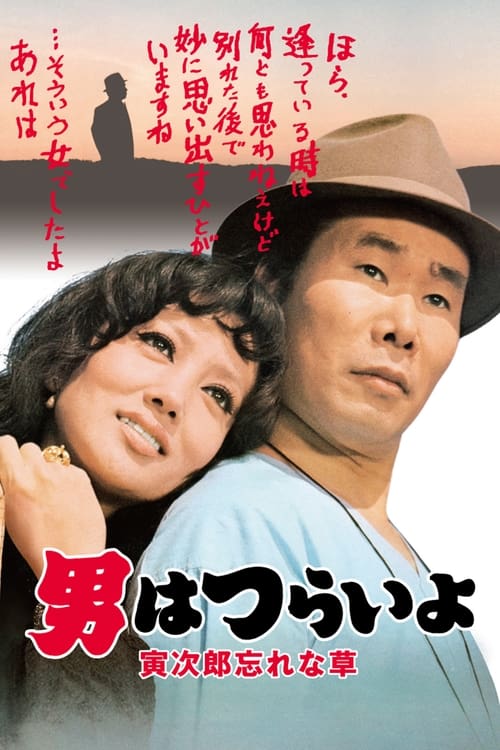
Tora-san's Forget Me Not
1973
No user ratings available yet
Representation score: 1.2 out of 10
Representation Score
Limited
1976
Director
Yoji Yamada
Runtime
109 minutes
Average Rating
No ratings yetNew Showbiz Analysis
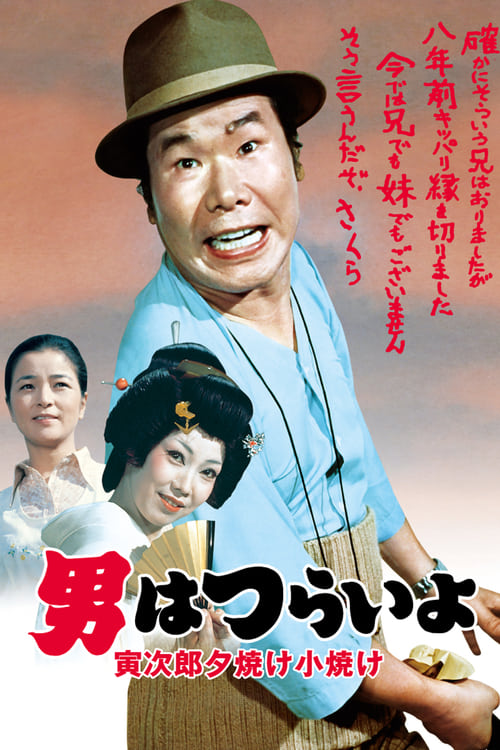
Tora-san's Sunrise and Sunset is a culturally specific, traditionalist work that prioritizes historical and social authenticity. It focuses on the dignity of the working class rather than contemporary identity politics. The film excels at capturing the nuances of communal life and the tension between tradition and modernity. It serves as a humanist lament for a disappearing way of life in the face of urban expansion. However, the narrative lacks diverse representations. It adheres to strict straight-centered and traditional gender roles, offering little representation for LGBTQ+ identities or individuals with disabilities.
Category Breakdown
The film follows traditional structures that assume everyone is straight or cisgender. The plot centers on the protagonist's unrequited romantic feelings for a 'Madonna' figure, following conventional courtship patterns.
Female characters often play roles defined by traditional grace or domestic stability. While the bond between Tora-san and Sakura adds emotional depth, it reinforces established family hierarchies.
The cast is ethnically uniform, focusing on the Japanese working class. This reflects the film's specific setting in Tokyo's Shitamachi district.
The story offers a nuanced critique of rapid modernization. It emphasizes nostalgia for communal, localized values over the impersonal nature of modern industrial society.
There are no prominent depictions of physical, sensory, or neurodivergent disabilities within the main character arcs.
Present on Screen
Limited or Absent
Official Synopsis
Tora-san arrives in Shibamata on Mitsuo's first day of school only to find that on his account, Mitsuo was embarrassed. After a fight with his family, he goes to a bar to drink, then brings home a surly old man with a sad story, whose identity will surprise everyone. Later, Tora meets Botan, a geisha.
1973
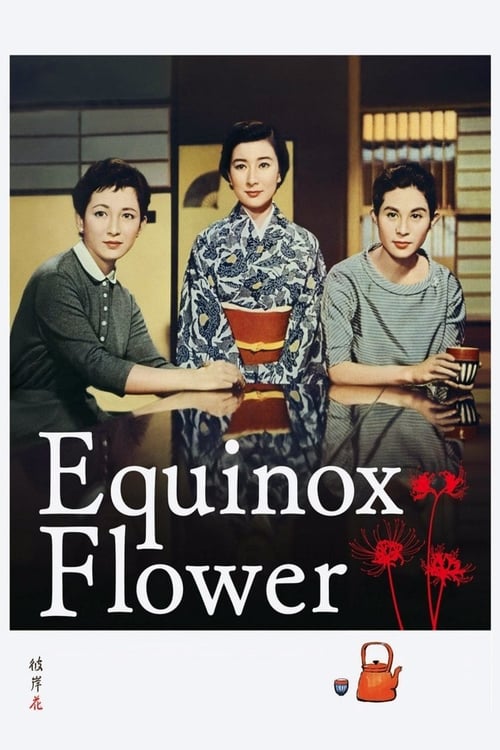
1958
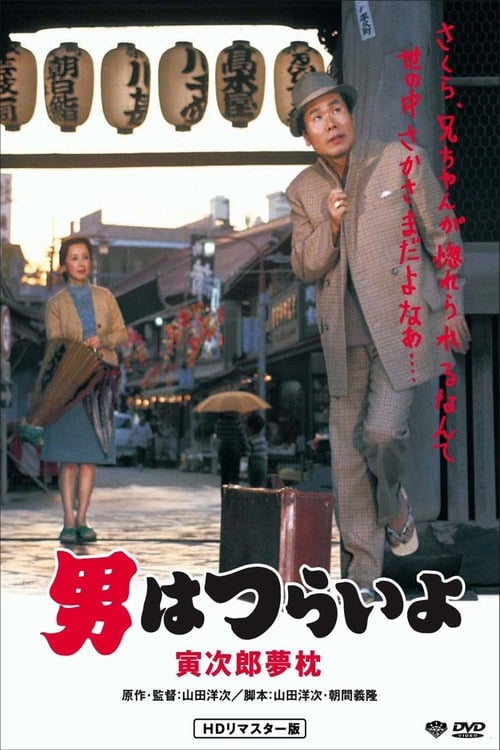
1972

1960
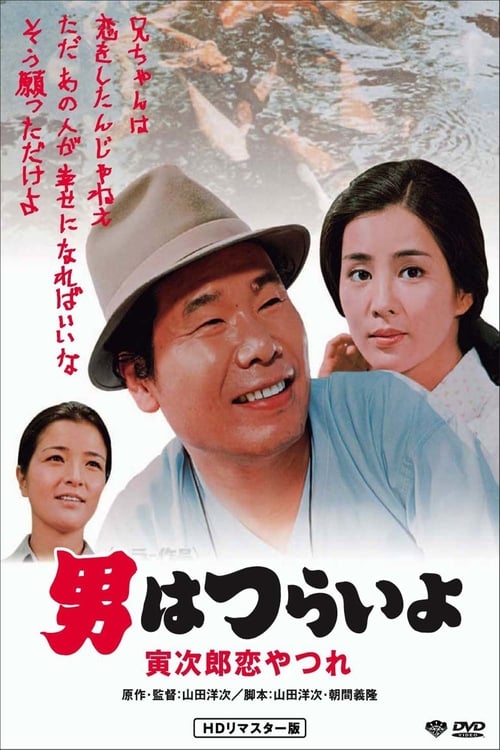
1974
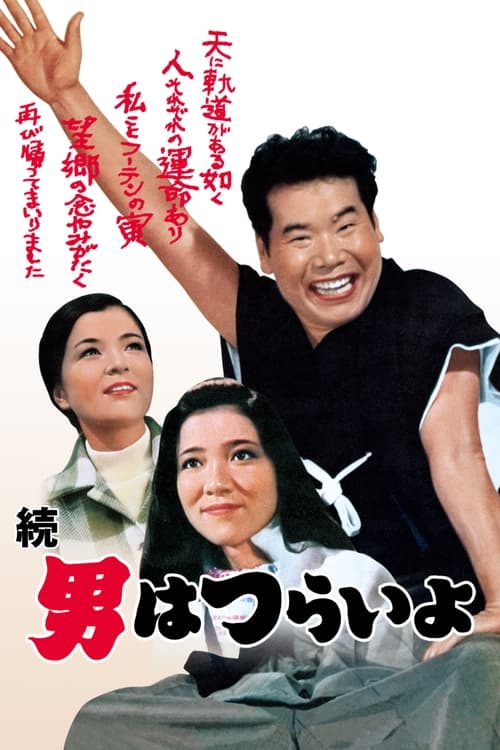
1969
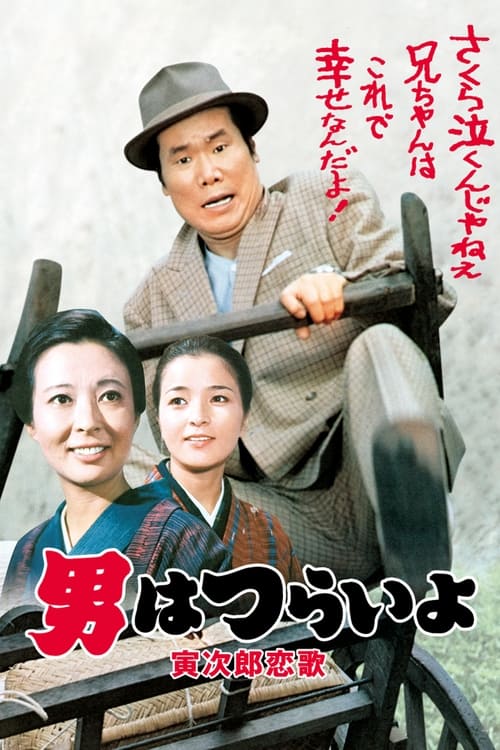
1971
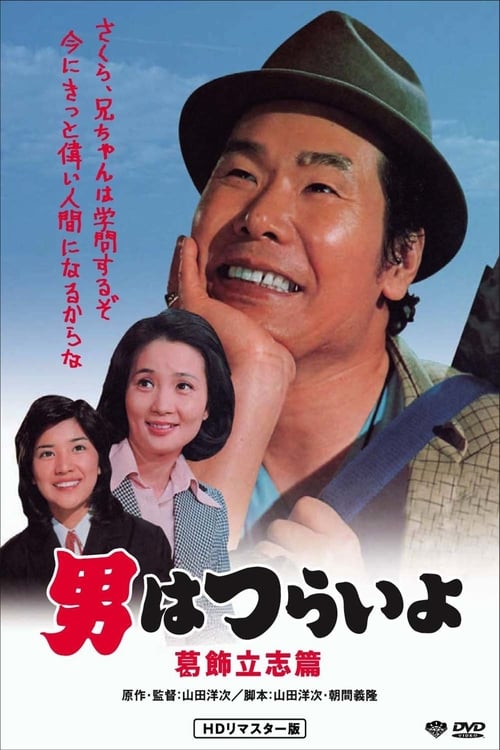
1975
No reviews yet. Be the first to share your thoughts on this movie!
Use the rating form above to leave a star rating and optional review.