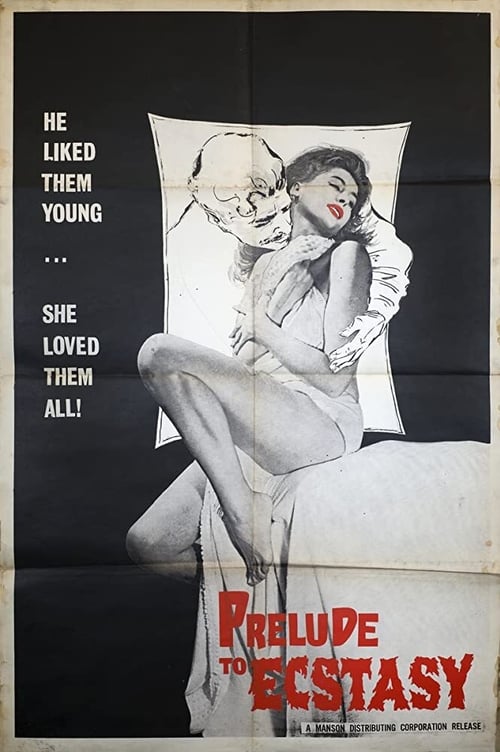
Preludes to Ecstasy
1961
No user ratings available yet
Representation score: 3.4 out of 10
Representation Score
Limited
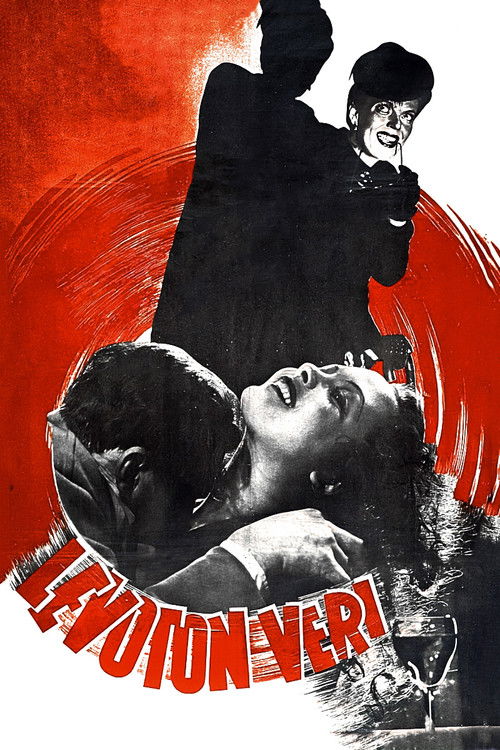
1946
Director
Teuvo Tulio
Runtime
91 minutes
Average Rating
No ratings yetNew Showbiz Analysis
Levoton veri is a mid-century melodrama that centers on the disintegration of the nuclear family. While it lacks modern multi-layered breadth, it offers a nuanced character study through its central protagonist. The film's strength lies in its psychological depth regarding sensory loss and the subversion of the 'passive victim' cliché. However, it remains limited by the demographic homogeneity of its era and a strictly straight-centered framework. Ultimately, the film provides a complex look at domestic instability and the reclamation of ability to act through physical disability, even within a traditional social structure.
Category Breakdown
The film focuses solely on heterosexual relationships and marriage, with no representation of LGBTQ+ identities or queer subtext.
Sylvi drives the emotional stakes, though her initial role is tied to her status as a victim. She later breaks passive stereotypes by using her sight to monitor her husband and sister.
The setting and cast reflect the demographic homogeneity of mid-century Finland, with no representation of different racial or ethnic backgrounds.
The story portrays the traditional family unit as a site of corruption and betrayal, exploring themes of intense subjective morality and emotional fatalism.
Blindness serves as a primary narrative engine rather than a mere device for pity. The protagonist uses her regained sight and dark glasses to navigate social investigation.
Present on Screen
Limited or Absent
Official Synopsis
Sylvi's child is run over by a bus, prompting her to drink poison. She goes blind in the process, causing her husband to lust after her much younger sister. After undergoing a dangerous operation to regain her sight, she hides her repaired vision behind dark eyeglasses, so she can spy on her sister and husband as they carry on their affair.
1961
1943

1948

1950

1935

1945
1928

1927
No reviews yet. Be the first to share your thoughts on this movie!
Use the rating form above to leave a star rating and optional review.