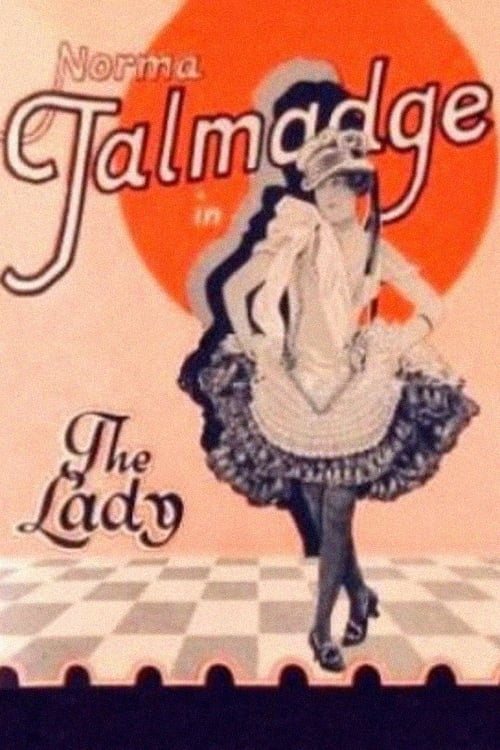
The Lady
1925
No user ratings available yet
Diversity score: 2.3 out of 10

1950
ApprovedDirector
Jean Negulesco
Runtime
94 minutes
Average Rating
No ratings yetSynopsis
It's 1875 and a young street urchin wants to see Queen Victoria...
Overall Score
Limited
Category Breakdown
LGBTQ+ Representation
The film contains no LGBTQ+ characters or non-heteronormative identities. The story focuses exclusively on the platonic and maternal bonds between the child and the female lead.
Gender Representation
A female lead provides some agency within a restrictive Victorian framework. However, the film relies on traditional emotional archetypes without subverting established gender hierarchies.
Racial & Ethnic Diversity
The cast is predominantly homogeneous, reflecting the production standards of 1950. It lacks racial diversity and does not feature non-white protagonists or race-bent casting.
Religious & Cultural Diversity
The narrative offers a nuanced look at socioeconomic struggle and the hardships of the working class. It critiques wealth disparity through the lens of individual resilience.
Disability Representation
There are no prominent depictions of physical or neurodivergent disabilities. Character struggles are defined by socioeconomic status rather than medical or sensory conditions.
Strengths
Areas for Improvement
AI Analysis
The Mudlark is a traditional period drama that prioritizes class-based struggle over identity politics. While it provides a meaningful portrayal of the impoverished working class, it lacks intersectional complexity. The film operates within the conventional storytelling parameters of its era. It focuses on emotional realism and the human condition rather than disrupting systemic power dynamics or social norms. Ultimately, the production reflects the Anglo-centric and homogeneous social landscape of 19th-century London without attempting to introduce racial or sexual diversity.
1925
1943
1957

1925
1954
1926
1949

1917

1994

1958
1948
1914
No reviews yet. Be the first to share your thoughts on this movie!
Use the rating form above to leave a star rating and optional review.