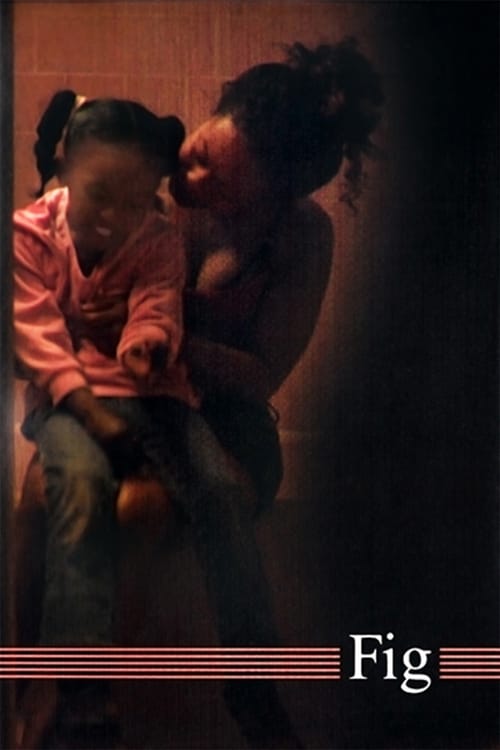
Fig
2011
No user ratings available yet
Representation score: 6.3 out of 10

Representation Score
Limited
2009
Director
Ryan Coogler
Runtime
6 minutes
Average Rating
No ratings yetNew Showbiz Analysis
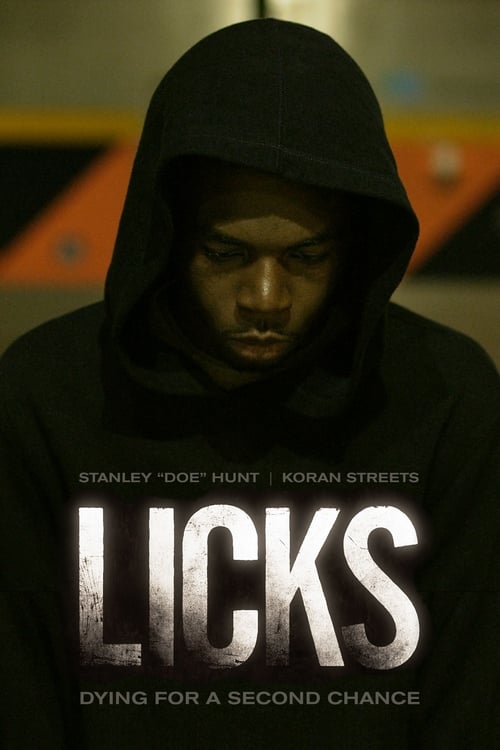
Locks is a study of how identity and environment interact to shape individual roles in the story. By focusing on the lives of Black youth in Oakland, Ryan Coogler challenges the typical portrayal of urban settings as mere backdrops for violence. The film's greatest strength lies in its authentic racial representation and its refusal to cater to a dominant culture. It gives significant influence to characters of color, allowing their community connections to drive the narrative structure. However, the film adheres to traditional gender norms. The emphasis on masculine codes of conduct and male-driven plot points leaves limited space for female involvement or diverse gender expressions.
Category Breakdown
The film focuses on the interpersonal dynamics of its central male protagonists. There is no presence of LGBTQ+ identities or narratives that question the assumption that everyone is straight or cisgender.
The narrative is heavily centered around masculine codes of conduct and male camaraderie. Female characters and non-traditional gender expressions remain largely peripheral to the main storyline.
The film excels in its commitment to authentic racial representation through an all-Black cast. It avoids the perspective that treats Black characters as secondary to white characters, allowing their internal struggles to drive the story forward.
The story explores the complexities of survival within economically disadvantaged communities. It portrays criminal activity as a result of broader societal limitations rather than personal morality.
Disability does not play a central role in the narrative or character development.
Present on Screen
Limited or Absent
Official Synopsis
A young man in Oakland, California wakes with a heavy heart and decides to take a walk through the neighborhood to the local barbershop.
2011
2017
2013

2008
2014

2016
2012
2014
No reviews yet. Be the first to share your thoughts on this movie!
Use the rating form above to leave a star rating and optional review.