Lucky
2011
No user ratings available yet
Representation score: 6.0 out of 10
Representation Score
Fair
2003
PGDirector
David Hickson
Runtime
114 minutes
Average Rating
No ratings yetNew Showbiz Analysis
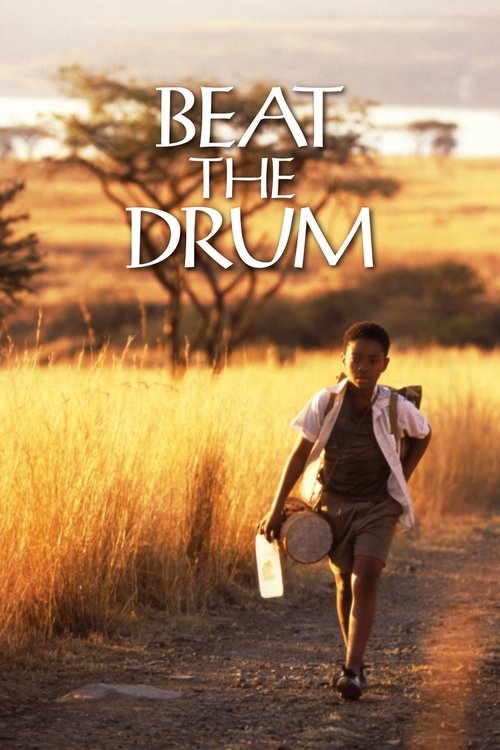
Beat the Drum provides a meaningful disruption of conventional cinematic norms by focusing on an African-centric perspective. The narrative emphasizes the lived experience of a Zulu protagonist navigating the complexities of migration and identity. While the film excels in showcasing ethnic specificity and cultural ability to act, it falls short in representing LGBTQ+ identities and disability. The story remains within traditional dramatic bounds regarding gender and lacks diverse representation in these areas. Ultimately, the film's strength lies in its ability to challenge Western-centric views through its exploration of indigenous heritage and the tension between tradition and modernity.
Category Breakdown
The story focuses on traditional family bonds involving a grandmother, uncle, and father. There are no explicit mentions of LGBTQ+ characters or non-straight relationships.
Musa, a young boy, drives the plot through a traditional hero's journey. The grandmother plays a crucial role as a matriarchal figure supporting his mission to help his family.
The film centers on a Zulu protagonist in KwaZulu Natal, offering a non-Western perspective. It uses a tribal drum as a symbol to explore indigenous heritage and the impact of urban migration.
The story explores the conflict between traditional village life and modern urbanization. It suggests that young people can have insights that older generations might miss.
There is no mention of characters dealing with physical, neurodivergent, or mental health conditions.
Present on Screen
Limited or Absent
Official Synopsis
Young Musa is orphaned after a mysterious illness strikes his village in KwaZulu Natal. To help his grandmother, Musa sets out for Johannesburg with his father's last gift, a tribal drum, in search of work and his uncle. The journey confronts him with the stark realities of urban life, but his indomitable spirit never wavers; he returns with a truth and understanding his elders have failed to grasp.
2011
2010
2011

1988
1995

2012
1999
1998
No reviews yet. Be the first to share your thoughts on this movie!
Use the rating form above to leave a star rating and optional review.