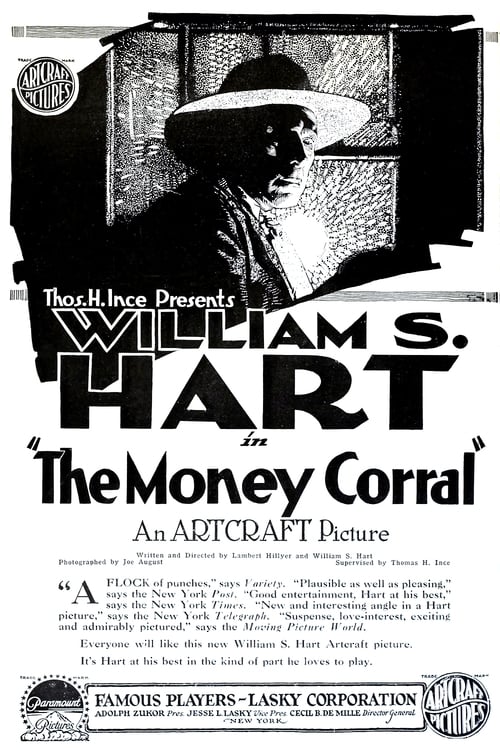
The Money Corral
1919
No user ratings available yet
Diversity score: 1.9 out of 10
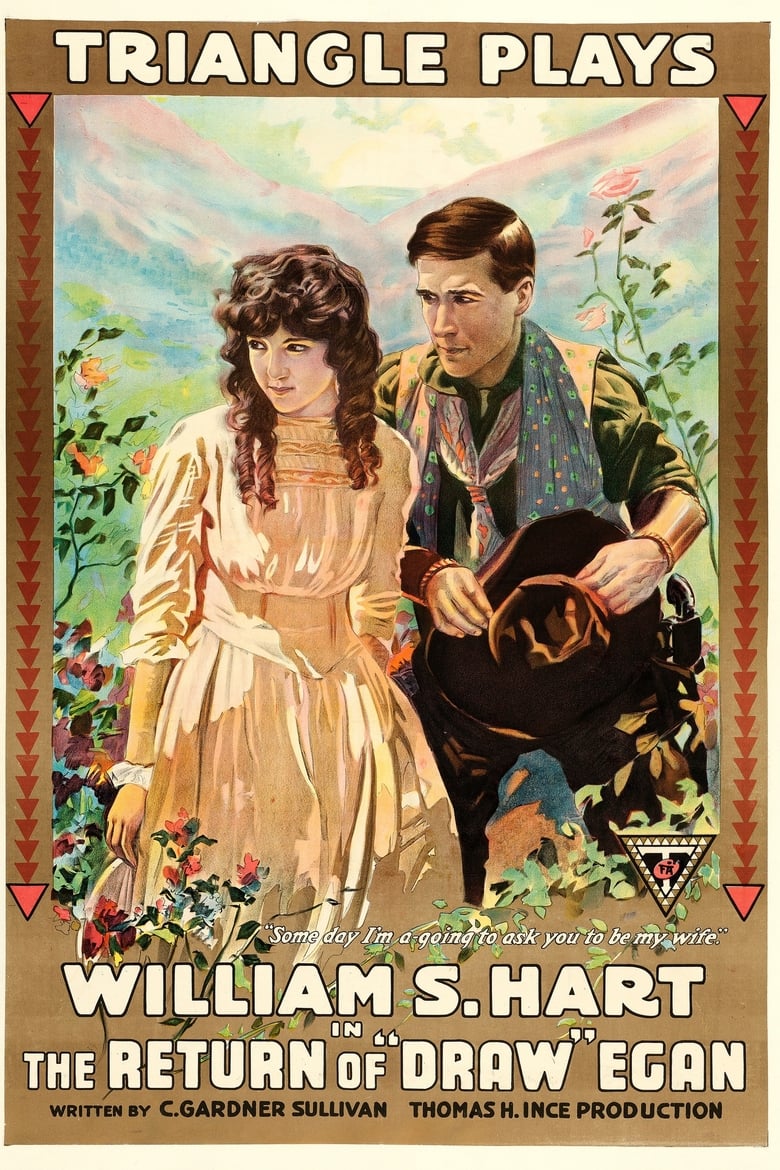
1916
Director
William S. Hart
Runtime
52 minutes
Average Rating
No ratings yetSynopsis
A small town marshal’s secret past as an outlaw comes back to haunt him when an old associate shows up and threatens to expose his former dark deeds.
Overall Score
Limited
Category Breakdown
LGBTQ+ Representation
The film follows a conventional heteronormative structure. There is no evidence of non-cisnormative gender identities or same-sex intimacy.
Gender Representation
The film utilizes traditional gender hierarchies. The female lead functions as a moral catalyst to domesticate and reform the male protagonist.
Racial & Ethnic Diversity
The cast and setting reflect a homogeneous depiction of frontier life. The narrative focuses on Anglo-Saxon characters as the primary drivers of the story.
Religious & Cultural Diversity
The story reinforces traditional Western values like social stability and community integration. It prioritizes individual moral reform over systemic critique.
Disability Representation
There are no prominent depictions of physical or neurodivergent disabilities. Characters are defined by socioeconomic roles rather than disability.
Strengths
Areas for Improvement
AI Analysis
The Return of Draw Egan is a foundational Western that prioritizes traditional genre archetypes and moral redemption. It functions as a reinforcement of established social hierarchies rather than a subversion of them. The film lacks demographic breadth, focusing almost exclusively on Anglo-Saxon characters and heteronormative social structures. This reflects the historical constraints of the 1916 Western genre. While the protagonist undergoes a significant moral arc, the narrative serves to uphold communal stability and traditional domesticity rather than challenging existing social or gender norms.
No reviews yet. Be the first to share your thoughts on this movie!
Use the rating form above to leave a star rating and optional review.