The King of Kings
1927
No user ratings available yet
Representation score: 0.2 out of 10
Representation Score
Minimal
1923
PassedDirector
Cecil B. DeMille
Runtime
136 minutes
Average Rating
No ratings yetNew Showbiz Analysis
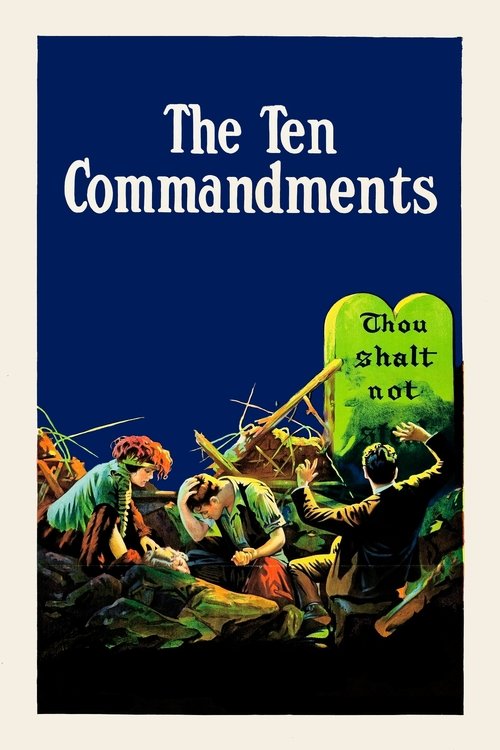
The film operates as a traditional epic that reinforces established religious and patriarchal hierarchies. Its structure emphasizes divine mandate and moral absolutes over diverse perspectives. While the dual-timeline approach provides historical and modern settings, both segments uphold conventional Western values. The narrative focuses on reinforcing social and religious authority rather than exploring underrepresented identities. Ultimately, the work serves as a cornerstone for traditional moral structures, offering little room for challenging established social norms.
Category Breakdown
The film adheres to a strictly heterosexual and cisgender perspective. It does not include any representations of LGBTQ+ identities or same-sex relationships.
Male characters such as Moses and the modern-day brothers dominate the narrative. Female characters mainly act as catalysts for male-driven conflicts rather than independent drivers of the plot.
The film reflects the racial hierarchies of the 1920s studio system. It depicts Hebrew and Egyptian classes but does not challenge the era's dominant racial norms.
The story upholds a strict religious morality centered on divine authority. It presents a clear distinction between divine law and pagan lawlessness, rejecting moral relativism.
There are no prominent depictions of physical or neurodivergent disabilities used as central character traits or plot devices.
Present on Screen
Limited or Absent
Official Synopsis
The first part tells the story of Moses leading the Jews from Egypt to the Promised Land, his receipt of the tablets and the worship of the golden calf. The second part shows the efficacy of the commandments in modern life through a story set in San Francisco. Two brothers, rivals for the love of Mary, also come into conflict when John discovers Dan used shoddy materials to construct a cathedral.
1927
1955
1932

1944
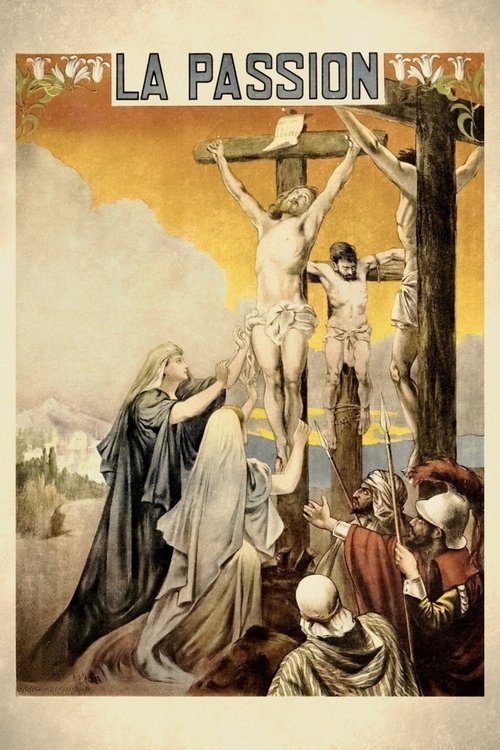
1903
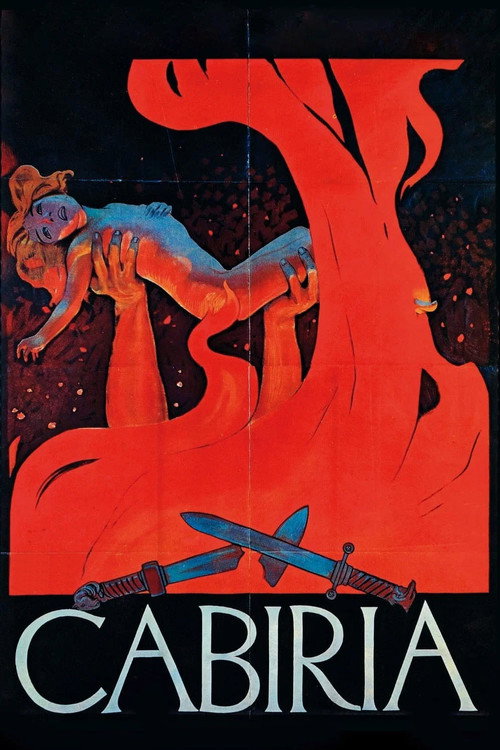
1914
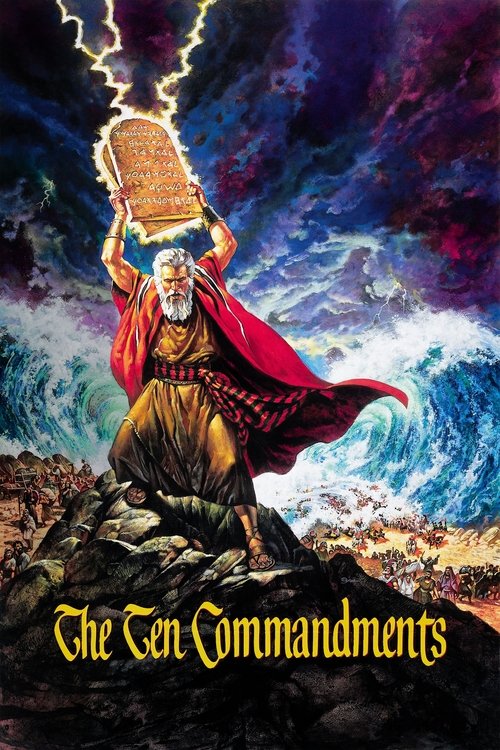
1956
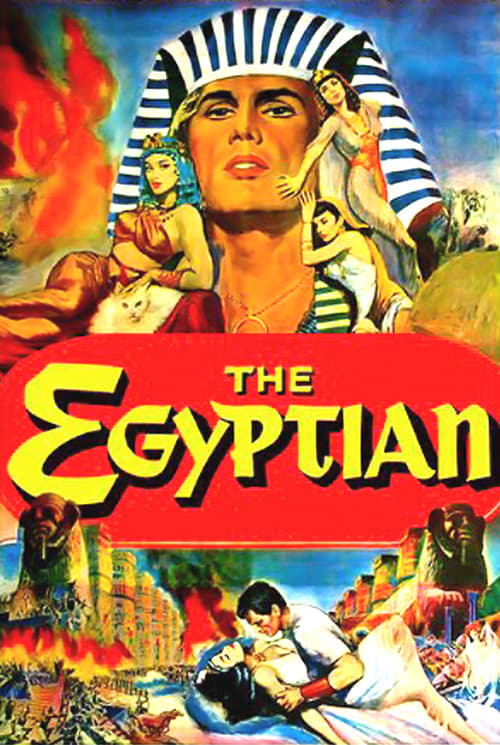
1954
No reviews yet. Be the first to share your thoughts on this movie!
Use the rating form above to leave a star rating and optional review.