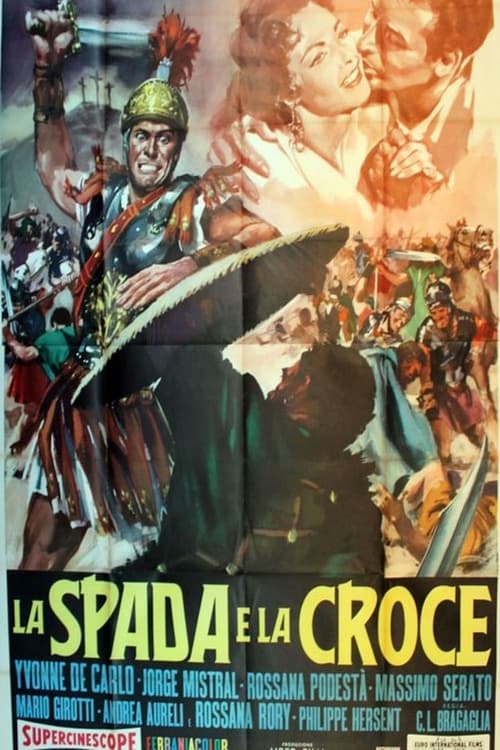
The Sword and the Cross
1958
No user ratings available yet
Diversity score: 1.9 out of 10
1960
ApprovedDirector
Henry Koster
Runtime
132 minutes
Average Rating
No ratings yetSynopsis
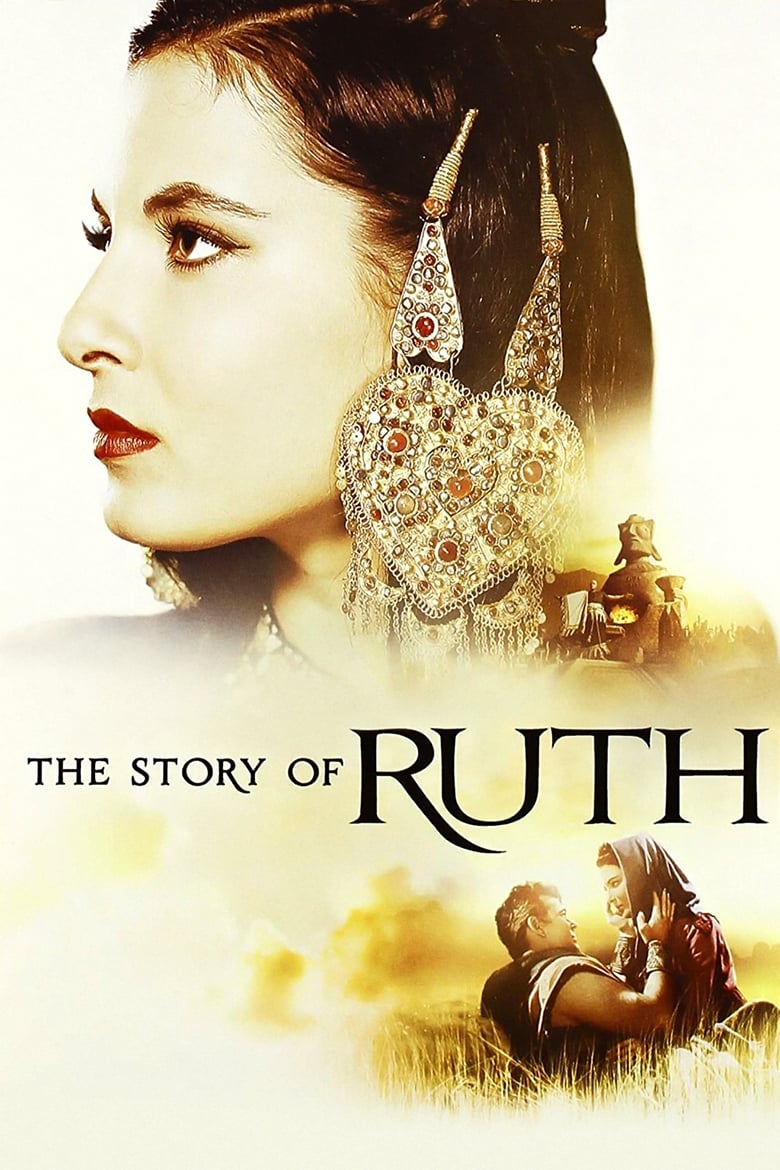
Ruth is one of two Moabite women who marry the sons of Elimelech and Naomi. When Elimelech and sons Mahlon and Chillion die, leaving Naomi a widow with two widowed daughters-in-law, Naomi decides to return to Israel. One daughter-in-law, Orpah, bids her goodbye. Daughter-in-law Ruth however says she will not desert her.
Overall Score
Limited
Category Breakdown
LGBTQ+ Representation
The film operates within a strictly heteronormative framework. There are no depictions of non-cisnormative identities or same-sex intimacy.
Gender Representation
While female characters drive the plot, their agency is tied to domestic loyalty. Their social survival remains linked to patriarchal structures and relationships with men.
Racial & Ethnic Diversity
The production uses a predominantly white, Western cast to portray Middle Eastern figures. This Eurocentric casting maps Western features onto ancient Near Eastern identities.
Religious & Cultural Diversity
The narrative prioritizes monotheistic ideals and divine providence. It reinforces traditional values of family stability and adherence to religious law without critique.
Disability Representation
There are no prominent depictions of physical or neurodivergent disabilities. Characters are portrayed through the lens of standard physical capability.
Strengths
Areas for Improvement
AI Analysis
The Story of Ruth is a traditionalist historical drama that prioritizes the preservation of established social and religious hierarchies. While the narrative is centered on female protagonists like Ruth and Naomi, their roles are defined by domesticity and submission to patriarchal structures. The film lacks diversity in its casting and cultural perspective. It utilizes a Eurocentric lens to portray Semitic history, employing a white cast for Middle Eastern roles. This approach reinforces a Westernized view of biblical antiquity rather than historical or ethnic accuracy. Ultimately, the film functions as a conservative adaptation of religious text. It upholds singular religious morality and traditional gender roles, offering no subversion of the status quo or inclusion of marginalized identities.
1958
1923
2013
2016
2012

2006
1989
1997
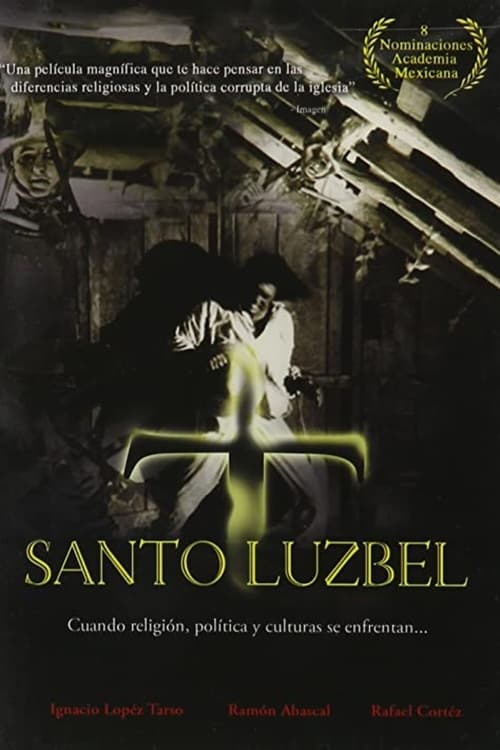
1997
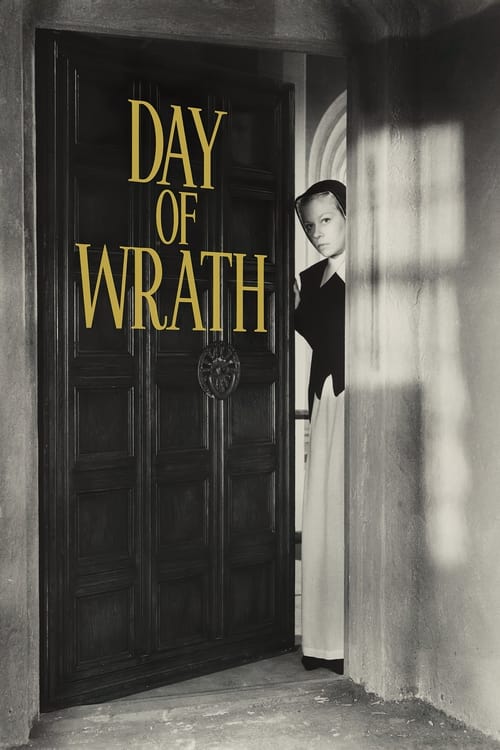
1943
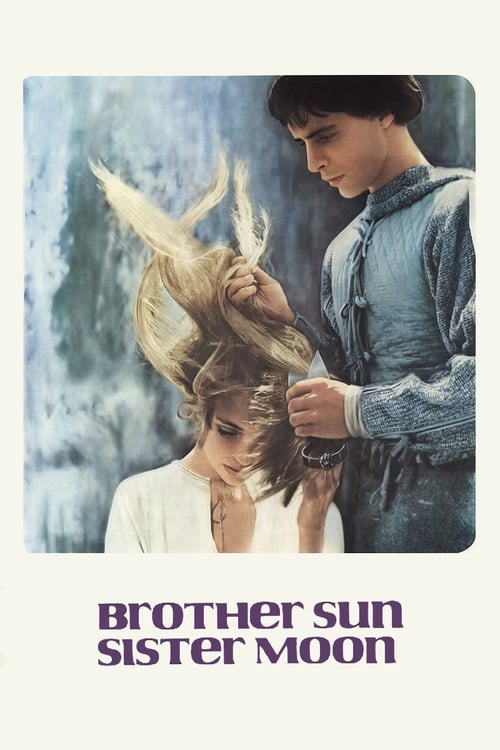
1972
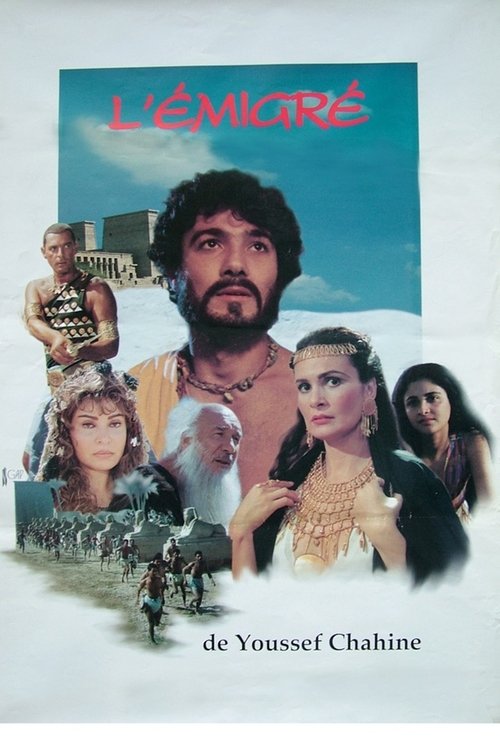
1994
No reviews yet. Be the first to share your thoughts on this movie!
Use the rating form above to leave a star rating and optional review.