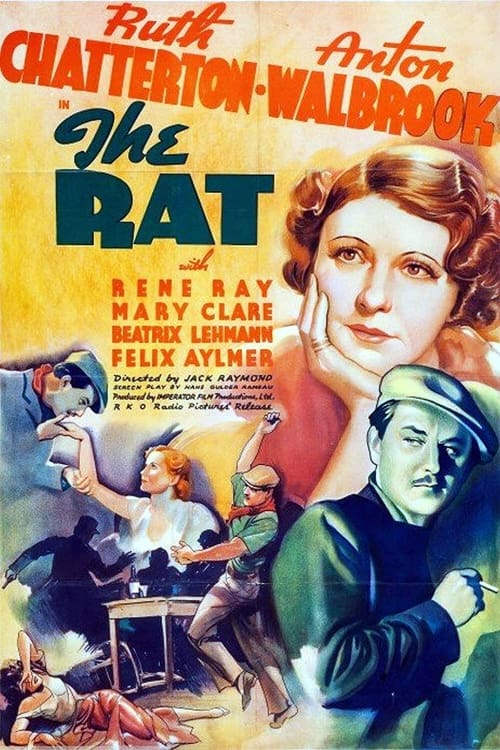
The Rat
1937
No user ratings available yet
Diversity score: 1.6 out of 10

1934
NRDirector
John Francis Dillon
Runtime
61 minutes
Average Rating
No ratings yetSynopsis
Former bootlegger Dutch Barnes pressures neighborhood druggist Jimmy Morrell into making cut-rate knockoff toiletry, cosmetic, and pharmaceutical products.
Overall Score
Limited
Category Breakdown
LGBTQ+ Representation
The film contains no evidence of non-heteronormative identities. There are no narratives present that critique heteronormativity.
Gender Representation
The narrative focuses on a male-centric power dynamic between a bootlegger and a druggist. There is no indication of female characters possessing agency or subverting gender hierarchies.
Racial & Ethnic Diversity
The story centers on localized urban environments without explicit mention of race. There is no evidence of diverse casting or race-bending in the plot.
Religious & Cultural Diversity
The plot follows traditional crime tropes involving the subversion of legitimate commerce. It lacks any anti-capitalist or anti-Western institutional critiques.
Disability Representation
No characters with visible or invisible disabilities are identified in the film's documentation.
Strengths
Areas for Improvement
AI Analysis
The Big Shakedown is a period-specific crime drama that prioritizes genre-driven conflict over social representation. The narrative architecture focuses on the economic coercion and criminal exploitation between Dutch Barnes and Jimmy Morrell. Because the film adheres to 1930s studio system conventions, it relies on traditional character archetypes. The story emphasizes individual agency and moral consequences within a crime subgenre rather than exploring systemic identity politics. Ultimately, the film reflects the standard narrative structures of its era, offering little to no disruption of established social norms or intersectional storytelling.
1937
1935

1929
1937
1940
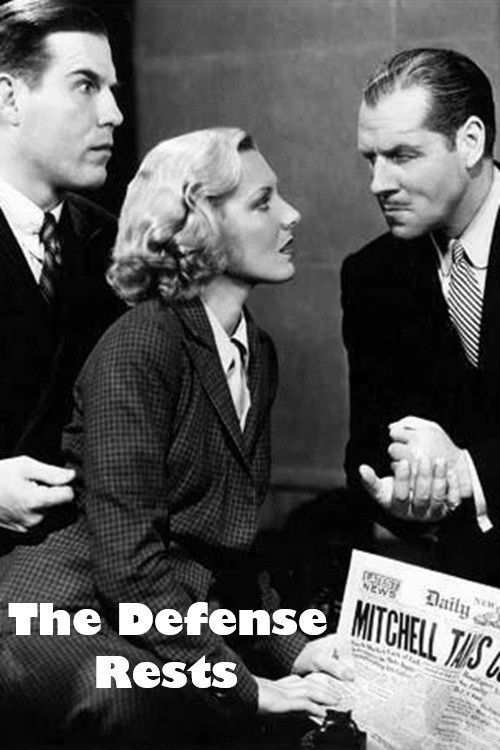
1934
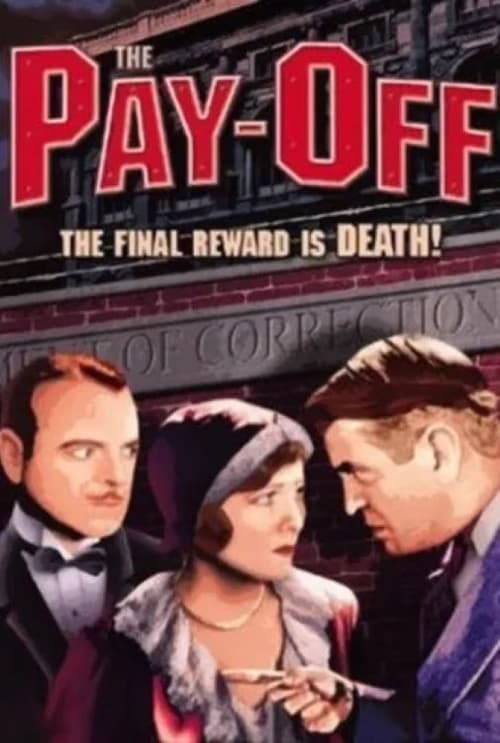
1930

1947
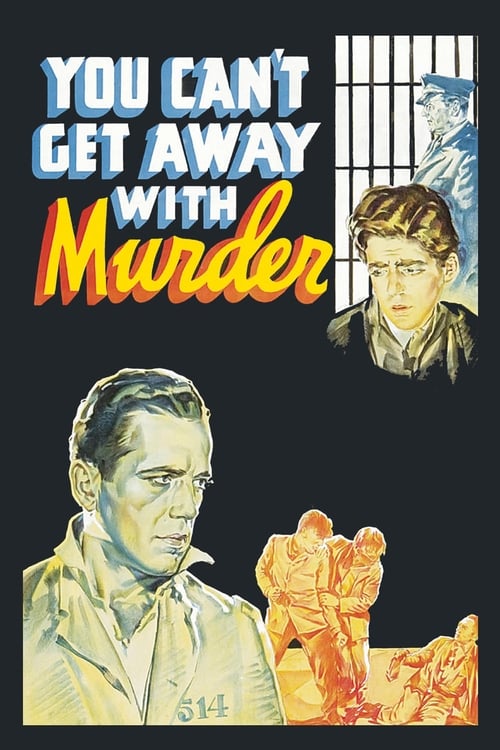
1939
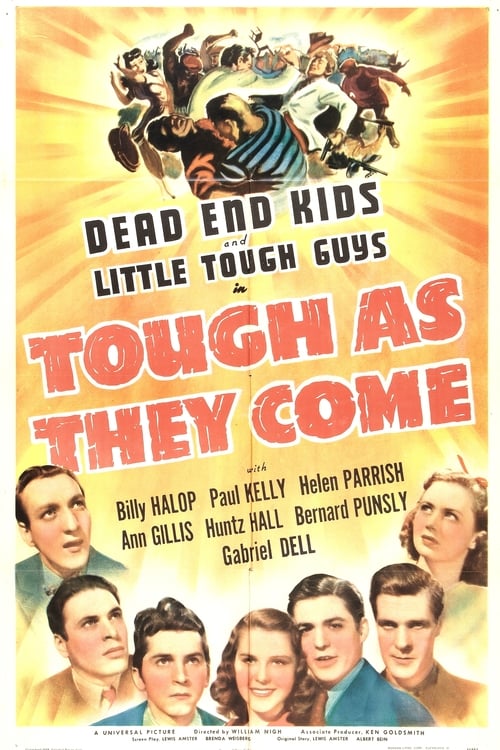
1942

1939
1932
No reviews yet. Be the first to share your thoughts on this movie!
Use the rating form above to leave a star rating and optional review.