Toy Trouble
1941
No user ratings available yet
Representation score: 1.9 out of 10
Representation Score
Minimal
1940
ApprovedDirector
Chuck Jones
Runtime
8 minutes
Average Rating
No ratings yetNew Showbiz Analysis
Chuck Jones creates a foundational Looney Tunes short that emphasizes visual gags and physical comedy over social commentary. The narrative centers on a chase between Sniffles the Mouse, the Bookworm, and a protective Barn Owl. While showcasing early directorial skill, the film adheres to the conventional comedic clichés of 1940s animation. It does not explore complex layers of identity or societal critiques, focusing instead on natural instincts like protecting eggs. Overall, the film serves as non-political entertainment, reinforcing the era’s standards for slapstick comedy without challenging traditional norms.
Category Breakdown
The film does not depict LGBTQ+ identities or gender non-conformity. Character interactions focus on friendship and natural behaviors.
The narrative lacks exploration of gender roles. Characters like Sniffles and the Bookworm are defined by their slapstick antics rather than gender dynamics.
As an animal fable, the film does not address human racial or ethnic diversity. The characters are uniform in their species identity.
The film follows a traditional slapstick framework without critiquing Western institutions or promoting specific religious or political views.
The film does not portray characters with disabilities or neurodivergence. Physical humor relies on cartoon physics rather than addressing disabilities.
Present on Screen
Limited or Absent
Official Synopsis
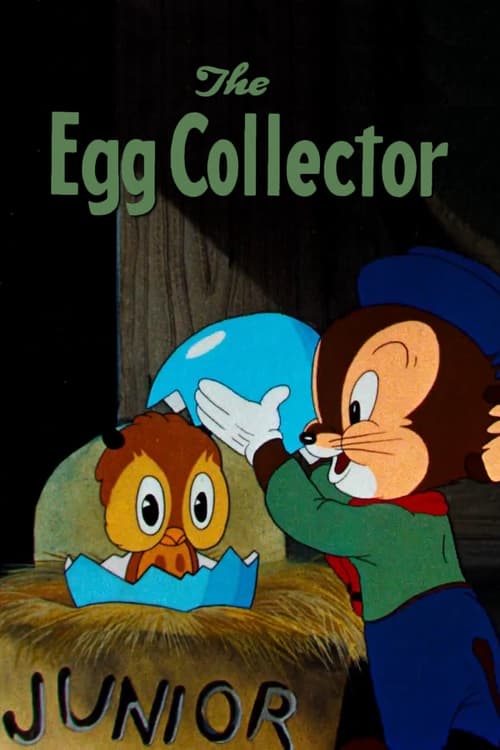
Sniffles the mouse and his friend the Bookworm decide to take up egg collecting, setting their eyes upon a big barn owl egg. But the big barn owl isn't so hot on the idea.
1941
2021
1940
1944
1945
1947
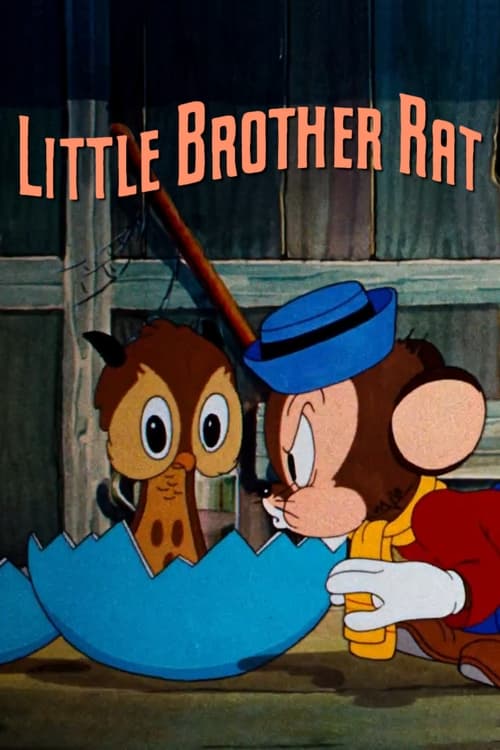
1939
1946
No reviews yet. Be the first to share your thoughts on this movie!
Use the rating form above to leave a star rating and optional review.