Bedevilled Rabbit
1957
No user ratings available yet
Representation score: 0.3 out of 10
Representation Score
Minimal
1947
NRDirector
Robert McKimson
Runtime
7 minutes
Average Rating
No ratings yetNew Showbiz Analysis
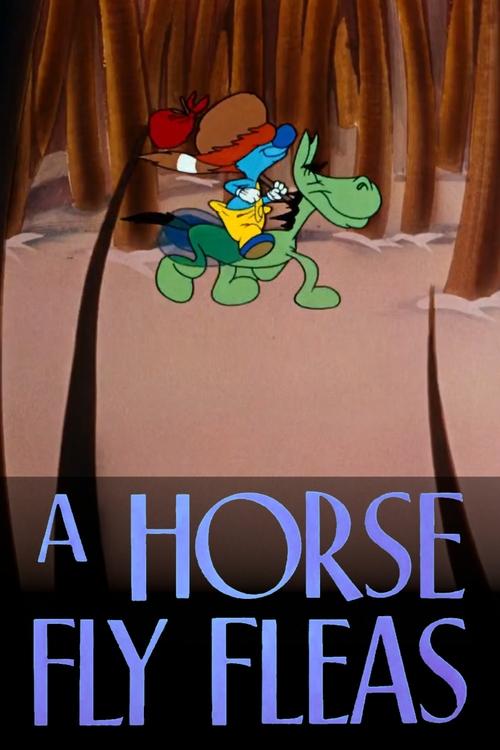
This 1947 short film reflects the conventions of its time, focusing on slapstick humor rather than nuanced social commentary. The narrative structure relies on reductive cultural caricatures and lacks meaningful character development. The film does not engage with progressive representation, instead using historical biases to create comedic conflicts. The portrayal of Indigenous tribes through anthropomorphic metaphors reinforces harmful stereotypes. Overall, the work operates within a traditional framework that overlooks diverse social identities and secondary character development.
Category Breakdown
The film includes a non-romantic partnership between a flea and a horsefly. There is no depiction of LGBTQ identities or non-traditional gender expressions.
The story centers on insectoid characters rather than a diverse range of genders. It does not challenge traditional gender roles or dynamics.
The plot relies on problematic stereotypes by portraying 'Indian fleas' as a tribal group. These caricatures reduce Indigenous cultures to comedic devices.
The story adheres to a Western-centric comedic framework. It does not engage with systemic critiques or deconstruct Western institutions.
There is no representation of physical, sensory, or neurodivergent disabilities among the characters.
Present on Screen
Limited or Absent
Official Synopsis
A flea befriends a horsefly, who has hooves like those of a horse, and rides the horsefly into the hair of a dog. The flea chops down strands of the dog's hair to use as "logs" with which to build a cabin, unaware that the dog's coat is the sacred territory of a tribe of Indian fleas, who declare war on the interlopers. The Indians capture and are about to burn the flea and the horsefly when the dog jolts in pain from the fire. The flea and the horsefly free themselves and flee the Indians through the hairs on the dog's carcass.
1957
1956
1950
1950
1957
1962
1951
1952
No reviews yet. Be the first to share your thoughts on this movie!
Use the rating form above to leave a star rating and optional review.