The Cry of the Owl
1987
No user ratings available yet
Diversity score: 2.3 out of 10
1977
RDirector
Charles Jarrott
Runtime
165 minutes
Average Rating
No ratings yetSynopsis
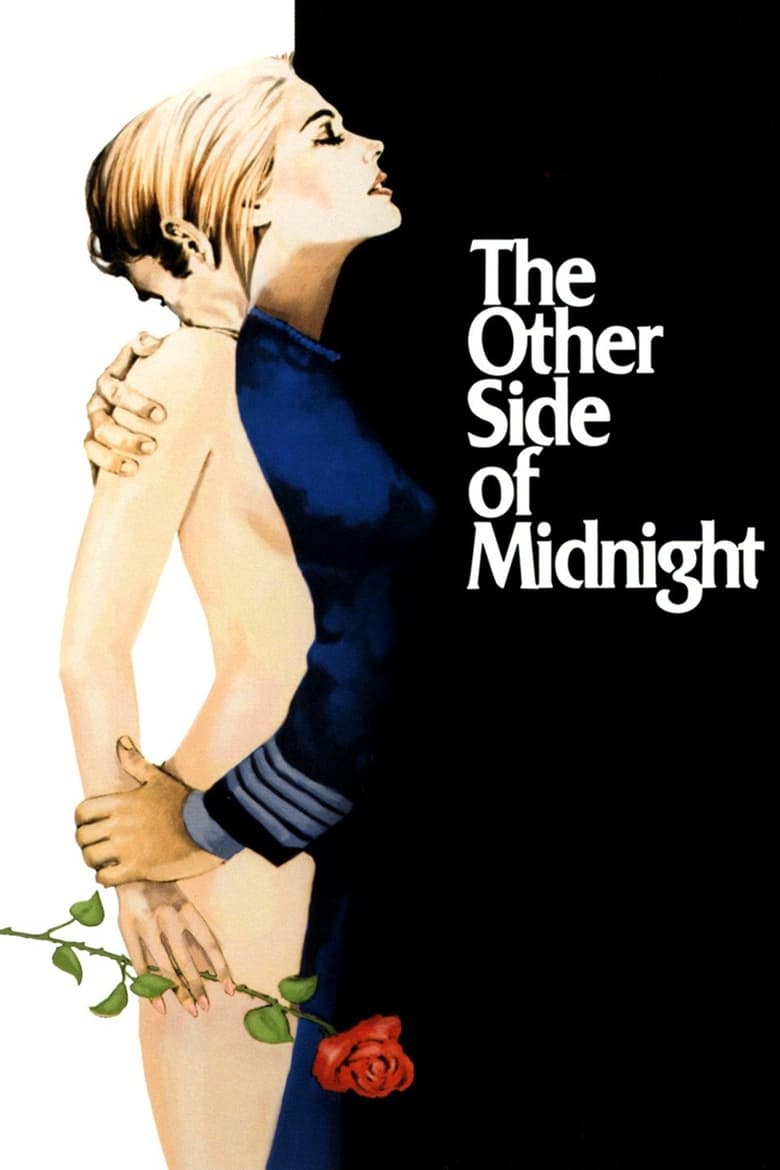
When French beauty Noelle Page falls in love with American pilot Larry Douglas, she believes he'll marry her. Instead, he returns to the U.S and marries the sweet but naive Catherine. Even though Noelle has found a new lover, an affluent Greek named Constantin, and has started a great career as an actress, she vows revenge on her onetime lover. But once her plan is in motion, she and Larry fall in love and plot Catherine's death.
Overall Score
Limited
Category Breakdown
LGBTQ+ Representation
The film operates within a strictly heteronormative framework. The central conflict relies on a romantic triangle between a woman and two men, offering no presence of non-cisnormative identities.
Gender Representation
Noelle Page demonstrates significant autonomy by driving the plot through her pursuit of vengeance. While she subverts the passive victim trope, the narrative remains tethered to traditional romantic hierarchies.
Racial & Ethnic Diversity
The cast is predominantly homogeneous, reflecting the production standards of 1977. While Constantin is identified as Greek, he functions within a traditional Western social framework without providing broader intersectionality.
Religious & Cultural Diversity
This period piece reinforces mid-20th-century social and moral complexities. It focuses on individual moral failings and wartime London rather than critiquing Western institutions like family or capitalism.
Disability Representation
There are no discernible depictions of physical, sensory, or neurodivergent disabilities. These elements are absent from the central character arcs and the supporting cast.
Strengths
Areas for Improvement
AI Analysis
The film is a traditional period melodrama that prioritizes classical narrative structures over social disruption. While it offers a nuanced look at female agency through Noelle Page's active pursuit of vengeance, the story remains deeply rooted in conventional romantic hierarchies. Diversity is limited by the era's production standards, resulting in a predominantly homogeneous cast. The narrative lacks significant minority representation or any meaningful exploration of intersectional identities, focusing instead on individual moral choices within a Western framework. Ultimately, the film lacks the systemic critique or diverse representation necessary for a progressive score. It functions as a character study of infidelity and consequence rather than a tool for social or cultural deconstruction.
1987
1974
2002
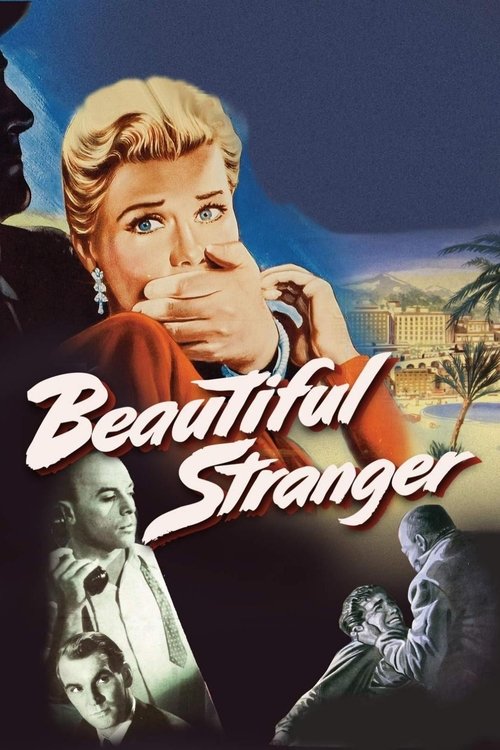
1954
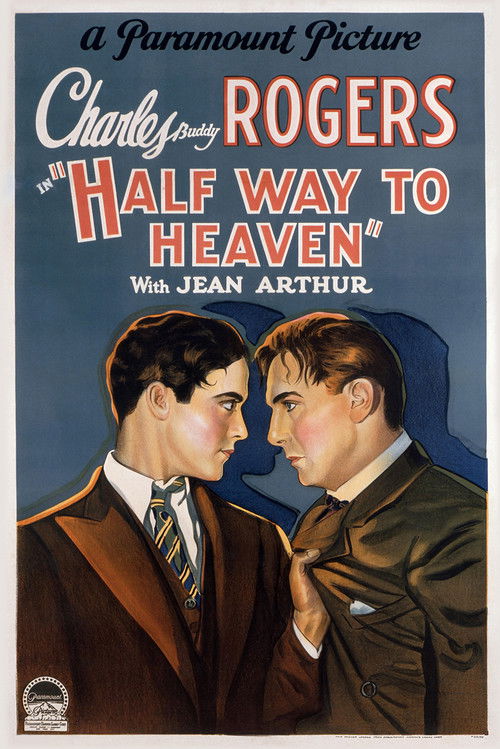
1929

1959
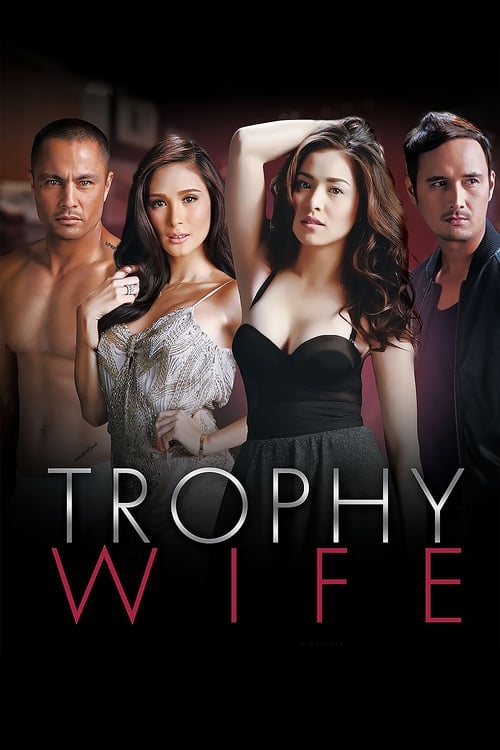
2014
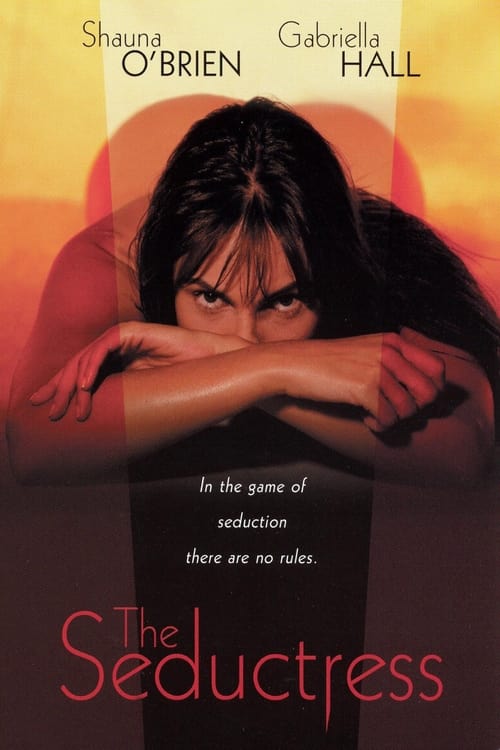
2000
1991
2000
1957

1970
No reviews yet. Be the first to share your thoughts on this movie!
Use the rating form above to leave a star rating and optional review.