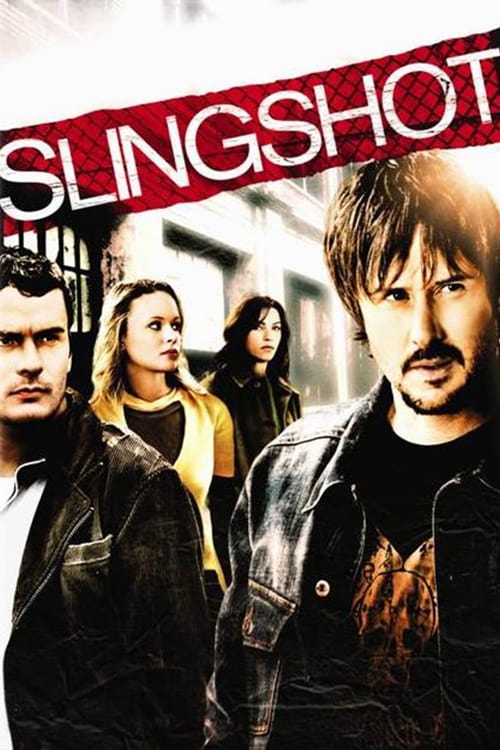
Slingshot
2005
No user ratings available yet
Representation score: 1.4 out of 10

Representation Score
Good
1970
RDirector
Leonard Kastle
Runtime
108 minutes
Average Rating
No ratings yetNew Showbiz Analysis
The film stands out by emphasizing female autonomy in a context of extreme antisocial behavior. It replaces outdated stereotypes with a proactive, unsettling portrayal of criminality. However, the film's demographic range is quite narrow, lacking racial, ethnic, and explicit LGBTQ+ representation. This limits its scope to a localized, white, and homogeneous social environment. Overall, the film's strength lies in its rejection of conventional moral hierarchies, focusing instead on the complexity of human dysfunction without traditional redemption arcs.
Category Breakdown
While the film doesn't explicitly include LGBTQ+ identities, the close relationship between the two female leads hints at a disruption of typical female friendship dynamics.
The film features strong, intelligent women who actively shape the plot. They are portrayed as independent and resourceful, challenging traditional views of women as passive victims.
The cast is predominantly white, with little engagement with racial or ethnic diversity. The story focuses on a small, isolated community without much variation in background.
The film avoids traditional moral judgments, instead offering a detached look at the characters' lives. It highlights the materialism and superficial relationships within a limited setting.
Martha Beck is shown as overweight, which adds to her character's psychological depth but doesn't explore her experiences as a person with a disability.
Present on Screen
Limited or Absent
Official Synopsis
Martha Beck, an obese nurse who is desperately lonely, joins a "correspondence club" and finds a romantic pen pal in Ray Fernandez. Martha falls hard for Ray, and is intent on sticking with him even when she discovers he's a con man who seduces lonely single women, kills them and then takes their money. She poses as Ray's sister and joins Ray on a wild killing spree, fueled by her lingering concern that Ray will leave her for one of his marks.
2005
1946
1995
1981

2006

1970
2000
1950
No reviews yet. Be the first to share your thoughts on this movie!
Use the rating form above to leave a star rating and optional review.