The Cry of the Owl
1987
No user ratings available yet
Diversity score: 2.3 out of 10
1959
Director
Erik Løchen
Runtime
94 minutes
Average Rating
No ratings yetSynopsis
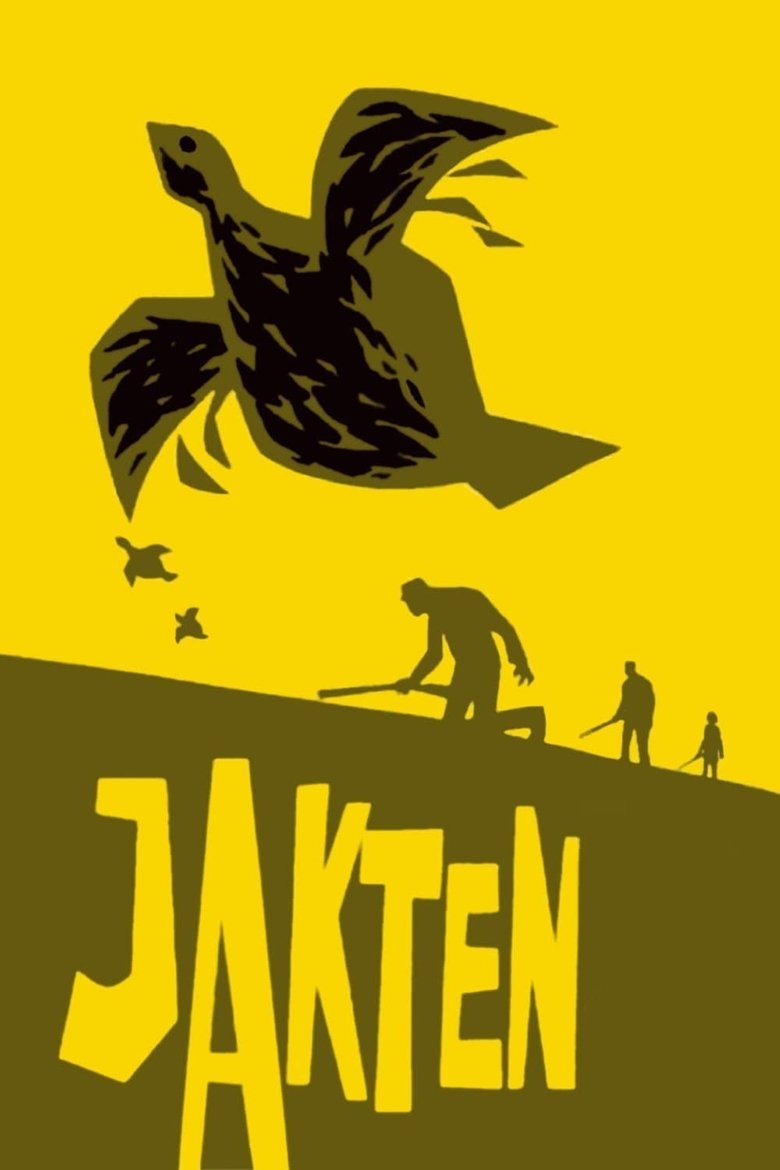
A love triangle of two men who desire the same woman. We follow them through three days of grouse hunting, a chase that ends violently. Or does it?
Overall Score
Limited
Category Breakdown
LGBTQ+ Representation
The film operates within a mid-century framework that lacks non-cisnormative identities. The central conflict is a traditional romantic triangle with no documented queer subtext.
Gender Representation
The narrative centers on male perspectives and competitive dynamics between two men. It focuses on masculine pursuit and does not actively subvert established gender hierarchies.
Racial & Ethnic Diversity
The film depicts a homogeneous Norwegian setting. There is no evidence of racial blending or non-white casting within the story.
Religious & Cultural Diversity
Løchen earns points by prioritizing the subjectivity of perception. The film challenges singular, authoritative realities through the fragmentation of memory and truth.
Disability Representation
There is no documented evidence of characters with visible or invisible disabilities used as narrative devices.
Strengths
Areas for Improvement
AI Analysis
The Chasers is a formalist achievement that prioritizes modernist experimentation over demographic breadth. Its value lies in its narrative architecture, which dismantles the continuity of time and the reliability of the protagonist. While the film lacks intersectional complexity, it disrupts the rigid, moralistic storytelling of its era. It shifts the focus from external action to the subjective nature of human perception. Ultimately, the film reflects the social and demographic constraints of 1959 Norway, offering intellectual disruption rather than social inclusion.
1987
2005

1977
2002
1953
1938
1978
No reviews yet. Be the first to share your thoughts on this movie!
Use the rating form above to leave a star rating and optional review.