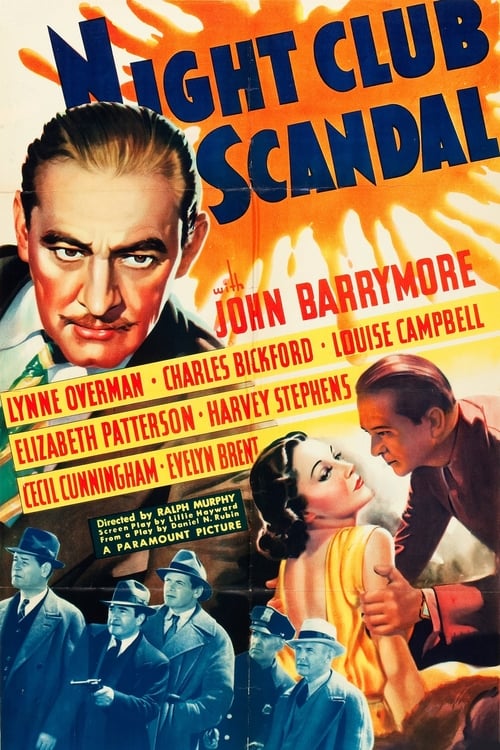
Night Club Scandal
1937
No user ratings available yet
Representation score: 1.4 out of 10
Representation Score
Minimal
1929
PassedDirector
George Abbott
Runtime
66 minutes
Average Rating
No ratings yetNew Showbiz Analysis
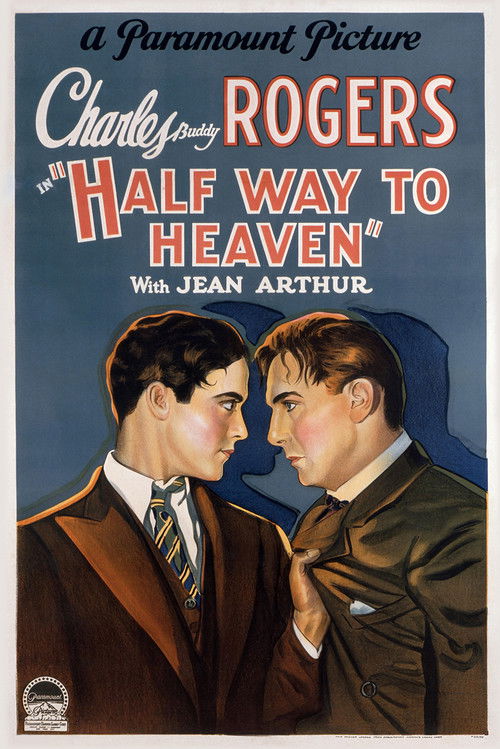
Half Way to Heaven is a typical 1929 melodrama that follows the era's standard social and narrative conventions. The plot revolves around a traditional love triangle, emphasizing individual jealousy and passion rather than broader social issues or multi-layered complexities. The film does not challenge traditional power structures. Although it features a female protagonist, her role is largely reactive to male-driven conflicts, reinforcing the gender norms of the time. Overall, the work adheres to the homogeneous archetypes of early Hollywood, offering limited cultural critique or diverse representation.
Category Breakdown
The film focuses on a love triangle involving a woman and two men. There are no characters with same-sex relationships or non-binary gender identities.
The main character is a woman who drives the story forward, but her role is mostly reactive. She is portrayed as a protector and an object of male jealousy, rather than someone who challenges power dynamics.
The cast appears to be homogeneous, reflecting the typical casting practices of 1929 Hollywood. There are no characters representing diverse ethnic backgrounds or non-Anglo-Saxon cultures.
The story follows traditional Western melodramatic themes centered around personal passion. It does not critique institutions or emphasize secular or anti-capitalist ideas.
The film does not include any characters with physical, sensory, or neurodivergent disabilities.
Present on Screen
Limited or Absent
Official Synopsis
A trapeze artist causes the death of another over their mutual love of a girl. When a new artist joins the troupe and falls in love with her, she must protect him from her ex-lover's jealous rage.
1937

1938

1977

1924

1929

1956

1954

1945
No reviews yet. Be the first to share your thoughts on this movie!
Use the rating form above to leave a star rating and optional review.