
Beautiful Stranger
1954
No user ratings available yet
Representation score: 1.5 out of 10
Representation Score
Minimal
1974
PGDirector
Blake Edwards
Runtime
125 minutes
Average Rating
No ratings yetNew Showbiz Analysis
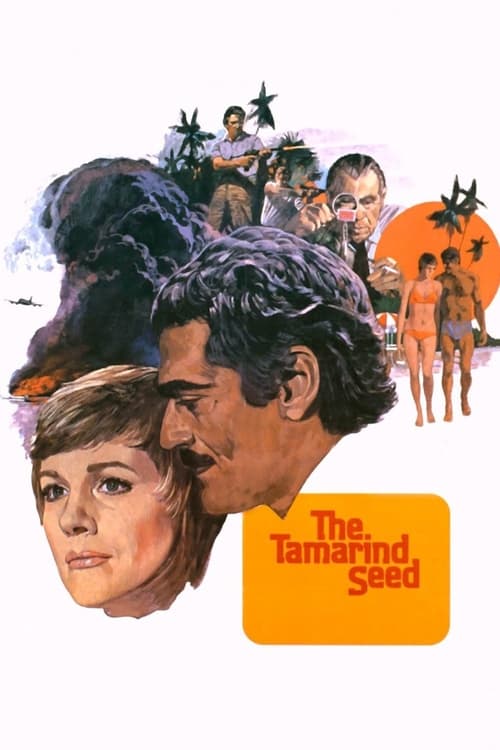
The Tamarind Seed is a period piece that adheres to the storytelling conventions of its time. It relies heavily on traditional romantic clichés and a Western-centric viewpoint. The film's biggest issue is its approach to racial representation. By casting Western actors in Indian roles, it prioritizes star power over cultural authenticity, leading to a lack of ethnic depth. Overall, the narrative stays within established social norms. It lacks the complexity needed to address multiple aspects of identity and fails to challenge traditional hierarchies.
Category Breakdown
The film follows typical heterosexual relationship structures and does not include any characters with non-traditional gender identities or same-sex relationships.
The female lead is the emotional core of the story, but her role is often constrained by societal and family expectations. The film tends to uphold traditional gender roles through its romantic storylines.
The film uses mostly Western actors to play Indian characters, which results in whitewashing. This choice undermines the ethnic authenticity of the story.
The story examines social hierarchies during the colonial era through a Western perspective. It emphasizes class differences rather than addressing anti-colonial themes.
There are no significant representations of physical or neurodivergent disabilities that affect the storyline or character development.
Present on Screen
Limited or Absent
Official Synopsis
During a Caribbean holiday, a British civil servant finds herself falling in love with a Russian agent.
1954
1957

2002

1966
2009

1952

1987
1959
No reviews yet. Be the first to share your thoughts on this movie!
Use the rating form above to leave a star rating and optional review.