
L'khaim
1911
No user ratings available yet
Representation score: 5.4 out of 10
Representation Score
Limited
1923
PassedDirector
Charles Brabin
Runtime
90 minutes
Average Rating
No ratings yetNew Showbiz Analysis
Six Days is a traditional melodrama centered around romantic passion and class tension. The plot revolves around the conflict between a sculptor and a wealthy suitor, moderated by maternal authority and religious influence. The film adheres to the conventions of early 1920s cinema, focusing on conventional social norms without delving into diverse perspectives or character complexity.
Category Breakdown
The film follows a traditional romantic storyline between Laline and Dion, with no representation of non-binary genders or critiques of conventional relationships.
Laline serves as the emotional core of the story, but her role is limited by her responsibilities as a mother and her financial situation. The narrative reflects traditional gender roles common in period dramas.
The story is set in a predominantly white, Western environment, featuring an Englishman. This indicates a homogeneous cast typical of 1920s cinema.
The inclusion of a priest and a focus on marriage highlights a narrative rooted in Western social institutions. The plot emphasizes class and family duty over broader societal critiques.
The narrative does not include any characters with visible or invisible disabilities.
Present on Screen
Limited or Absent
Official Synopsis
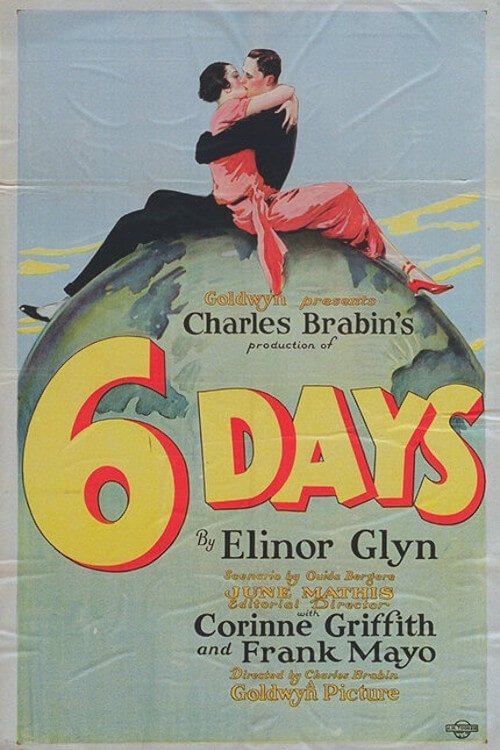
Laline, a pretty young woman, falls in love with Dion, a young sculptor, but her mother wants her to marry a wealthy Englishman. Laline and Dion are visiting the gravesite of Laline's brother with a priest, and a cave-in traps the three in some long-abandoned underground barracks.
1911

1920

1923

1927

1919

1921

1920

1921
No reviews yet. Be the first to share your thoughts on this movie!
Use the rating form above to leave a star rating and optional review.