The Killer Shrews
1959
No user ratings available yet
Representation score: 2.2 out of 10
Representation Score
Good
1953
NRDirector
Ron Ormond, Herbert Tevos
Runtime
69 minutes
Average Rating
No ratings yetNew Showbiz Analysis
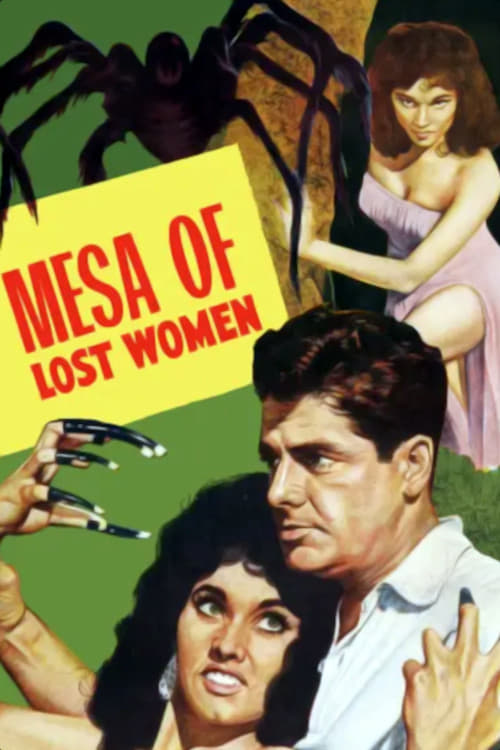
Mesa of Lost Women stands out for its radical subversion of mid-century gender hierarchies. By centering female physical dominance and regenerative power, the film challenges traditional gender norms. However, the film lacks multi-layered depth. It fails to provide meaningful representation for LGBTQ+ identities or diverse racial ensembles, despite its Mexican setting. The narrative relies on physical mutation as a plot device rather than exploring disability with nuance. Ultimately, the film is a genre outlier that uses science fiction to flip traditional power dynamics, even if it remains limited by the social perspectives of 1953.
Category Breakdown
The film does not explicitly depict LGBTQ+ identities or non-straight relationships. It does not provide enough symbolic depth to highlight queer identity.
The narrative overturns mid-century gender roles by giving women regenerative powers and physical dominance. This shift places women's control at the center of the plot.
Set in a Mexican laboratory, the film focuses on scientific phenomena rather than showcasing a diverse cast. It does not emphasize ethnic diversity in character arcs.
The story explores scientific morality and the disruption of the natural order. It leans towards secular, cautionary scientific inquiry rather than traditional religious frameworks.
Physical mutation is used as a plot device, specifically transforming men into dwarves. These changes are framed as accidents rather than nuanced experiences of disability.
Present on Screen
Limited or Absent
Official Synopsis
A mad scientist, Dr. Aranya (Jackie Coogan), has created giant spiders in his Mexican lab in Zarpa Mesa to create a race of superwomen by injecting spiders with human pituitary growth hormones. Women develop miraculous regenerative powers, but men mutate into disfigured dwarves. Spiders grow to human size and intelligence.
1959
1955
1943
1932
1958
1957

1961

1958
No reviews yet. Be the first to share your thoughts on this movie!
Use the rating form above to leave a star rating and optional review.