
La decente
1971
No user ratings available yet
Representation score: 2.0 out of 10
Representation Score
Limited
1970
Director
Eugenio Martín
Average Rating
No ratings yetNew Showbiz Analysis
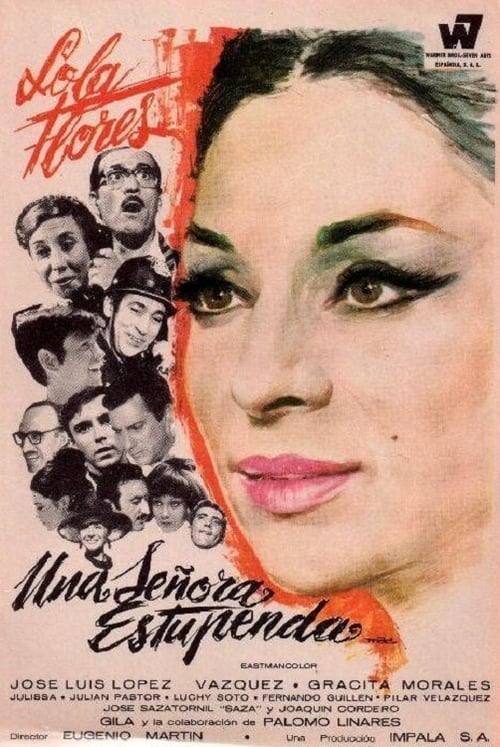
Una señora estupenda is a conventional period piece that mirrors the social constraints of 1970s Spain. While the film provides a central platform for a female protagonist, it remains tied to the era's traditional domestic structures. The production lacks multi-layered complexity or systemic critique, functioning as a standard commercial comedy that reflects the demographic and cultural homogeneity of its time rather than challenging it. Ultimately, the film serves as a snapshot of mainstream Spanish cinema, prioritizing established social norms over the subversion of traditional hierarchies.
Category Breakdown
The film follows the social norms of 1970 and does not include any non-cisgender identities or critiques of the assumption that everyone is straight.
A female protagonist plays a central role, but her actions stay within traditional domestic structures without actively disrupting gender hierarchies.
The cast reflects the demographic homogeneity typical of mainstream Spanish commercial cinema. There is no evidence of diverse ethnic representation.
The narrative adheres to the prevailing social mores of the era. It lacks secularist critiques or the deconstruction of traditional institutions like family and religion.
There is no documented evidence of characters with disabilities. No neurodivergent or physical disabilities are used as central plot devices or subjects of mockery.
Present on Screen
Limited or Absent
1971
1970

1970
1972
1977
1971
1978
1970
No reviews yet. Be the first to share your thoughts on this movie!
Use the rating form above to leave a star rating and optional review.