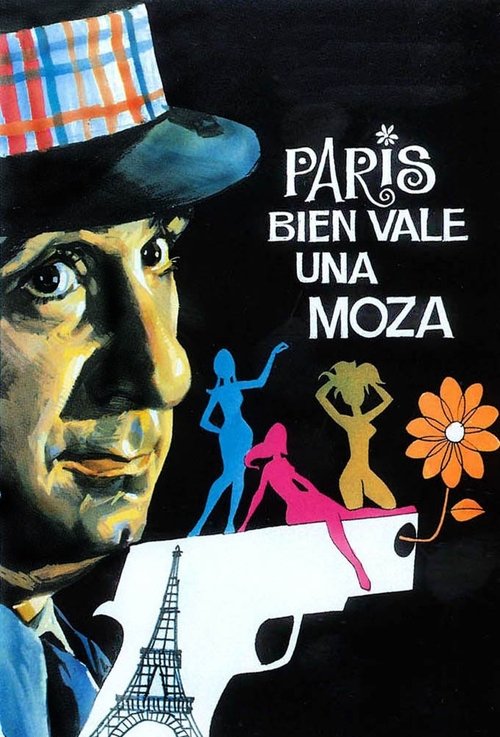
París bien vale una moza
1972
No user ratings available yet
Representation score: 1.4 out of 10
Representation Score
Limited
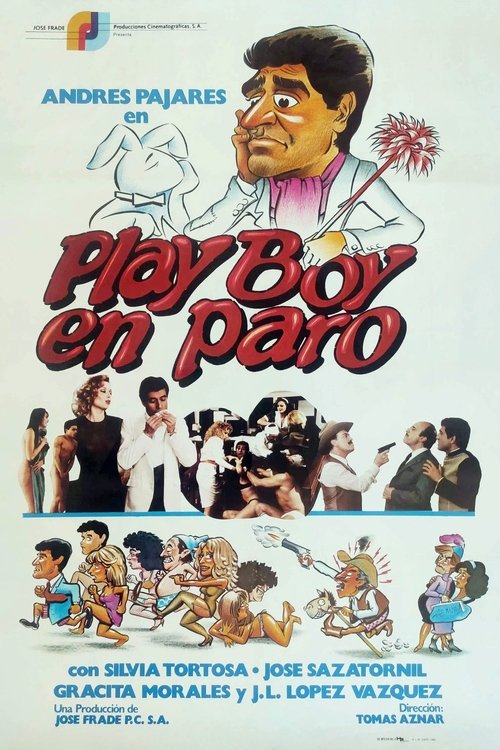
1984
Director
Tomás Aznar
Runtime
84 minutes
Average Rating
No ratings yetNew Showbiz Analysis
Playboy en paro is a product of its time, reflecting the conventional cinematic landscape of 1980s Spain. The film relies on established comedic archetypes and traditional genre conventions rather than narrative subversion. The casting and thematic profile suggest a focus on domestic, mainstream storytelling. It lacks the complexity or disruption of social hierarchies necessary to move beyond a standard period-specific representation. Ultimately, the film functions as a localized comedy that adheres to the social frameworks of its era, offering little evidence of progressive or diverse character development.
Category Breakdown
The film follows traditional comedic structures common in 1980s Spanish cinema. There is no evidence of LGBTQ+ identities or narratives that challenge the assumption that everyone is straight or cisgender.
The film includes female actors like Silvia Tortosa and María Salerno, but the characters may be defined by traditional gender roles. The plot lacks evidence of women's ability to drive the narrative.
The production features a predominantly domestic cast typical of localized Spanish comedies. The narrative reflects the demographic homogeneity common in mainstream cinema of this period.
The film likely operates within established social and familial structures rather than challenging them. There is no indication of systemic or secular critiques within the story.
There is no information available regarding the inclusion of characters with physical or neurodivergent disabilities.
Present on Screen
Limited or Absent
1972
1984
1988
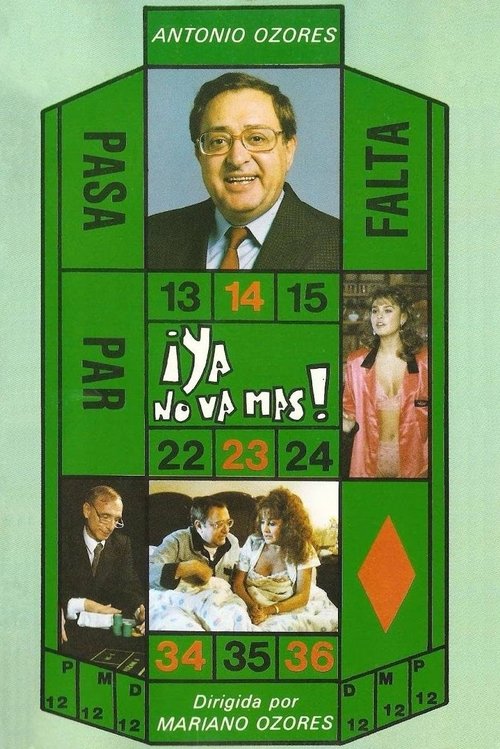
1988
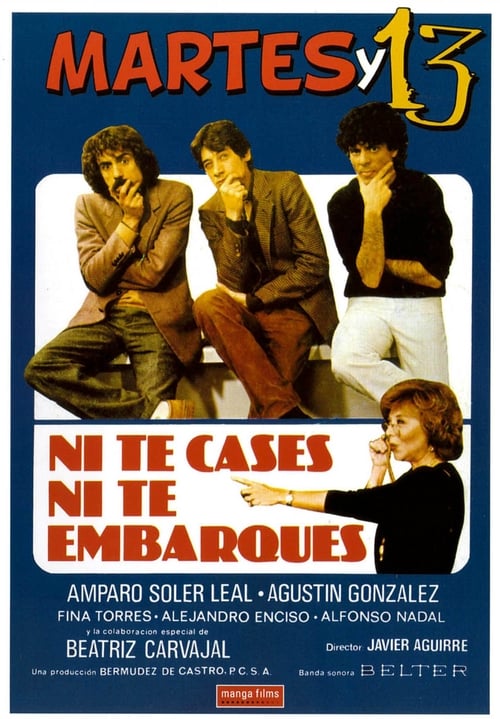
1982
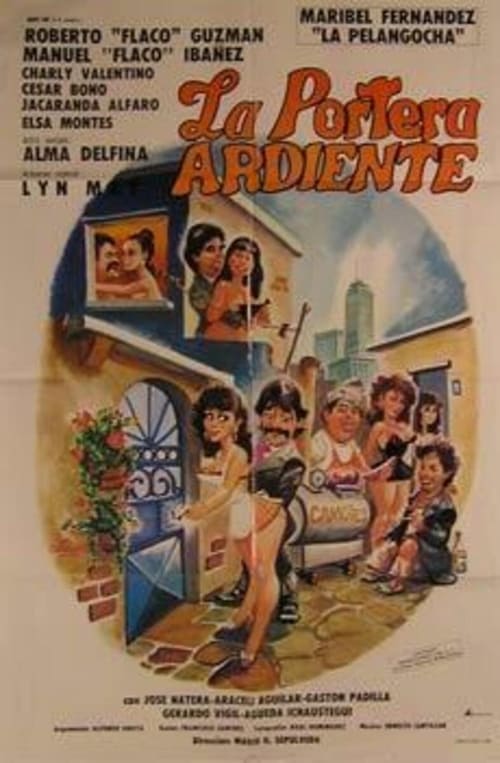
1989
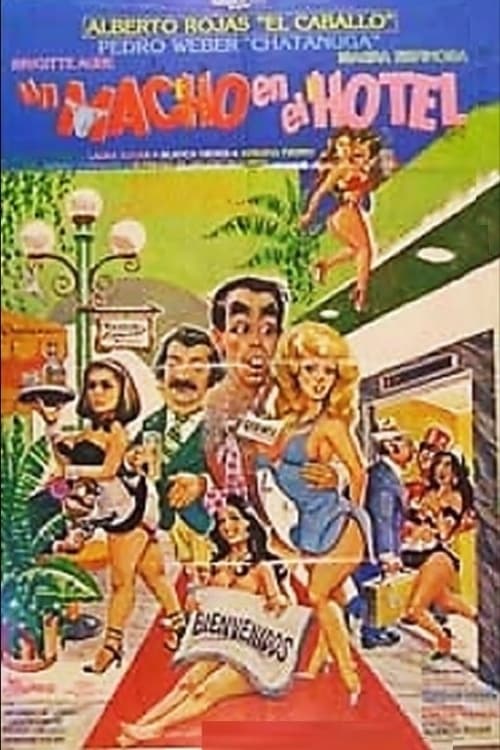
1989
1989
No reviews yet. Be the first to share your thoughts on this movie!
Use the rating form above to leave a star rating and optional review.