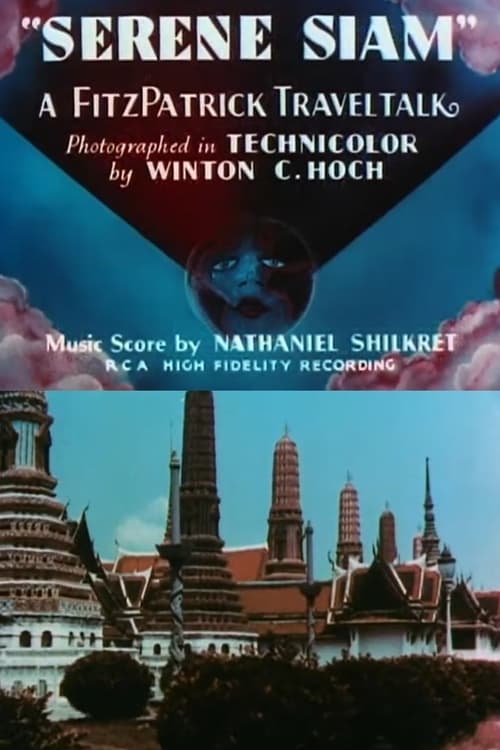
Serene Siam
1937
No user ratings available yet
Representation score: 3.1 out of 10
Representation Score
Fair
1973
Director
Deben Bhattacharya
Runtime
26 minutes
Average Rating
No ratings yetNew Showbiz Analysis
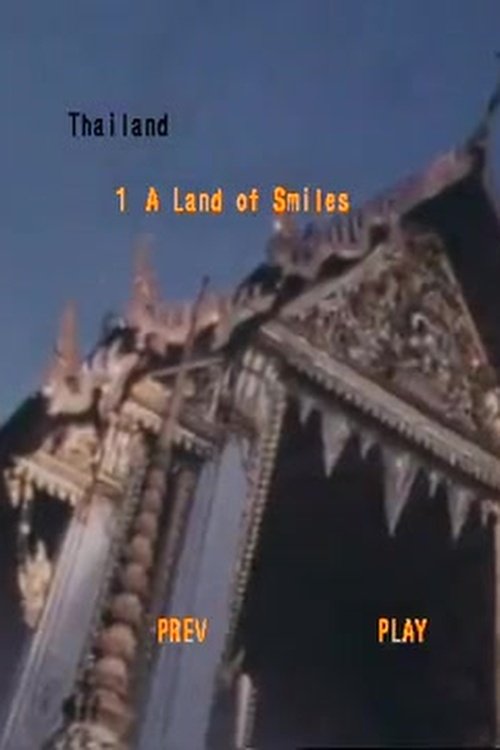
Deben Bhattacharya’s documentary serves as a vital ethnographic record that centers on Southeast Asian cultural expressions. By focusing on Thai folk songs, dances, and religious life, the film avoids Western-centric narrative structures common in 1970s media. The work excels in its racial and ethnic authenticity, providing a deep, non-Western perspective on community organization through its focus on rural and river-based commerce. However, the film lacks engagement with modern identity politics. It does not address LGBTQ+ identities or provide evidence of gender subversion, functioning instead as an observational study of established social and spiritual traditions.
Category Breakdown
The film does not include any characters or narratives related to LGBTQ+ identities. It focuses on traditional ceremonies, reflecting the social structures of the time.
Women are featured through their participation in traditional performances such as the fingernail dance. These roles highlight their influence in cultural arts, though the film does not challenge traditional gender hierarchies.
The film centers on Thai ethnic identity and local customs, avoiding Western-centric views. It highlights the daily lives, river trade, and rural industries of the Thai people.
Buddhist philosophy and religious art shape the narrative. The film emphasizes local spirituality and communal organization over Western industrial or secular norms.
There is no specific evidence regarding the portrayal of individuals with disabilities within the documentary.
Present on Screen
Limited or Absent
Official Synopsis
Thai folk songs and dances - such as the beautiful fingernail dance and the precision bamboo dance - are filmed in performance, as is a segment from the classical the epic poem/dance, the Ramayana. The program also looks at Thailand's rural cottage industries and river trade, explores temple ceremonies, architecture, and religious art as well as the Buddhist way of life in the monasteries and villages.
1937
2004
1988
2011
1952
1986

1934
1952
No reviews yet. Be the first to share your thoughts on this movie!
Use the rating form above to leave a star rating and optional review.