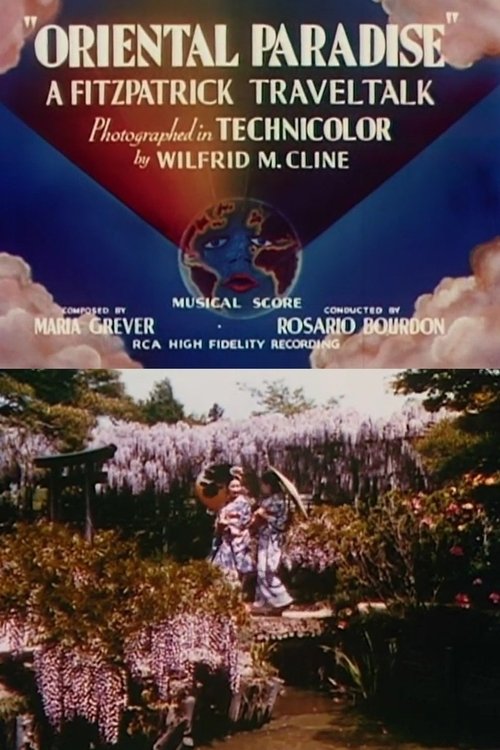
Oriental Paradise
1937
No user ratings available yet
Representation score: 1.2 out of 10
Representation Score
Limited
1936
ApprovedRuntime
8 minutes
Average Rating
No ratings yetNew Showbiz Analysis
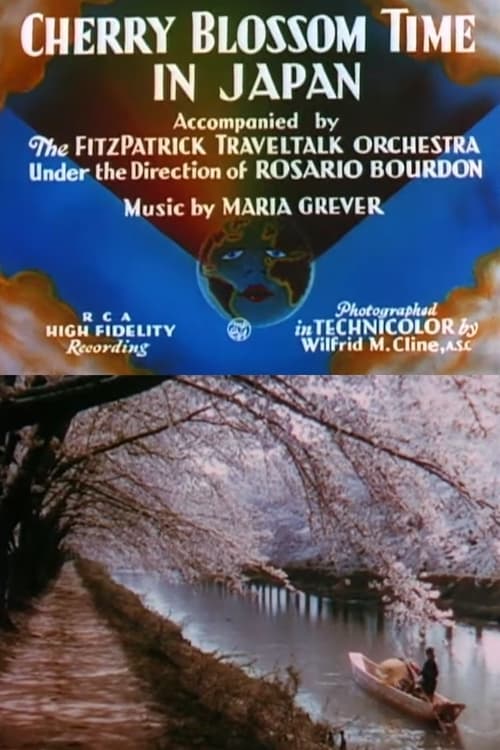
Cherry Blossom Time in Japan serves as a cultural window into the spiritual and seasonal traditions of 1936 Japan. It succeeds in disrupting the Western-centric gaze by prioritizing Eastern philosophies like Shintoism and Buddhism over Western secular or religious ideals. However, the film's impact is limited by its documentary format and historical era. The focus remains on ethnographic observation rather than character-driven storytelling, which results in a lack of multi-layered complexity and individual ability to act. While the film offers meaningful cultural inclusion through its thematic focus, it lacks representation for LGBTQ+ identities and disability, and likely reflects the rigid gender hierarchies of its time.
Category Breakdown
The film focuses on seasonal traditions and religious frameworks. There are no queer narratives or non-cisgender identities present in this documentary.
The documentary likely adheres to traditional gender roles and social hierarchies prevalent in 1930s Japan. There is no evidence of significant female influence.
The film centers Japanese ethnicity and culture, offering a non-Western perspective. However, it functions more as an ethnographic observation than a character-driven narrative.
By centering Shintoism, Confucianism, and Buddhism, the film acknowledges a complex non-Western philosophical landscape. This provides a departure from typical Western-centric morality.
There is no documented evidence of individuals with visible or invisible disabilities being portrayed in this short.
Present on Screen
Limited or Absent
Official Synopsis
In this Traveltalk short, the symbolic role of cherry blossoms in Japanese culture is explored as well as the traditional Japanese religions of Shintoism, Confucianism, and Buddhism.
1937

1985
1957
1937
1973

1934

2011
1951
No reviews yet. Be the first to share your thoughts on this movie!
Use the rating form above to leave a star rating and optional review.