Land of the Taj Mahal
1952
No user ratings available yet
Representation score: 1.9 out of 10
Representation Score
Limited
1939
ApprovedRuntime
9 minutes
Average Rating
No ratings yetNew Showbiz Analysis
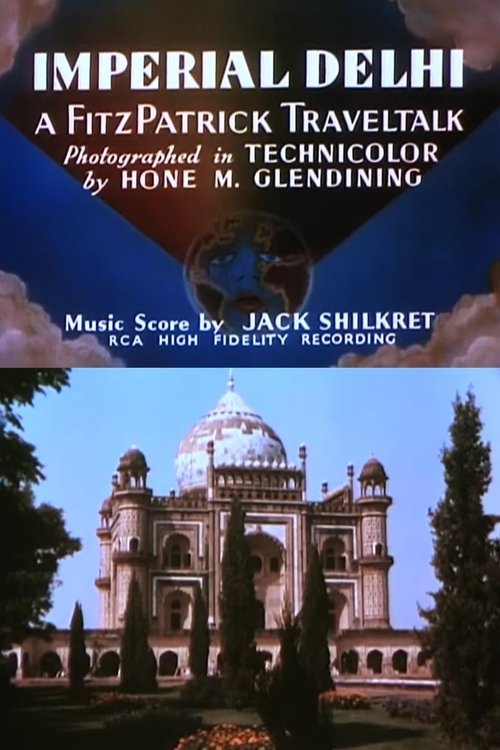
Imperial Delhi serves as a historical record of colonial-era filmmaking. While it offers significant visual diversity by documenting Indian religious sites and social life, it lacks narrative empowerment. The subjects are observed through a lens that upholds the stability of the British Raj. The film emphasizes the grandeur of the Viceroy's palace and the bustling commercial activity of Chandni Chowk. This focus preserves established social orders and Western institutional power without challenging existing hierarchies. Ultimately, the documentary operates as a celebration of imperial continuity. It provides ethnographic observation but fails to offer a critical perspective or empower its subjects.
Category Breakdown
The film does not include any LGBTQ+ characters or narratives, sticking to a traditional 1930s documentary format that excludes non-straight identities.
There is no indication of women taking a leading role or challenging traditional gender roles. The focus remains on the patriarchal structures of colonial and local hierarchies.
The film highlights Hindu and Muslim communities and local business activities. However, the perspective is observational and colored by a colonial viewpoint.
The narrative centers on the Viceroy's palace and the grandeur of Imperial India, celebrating Western imperial structures without offering criticism.
There is no documentation of individuals with visible or invisible disabilities in this film.
Present on Screen
Limited or Absent
Official Synopsis
This MGM short, part of James A. Fitzpatrick's Traveltalk series, takes the viewer to the capital of British India, Delhi. Visits to mosques and temples are followed by a tour of the shopping district, Chandni Chowk. The streets are filled bullock carts and only a few cars. Much is made of the peaceful co-existence between Hindu and Muslim. This is followed by a visit to the Viceroy's palace in adjoining New Delhi with a taste of the pomp and majesty of Imperial India.
1952

1927
1938
1952
1939
1940
1937
1937
No reviews yet. Be the first to share your thoughts on this movie!
Use the rating form above to leave a star rating and optional review.