
The Trial of Billy Jack
1974
No user ratings available yet
Diversity score: 6.0 out of 10
1977
NRDirector
Tom Laughlin
Runtime
155 minutes
Average Rating
No ratings yetSynopsis
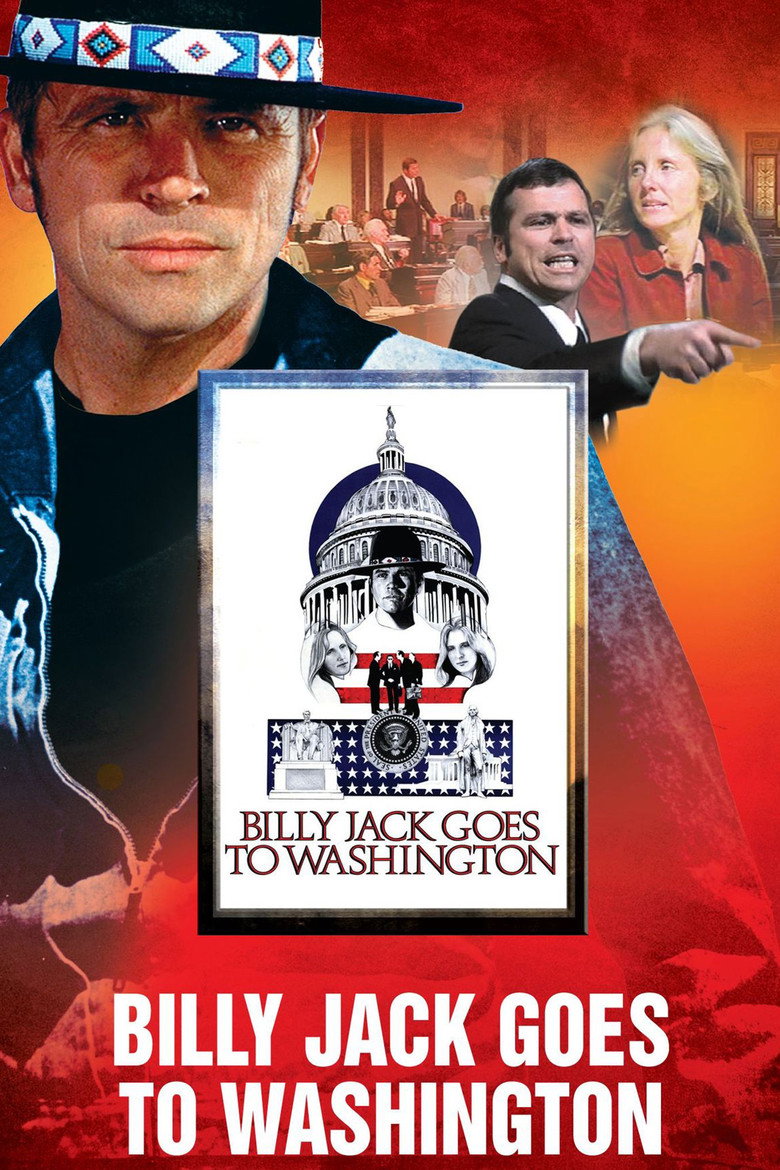
After a senator suddenly dies after completing (and sealing) an investigation into the nuclear power industry, the remaining senator and the state governor must decide on a person who will play along with their shady deals and not cause any problems. They decide on Billy Jack, currently sitting in prison after being sent to jail at the end of his previous film, as they don't expect him to be capable of much, and they think he will attract young voters to the party.
Overall Score
Fair
Category Breakdown
LGBTQ+ Representation
The film lacks LGBTQ+ characters or narratives. It focuses entirely on traditional interpersonal dynamics without addressing non-heteronormative identities.
Gender Representation
The story relies on a hyper-masculine archetype centered on physical dominance. Female characters lack significant agency within the central political conflict.
Racial & Ethnic Diversity
The film centers Indigenous perspectives by highlighting the mistreatment of Native American children. Characters of color serve as high-agency moral catalysts.
Religious & Cultural Diversity
The narrative offers a profound critique of Western institutional integrity. It portrays the American political establishment as corrupt and predatory.
Disability Representation
There are no prominent depictions of physical or neurodivergent disabilities. No such elements drive the central narrative or character arcs.
Strengths
Areas for Improvement
AI Analysis
Billy Jack Goes to Washington is a film defined by its anti-establishment stance and its focus on systemic injustice. While it adheres to traditional masculine tropes, it distinguishes itself through a strong commitment to Indigenous agency and a critique of federal authority. The film's strength lies in its refusal to treat minority groups as passive background elements. Instead, it uses the struggles of Native American communities to drive the protagonist's moral journey. However, the film remains limited by its narrow gender dynamics and complete absence of LGBTQ+ representation, maintaining a very traditional social landscape.
1974
1971
1972

1969
1982
1970
1971
1968

1962
1973

2016

1986
No reviews yet. Be the first to share your thoughts on this movie!
Use the rating form above to leave a star rating and optional review.