The Love-Ins
1967
No user ratings available yet
Representation score: 5.3 out of 10
Representation Score
Limited
1970
RDirector
Stanley Kramer
Runtime
92 minutes
Average Rating
No ratings yetNew Showbiz Analysis
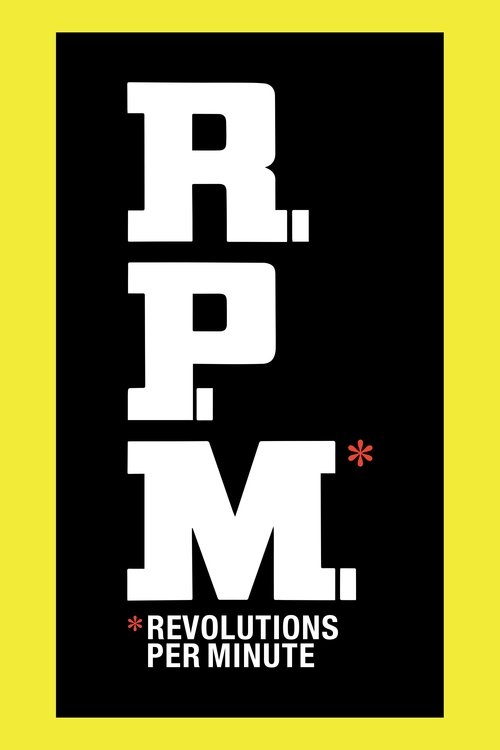
R.P.M. serves as a period-specific study of institutional volatility and the breakdown of authority during the late 1960s. It excels at critiquing the stability of Western academic structures through the lens of student activism and political revolution. However, the film lacks diversity in terms of race, gender, and LGBTQ+ identities. The narrative is heavily centered on male figures and fails to integrate diverse racial, gender, or LGBTQ+ identities into its core conflict. Ultimately, the film functions as a sociopolitical drama about the generation gap rather than a modern exercise in demographic representation.
Category Breakdown
The film focuses on ideological conflicts between students and the administration. It does not include non-straight or non-cisgender identities and follows the assumption that everyone is straight or cisgender. The story is set in the context of 1970.
Male characters, particularly the professor and student radicals, play a significant role in driving the story. There is little evidence of female intellect or challenging traditional masculinity.
The narrative prioritizes the generational gap over multi-ethnic representation. It lacks significant evidence of diverse casting or non-white protagonists driving the story.
The film critiques Western institutions by exploring the collapse of university authority. It engages deeply with the tension between established order and radical revolution.
There is no evidence of characters with visible or invisible disabilities having a significant role in driving the story.
Present on Screen
Limited or Absent
Official Synopsis
R.P.M. stands for (political) revolutions per minute. Anthony Quinn plays a liberal college professor at a west coast college during the hedy days of campus activism in the late 1960s. Radical students take over the college, the president resigns, and Quinn's character, who has always been a champion of student activism, is appointed president. As the students continue to push the envelope of revolution, Quinn's character is faced with the challenge of restoring order or abetting the descent into anarchy.
1967

1967
1970
1971

1970

1973
1971
1969
No reviews yet. Be the first to share your thoughts on this movie!
Use the rating form above to leave a star rating and optional review.