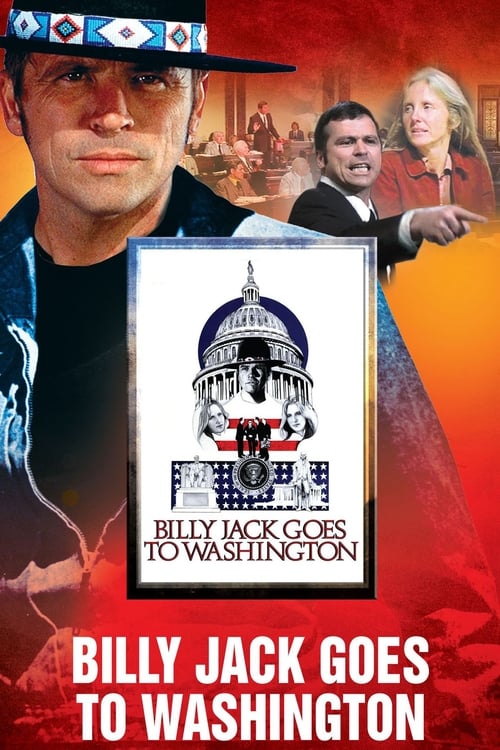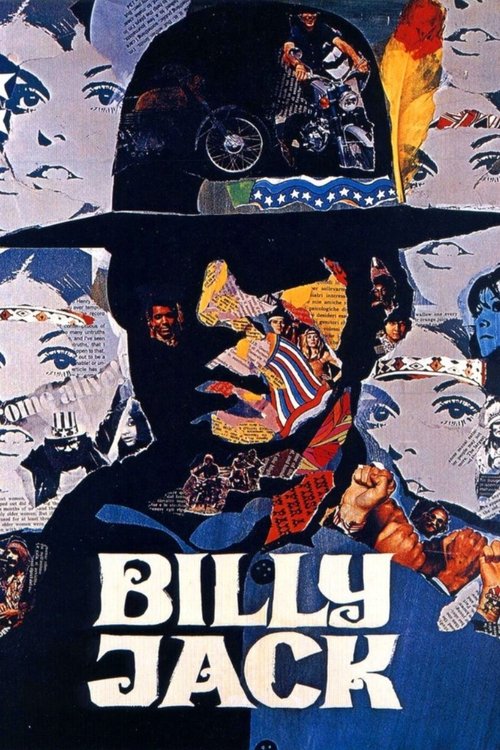
Billy Jack
1971
No user ratings available yet
Diversity score: 5.7 out of 10

1974
PGDirector
Tom Laughlin
Runtime
170 minutes
Average Rating
No ratings yetSynopsis
After Billy Jack in sentenced to four years in prison for the "involuntary manslaughter" of the first film, the Freedom School expands and flourishes under the guidance of Jean Roberts. The utopian existence of the school is characterized by everything ranging from "yoga sports" to muckracking journalism. The diverse student population airs scathing political exposes on their privately owned television station. The narrow-minded townspeople have different ideas about their brand of liberalism. Billy Jack is released and things heat up for the school. Students are threatened and abused and the Native Americans in the neighboring village are taunted and mistreated. After Billy Jack undergoes a vision quest, the governor and the police plot to permanently put an end to their liberal shenanigans, leaving it up to Billy Jack to save the day.
Overall Score
Good
Category Breakdown
LGBTQ+ Representation
The film lacks identifiable LGBTQ+ characters or narratives. The social framework remains centered on traditional interpersonal dynamics without exploring non-heteronormative identities.
Gender Representation
The narrative relies on traditional masculine heroism, positioning Billy Jack as the primary physical protector. While Jean Roberts provides intellectual leadership, the story's weight remains tethered to male intervention.
Racial & Ethnic Diversity
The film highlights the exploitation of a Native American village by the dominant population. Indigenous characters are central to the conflict, providing them with significant narrative agency.
Religious & Cultural Diversity
The story critiques Western institutions by contrasting a progressive Freedom School with corrupt local leadership. It celebrates moral relativism and challenges conventional social and capitalist norms.
Disability Representation
There is no significant evidence regarding the portrayal of physical or neurodivergent disabilities within the film's narrative.
Strengths
Areas for Improvement
AI Analysis
The film earns a respectable score through its pointed critique of systemic oppression and its focus on protecting marginalized ethnic communities. By centering the struggles of a Native American village, it engages deeply with post-colonial themes. However, the gender dynamics are quite traditional, leaning heavily on a masculine model of heroism. The narrative weight often shifts away from female leaders toward the male protagonist's physical actions. Ultimately, the film's strength lies in its ideological subversion. It successfully deconstructs the morality of legal and economic institutions, offering a sophisticated social commentary for its era.
No reviews yet. Be the first to share your thoughts on this movie!
Use the rating form above to leave a star rating and optional review.