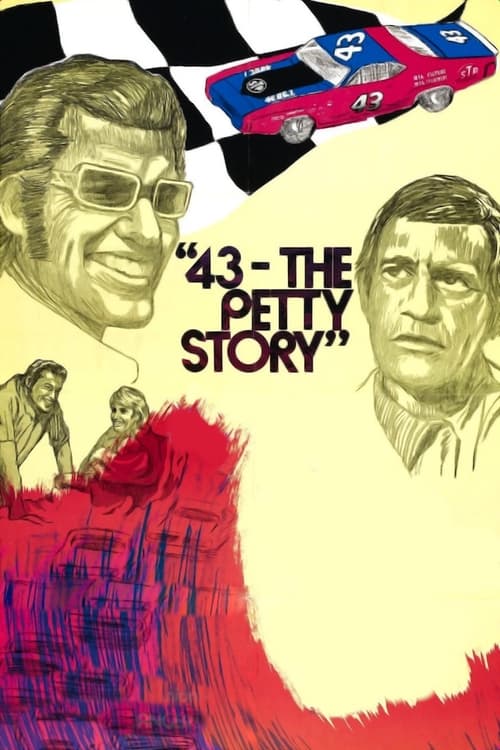
43: The Richard Petty Story
1972
No user ratings available yet
Representation score: 0.3 out of 10
Representation Score
Minimal
1973
PGDirector
Lamont Johnson
Runtime
95 minutes
Average Rating
No ratings yetNew Showbiz Analysis
The film is a character study focused on individualistic rebellion and traditional masculine archetypes. It prioritizes a singular, culturally specific experience of the American working class, limiting its demographic breadth. While the film lacks diversity in terms of gender, race, and LGBTQ+ representation, it finds depth in its cultural subversion. It challenges the sanctity of Western legal institutions by framing the protagonist's criminality as a response to systemic corruption. Ultimately, the work functions as a critique of authority rather than a diverse ensemble piece. It deconstructs the traditional hero archetype through its portrayal of non-conformity.
Category Breakdown
The film follows the straight-centered social norms of its time, showing no clear representation of LGBTQ+ identities or themes.
The story centers around a male protagonist in a male-dominated field. Women have limited roles and do not challenge the patriarchal structure.
The film focuses on a specific regional demographic, reflecting the era's homogeneity. There is no significant racial blending or diverse casting.
The film uses moral relativism to frame anti-social behavior as a form of social protest. It portrays the protagonist's defiance as a sympathetic rebellion against rigid institutions.
The film does not feature any characters with visible or invisible disabilities. Disability is not used as a central theme or character element.
Present on Screen
Limited or Absent
Official Synopsis
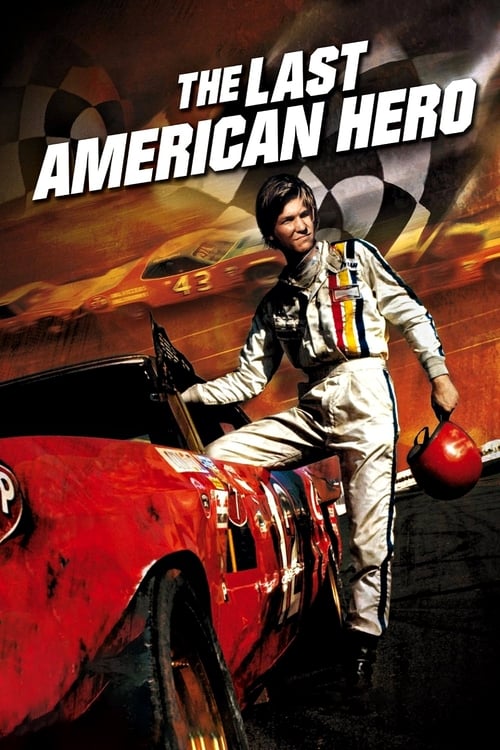
A young hell raiser quits his moonshine business and tries to become the best NASCAR racer the south has ever seen. Loosely based on the true story of NASCAR driver Junior Johnson.
1972
1969
2005

1982
1977
1986

2013

1994
No reviews yet. Be the first to share your thoughts on this movie!
Use the rating form above to leave a star rating and optional review.