
The Railroad Man
1956
No user ratings available yet
Diversity score: 2.6 out of 10
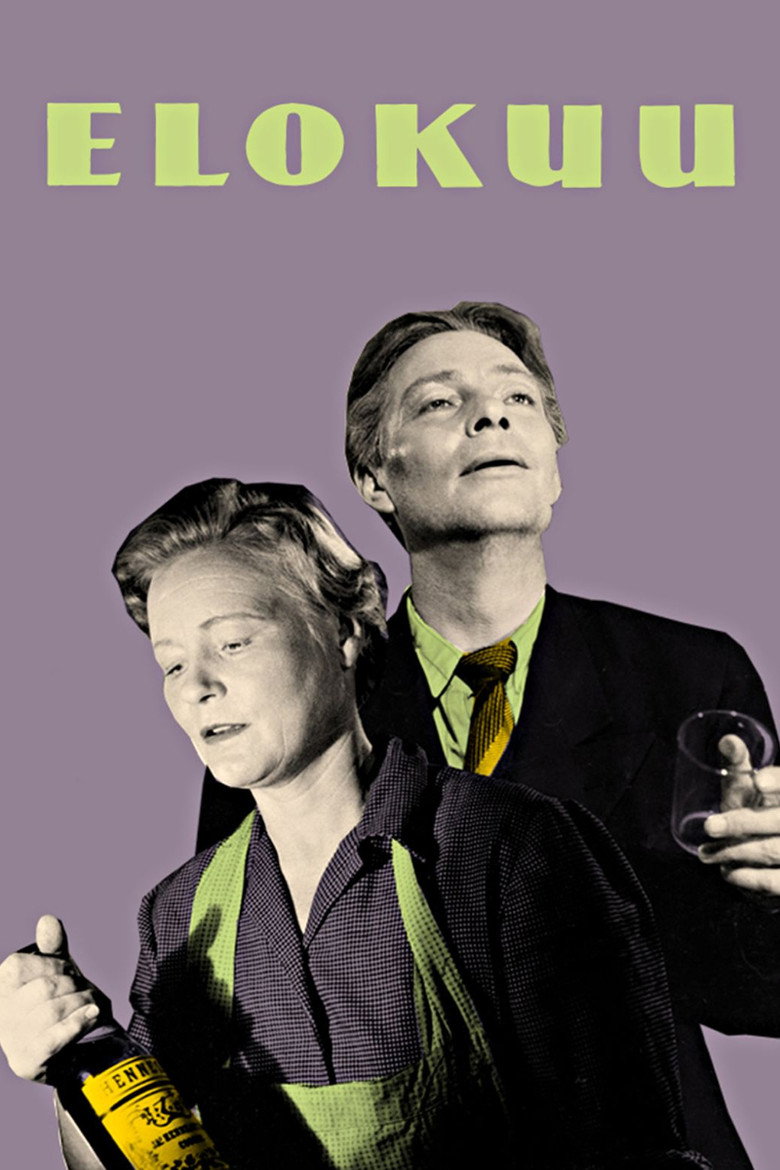
1956
Director
Matti Kassila
Runtime
94 minutes
Average Rating
No ratings yetSynopsis
The title of the Finnish film Elokuu translates to August. Directed by Matti Kassila, one of Finland's premiere filmmakers, Elokuu was adapted from a novel by Nobel prize winning finnish author F.E. Sillanpää. Simply put, the story concerns the decline and fall of a once-proud family, thanks to the alcoholism of its paterfamilias. Toivo Makela delivers a powerfully effective performance as the inebriated protagonist, avoiding the usual "drunken" cliches. The overlong running time, coupled with the downbeat nature of the subject, limited the film's worldwide appeal.
Overall Score
Limited
Category Breakdown
LGBTQ+ Representation
The film focuses on traditional familial structures and domestic decline. There is no evidence of LGBTQ+ characters or narratives that challenge heteronormativity.
Gender Representation
The story centers on the disintegration of a patriarchal unit. While the male protagonist avoids caricatured masculinity, female characters appear primarily as witnesses to the family's collapse.
Racial & Ethnic Diversity
The production reflects the homogeneous demographic reality of mid-century Finland. There is no evidence of non-white casting or the subversion of ethnic hierarchies.
Religious & Cultural Diversity
The narrative critiques the stability of the nuclear family by depicting its collapse through addiction. It focuses on individual psychological and moral struggles rather than broader political frameworks.
Disability Representation
Alcoholism is portrayed with dignity, avoiding common stereotypes. However, it remains unclear if this struggle provides character agency or simply drives the tragic plot.
Strengths
Areas for Improvement
AI Analysis
Matti Kassila’s adaptation of F.E. Sillanpää’s work is a somber study of social realism. It succeeds in providing a nuanced, non-clichéd portrayal of addiction and the breakdown of a once-proud family unit. However, the film is deeply rooted in the demographic and social constraints of 1950s Finland. This results in a lack of intersectional representation, focusing almost exclusively on a homogeneous, traditional social structure. While the film offers a sophisticated deconstruction of the idealized post-war family, it lacks the diversity of identity and perspective required for a higher score in modern contexts.
1956
1958

2009

1944
1952
1956

1955
1971
2001

2011
1992

2014
No reviews yet. Be the first to share your thoughts on this movie!
Use the rating form above to leave a star rating and optional review.