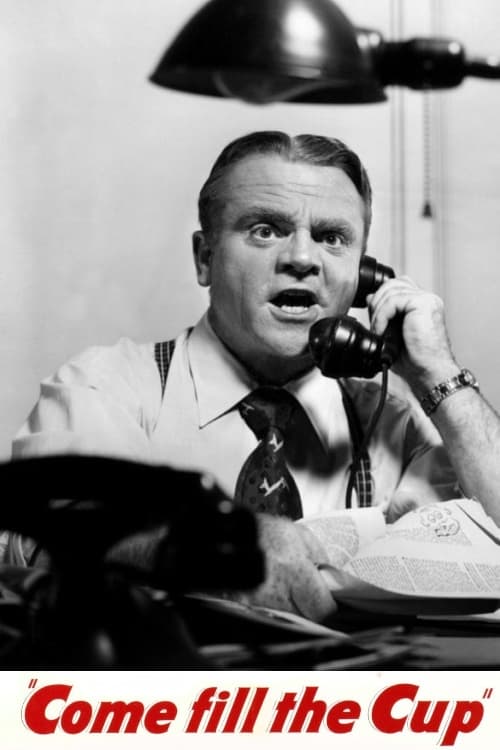
Come Fill the Cup
1951
No user ratings available yet
Diversity score: 3.0 out of 10
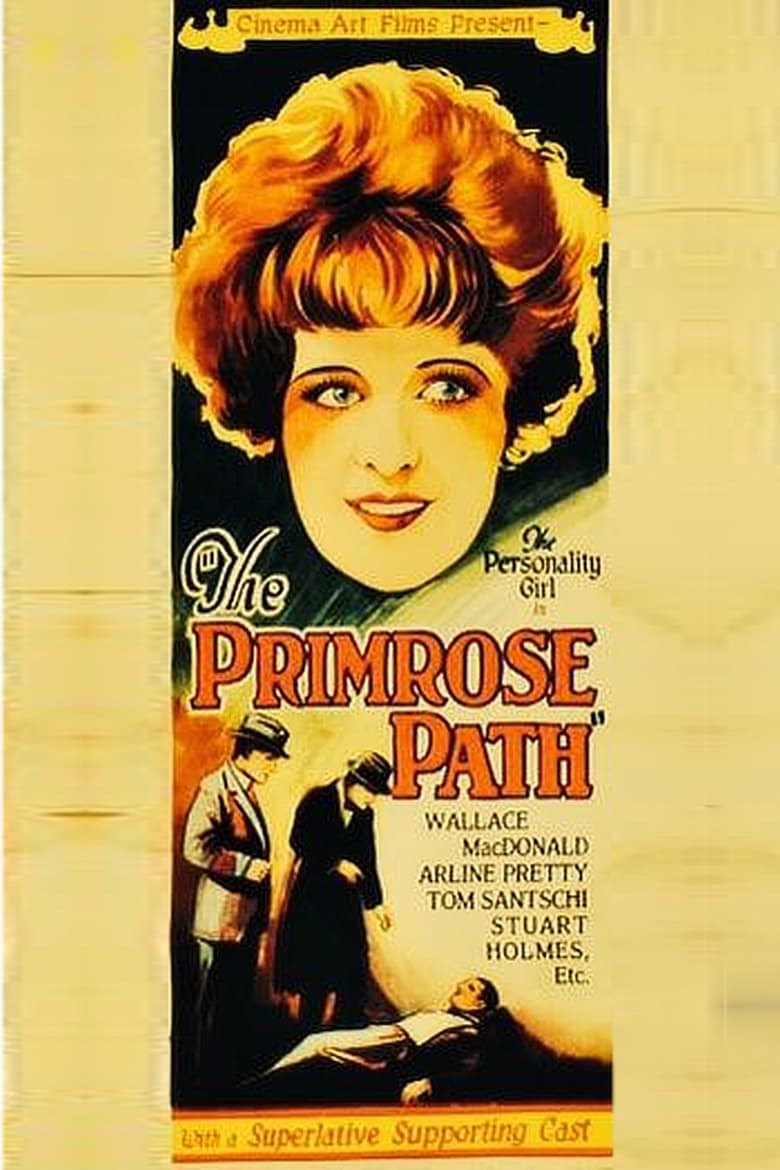
1925
Director
Harry O. Hoyt
Runtime
60 minutes
Average Rating
No ratings yetSynopsis
Alcoholic playboy Wallace MacDonald (as Bruce Armstrong) would like to sober up and become more responsible, after a drinking accident causes him to cripple little brother Pat Moore (as Jimmy Armstrong). Still, the lure of liquor makes him to sneak drinks at home, and go out partying with carefree showgirl Clara Bow (as Marilyn Merrill). He's promised Ms. Bow he'll quit drinking and gambling. Further complicating Mr. MacDonald's life are the bad checks he's been accumulating. Nasty Stuart Holmes (as Tom Canfield) and Tom Santschi (as "Big Joe" Snead) force MacDonald to join their diamond smuggling racket, in lieu of payment.
Overall Score
Limited
Category Breakdown
LGBTQ+ Representation
The film contains no discernible LGBTQ+ characters or non-cisnormative identities. The plot focuses entirely on traditional romantic and familial tensions.
Gender Representation
The narrative follows a traditional gender hierarchy. While Clara Bow's character possesses some social agency, the primary moral conflicts are driven by the male protagonist.
Racial & Ethnic Diversity
The film lacks racial diversity, reflecting the production standards of 1925. The cast and setting depict a homogeneous, Western, middle-class social milieu.
Religious & Cultural Diversity
The story reinforces traditional Western values and social responsibility. It uses moral lessons regarding alcoholism and gambling to promote a singular, era-specific moral clarity.
Disability Representation
Physical disability is used as a narrative catalyst to heighten the protagonist's guilt. The character's injury serves primarily as a plot device to drive moral stakes.
Strengths
Areas for Improvement
AI Analysis
The film is a quintessential 1925 melodrama that prioritizes the restoration of traditional social and moral orders. It functions as a moralistic tool, emphasizing personal responsibility over systemic critique. Representation is limited by the era's standards, focusing on a homogeneous social fabric. The narrative relies on conventional hierarchies and uses character setbacks to reinforce the necessity of social conformity. While it touches on physical disability and female agency, these elements are secondary to the male-driven plot. The work lacks intersectional complexity and diverse casting.
1951

1902
1932
1949
1928
1934
1932
1949
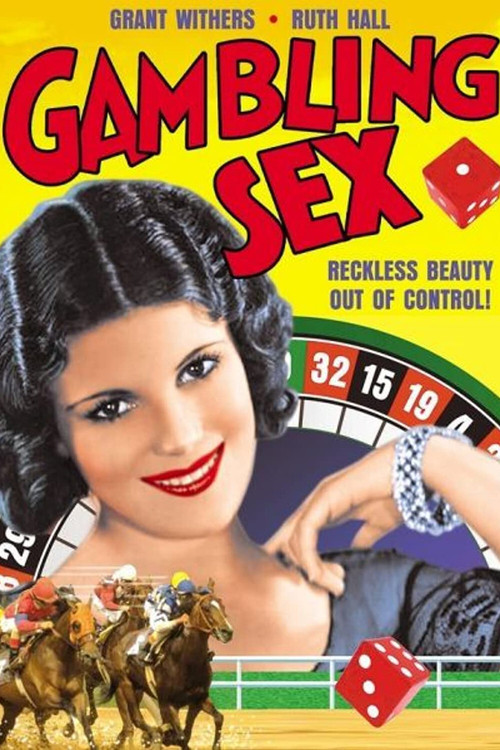
1932
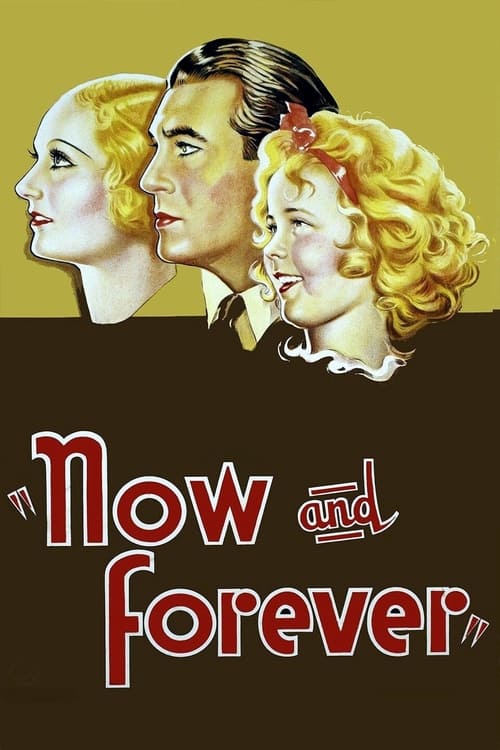
1934
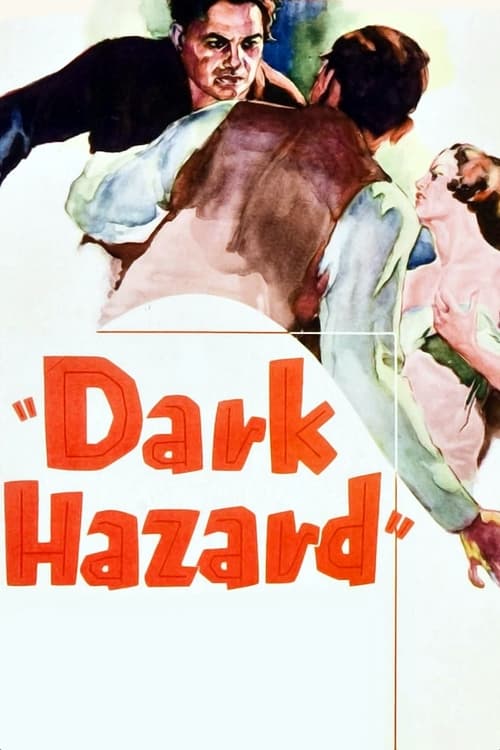
1934
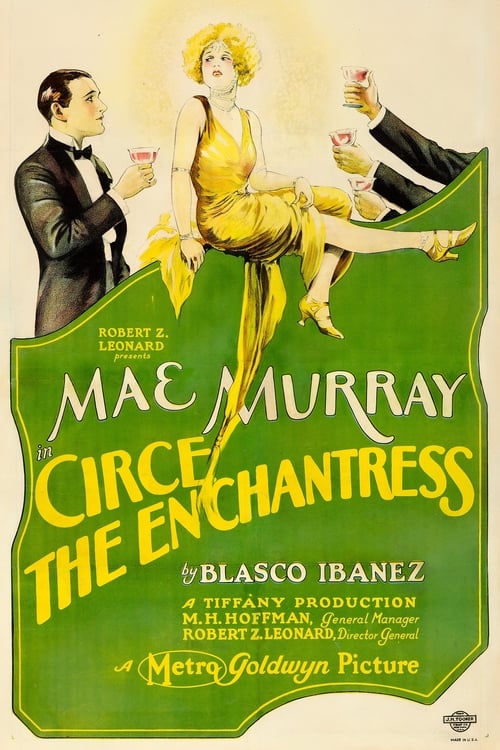
1924
No reviews yet. Be the first to share your thoughts on this movie!
Use the rating form above to leave a star rating and optional review.