The Men Who Made the Movies: Howard Hawks
1973
No user ratings available yet
Representation score: 4.6 out of 10
Representation Score
Fair
1990
TV-14Director
Kenneth Bowser
Runtime
75 minutes
Average Rating
No ratings yetNew Showbiz Analysis
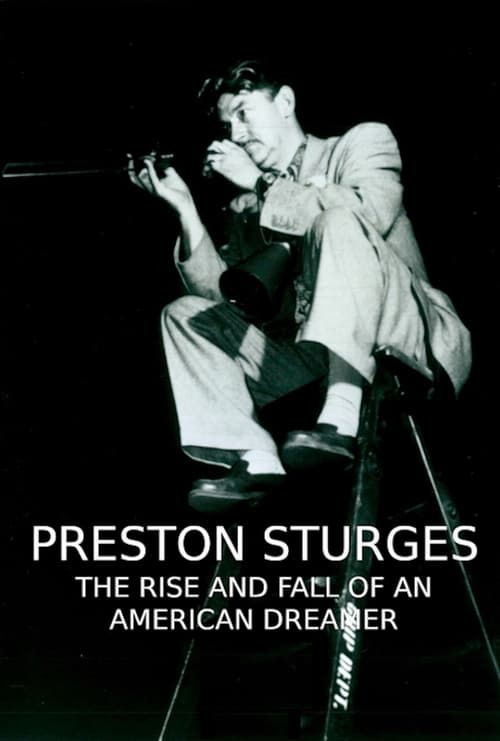
This biographical documentary offers a scholarly examination of a filmmaker who used satire to challenge societal norms. While the film explores the disruption of institutional hierarchies, it is inherently limited by the historical context of the 1930s and 1940s, resulting in low scores for racial and LGBTQ+ representation. The narrative successfully analyzes how Sturges's work critiqued class and capitalism. However, the documentary remains tied to the demographic realities of its time, reflecting the systemic limitations of the era.
Category Breakdown
The film mainly focuses on Preston Sturges's professional career and the Hollywood studio system. It does not include specific narratives centered on LGBTQ+ identity or explore queer themes implicitly.
The documentary highlights how Sturges's characters challenged mid-20th-century domestic expectations. It emphasizes the use of intelligent, sharp-witted women who disrupted traditional gender roles.
The subject matter centers on a historically homogeneous industry. The film reflects the era's standard casting norms and the exclusion of diverse racial and ethnic groups during the Golden Age of Hollywood.
The narrative deconstructs the 'American Dream' through Sturges's satirical lens. It critiques capitalism, class structures, and the instability of Western institutional success.
There is no evidence of physical or neurodivergent disability representation within this documentary.
Present on Screen
Limited or Absent
Official Synopsis
Documentary about the life and work of film director Preston Sturges.
1973
2017
2004
1982
2002
1996
2005

1998
No reviews yet. Be the first to share your thoughts on this movie!
Use the rating form above to leave a star rating and optional review.