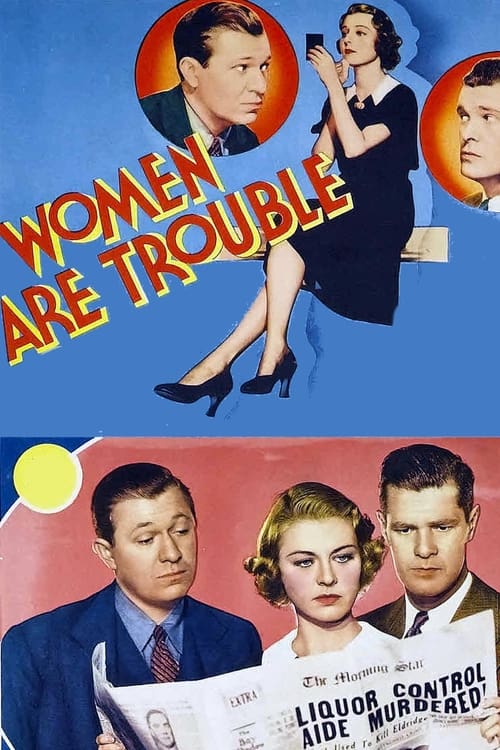
Women Are Trouble
1936
No user ratings available yet
Representation score: 1.0 out of 10

Representation Score
Limited
1938
ApprovedDirector
Gus Meins
Runtime
66 minutes
Average Rating
No ratings yetNew Showbiz Analysis
Ladies in Distress is a traditional period drama that adheres to the genre conventions of 1938. Its main strength lies in the moderate subversion of patriarchal leadership through the character of Josephine Bonney, a female mayor with significant authority. However, the film lacks multi-layered complexity. It operates within a framework that assumes everyone is straight or cisgender, showing no evidence of racial or ethnic diversity. The story focuses on maintaining civic order rather than challenging systemic hierarchies. Ultimately, while the female lead offers a progressive element for the era, the film remains a traditional narrative that lacks significant representation for LGBTQ+ individuals, diverse cultures, or people with disabilities.
Category Breakdown
The film does not include any characters with non-binary or LGBTQ+ identities. It follows a traditional storyline focused on law and order, typical of 1930s cinema.
Josephine Bonney stands out as a female mayor with significant civic authority, disrupting traditional gender roles. Despite a male protagonist handling physical enforcement, the key decision-making power belongs to a woman.
The story centers around a small town with no evidence of a racially or ethnically diverse cast. The film seems to adhere to the homogeneous casting practices of its time.
The plot emphasizes the importance of a civic leader maintaining order and addressing crime. It prioritizes the restoration of societal stability without questioning established social structures.
The narrative does not feature any characters with visible or invisible disabilities. There is no mention of neurodivergence or physical impairments.
Present on Screen
Limited or Absent
Official Synopsis
Alison Skipworth plays female mayor Josephine Bonney, at present having trouble dealing with her town's criminal element. Josephine enlists the aid of home town boy Braddock (Robert Livingston), a pretty tough customer himself, to take on the crooks.
1936
1933
1938
1958

1937
1938
1932
1931
No reviews yet. Be the first to share your thoughts on this movie!
Use the rating form above to leave a star rating and optional review.