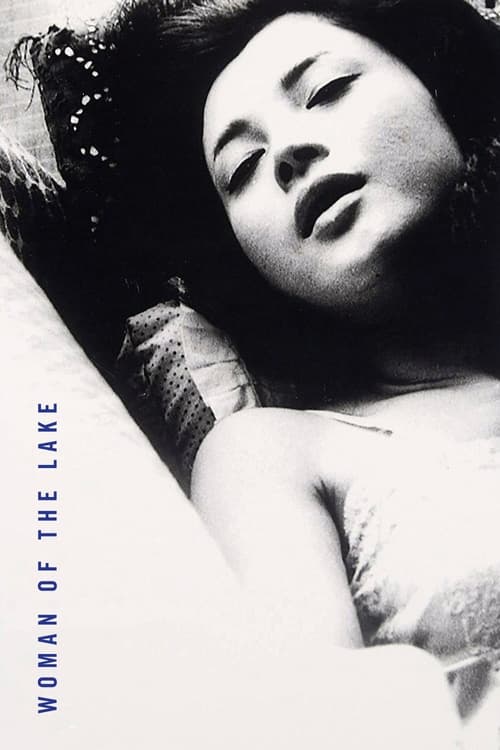
Woman of the Lake
1966
No user ratings available yet
Representation score: 5.9 out of 10

Representation Score
Fair
1964
Director
Yasuzō Masumura
Runtime
91 minutes
Average Rating
No ratings yetNew Showbiz Analysis
Manji stands out from traditional period dramas by breaking down rigid social hierarchies. Rather than upholding Confucian duties, the film highlights the carefree, hedonistic lifestyle of drifters. The film's strength lies in its critique of oppressive institutions. By focusing on characters who reject societal obligations, it shifts from traditional morality to a framework emphasizing individual ability to act. While the cast is ethnically uniform, the subversion of gender roles and social norms offers a progressive perspective on historical power structures.
Category Breakdown
The film centers on passionate and tumultuous romances filled with jealousy. It does not include explicit queer narratives or characters with non-traditional gender identities.
Women play key roles in driving the narrative, navigating blackmail and passion who play a significant role in driving the story. They challenge traditional submissive stereotypes.
The cast is made up of actors from similar ethnic backgrounds, reflecting the historical Edo period setting. The film avoids idealized archetypes by focusing on the lives of drifters.
The narrative criticizes institutional authority by prioritizing personal freedom over Shogunate social rules. It portrays anti-social behavior as a form of liberation.
The film does not focus on physical or neurological differences among characters.
Present on Screen
Limited or Absent
Official Synopsis
The four principals in a love affair collide when jealousy, blackmail and suicide enter the picture.
1966

1957

1967
1951
1969
1962
1961

1967
No reviews yet. Be the first to share your thoughts on this movie!
Use the rating form above to leave a star rating and optional review.