
Tupac: Live at the House of Blues
2005
No user ratings available yet
Diversity score: 6.3 out of 10
2014
PGDirector
David Czarnetzki
Runtime
95 minutes
Average Rating
No ratings yetSynopsis
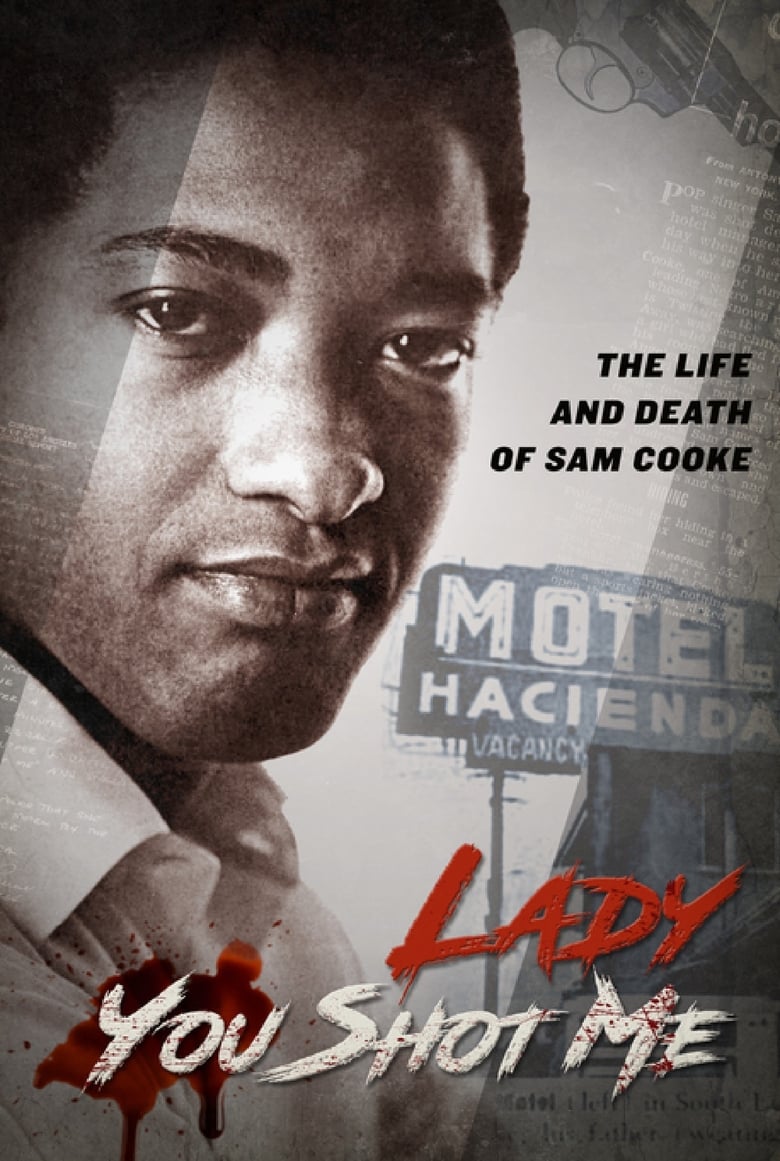
Sam Cooke died at the age of 33 on December 11, 1964, at the Hacienda Motel, at 9137 South Figueroa Street, in Los Angeles, California. Answering separate reports of a shooting and of a kidnapping at the motel, police found Cooke's body, clad only in a sports jacket and shoes but no shirt, pants or underwear. He had sustained a gunshot wound to the chest, which was later determined to have pierced his heart. The motel's manager, Bertha Franklin, said she had shot Cooke in self-defense after he broke into her office residence and attacked her. Her account was immediately questioned and disputed by acquaintances.
Overall Score
Good
Category Breakdown
LGBTQ+ Representation
The film focuses on Sam Cooke's biography and tragic end. There is no explicit evidence regarding the inclusion of LGBTQ+ characters or critiques of heteronormativity.
Gender Representation
The narrative examines the conflicting accounts between Cooke and Bertha Franklin. It explores power dynamics through the lens of a female manager's self-defense claims versus a male public figure's agency.
Racial & Ethnic Diversity
The documentary centers on a pivotal Black icon. It investigates his death within the context of 1960s racial tensions, challenging sanitized historical accounts of the era.
Religious & Cultural Diversity
The film engages with themes of systemic injustice and the fallibility of official narratives. It investigates the disputed circumstances of Cooke's death and institutional involvement.
Disability Representation
There is no evidence suggesting that physical disabilities or mental health conditions serve as central narrative drivers in this documentary.
Strengths
Areas for Improvement
AI Analysis
This documentary serves as a restorative narrative by centering the life of Sam Cooke, a Black musical icon. It provides significant racial agency by investigating a death deeply intertwined with the systemic pressures and racial tensions of 1960s Los Angeles. The film's strength lies in its willingness to question established institutional accounts and the official handling of Cooke's death. This approach disrupts conventional historical perspectives and engages with themes of systemic injustice. However, the film remains constrained by its biographical format. It lacks explicit focus on LGBTQ+ representation or disability, and its exploration of gender is grounded more in historical reconstruction than active subversion.
2005
2007
2014
2015

2014

2014

2016

1996

2000

2002

2015

2017
No reviews yet. Be the first to share your thoughts on this movie!
Use the rating form above to leave a star rating and optional review.