Elvis Costello: Mystery Dance
2013
No user ratings available yet
Diversity score: 4.8 out of 10
2015
UnratedDirector
Jeanie Finlay
Runtime
86 minutes
Average Rating
No ratings yetSynopsis
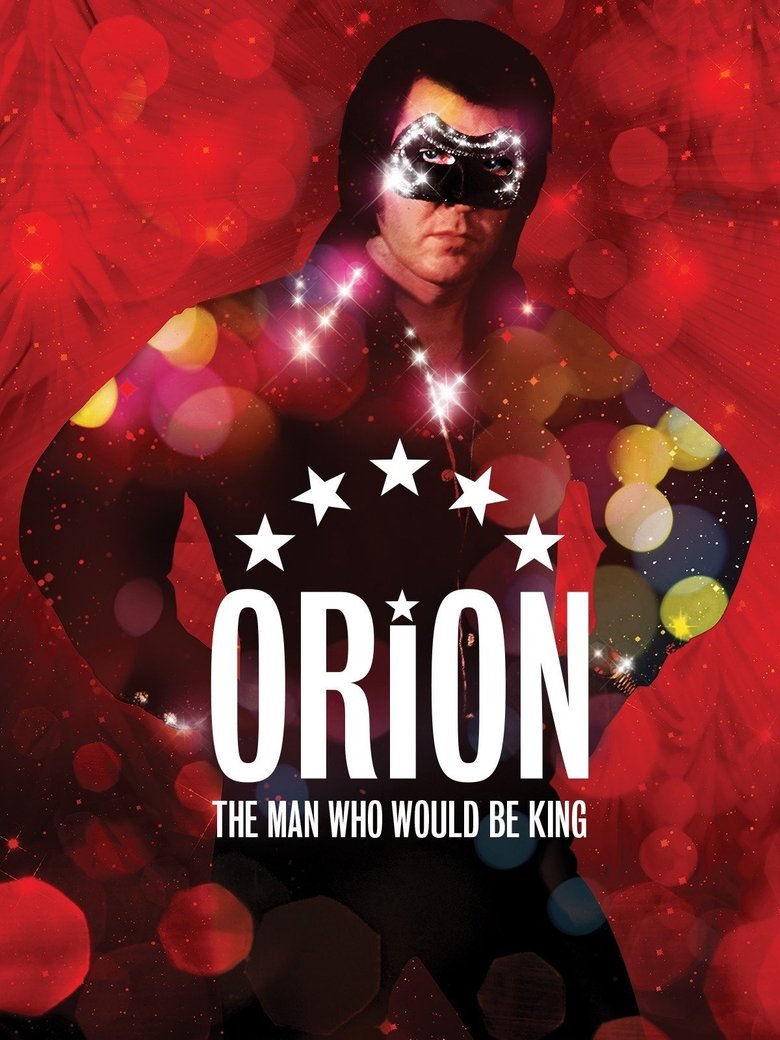
August 16, 1977. All of America was stunned by the news of Elvis Presley's untimely passing. Some went so far as to believe that it couldn't be true. Somehow he had faked his death. For the executives at Sun Records that fantasy became an opportunity in the form of Orion, a mysterious masked performer with the voice of The King. First appearing in 1979, Orion recorded 11 albums and performed live to packed houses and rapturous fans around the nation. But who was the man behind the mask? In this stranger-than-fiction true story, Jeanie Finlay exposes the incredible life of an unknown singer plucked from obscurity and thrust into the spotlight with the complicity of a manipulative music industry and a public fan base unwilling to let The King go. Resonant in its themes of identity, fate, and the double-edged nature of fame, Orion is a stylish mystery story that finally gives a name and a face to a gifted artist who had been unjustly deprived of both.
Overall Score
Fair
Category Breakdown
LGBTQ+ Representation
The film explores the fluidity of public personas and masked identities. However, it lacks explicit queer characters or direct LGBTQ+ narratives.
Gender Representation
The documentary critiques patriarchal structures within the 1970s music industry. It examines how masculine archetypes are manufactured and consumed by industry executives.
Racial & Ethnic Diversity
While rooted in Black musical traditions, the focus remains on white-dominated industry machinery. The film highlights musical appropriation through subtext rather than diverse casting.
Religious & Cultural Diversity
The narrative provides a sharp critique of Western capitalist institutions. It deconstructs the American Dream by portraying the music industry as a predatory, commodifying system.
Disability Representation
There is no discernible evidence regarding the portrayal of physical or neurodivergent disabilities in this work.
Strengths
Areas for Improvement
AI Analysis
Orion: The Man Who Would Be King is a systemic critique of fame rather than a study of demographic plurality. It succeeds by deconstructing how corporate entities manipulate identity and exploit artists for profit. The film's strength lies in its investigative approach to institutional power. It moves beyond simple biography to examine the mechanics of the music industry and the hollow nature of celebrity culture. However, the documentary lacks direct representation of marginalized groups. The focus on the white-dominated Sun Records era and the Elvis mythos limits its racial and LGBTQ+ breadth.
2013
2001
2022
2012
1967
2017

2015

2021
2007
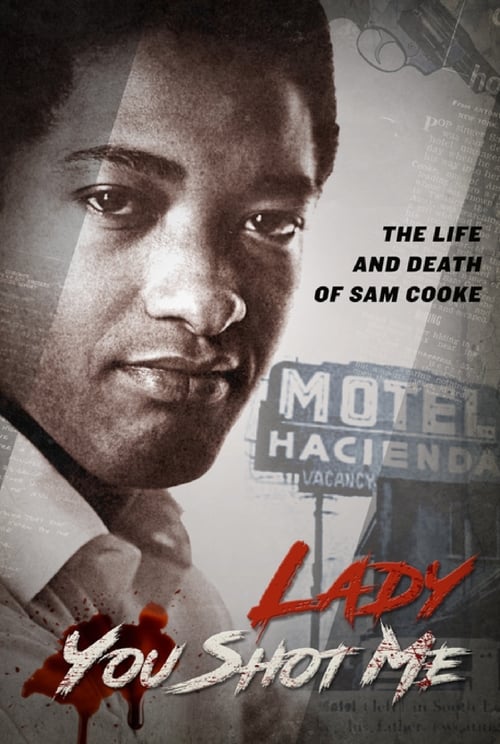
2014
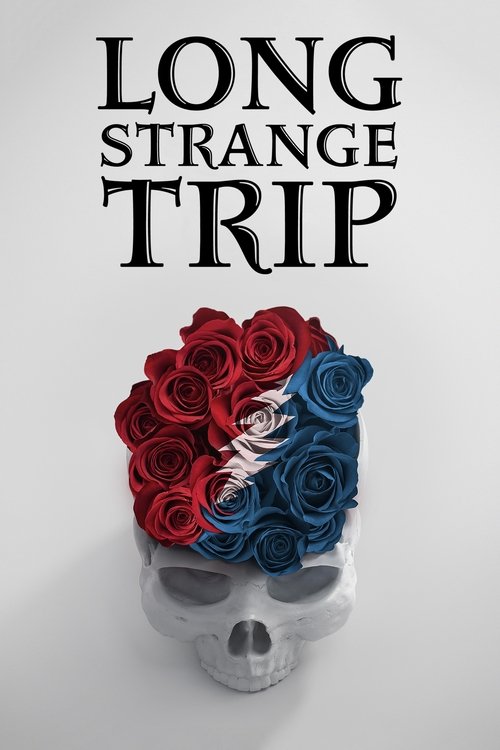
2017
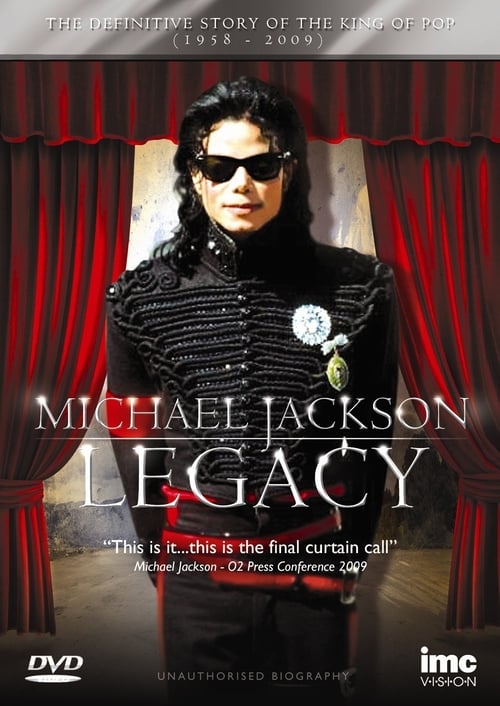
2009
No reviews yet. Be the first to share your thoughts on this movie!
Use the rating form above to leave a star rating and optional review.