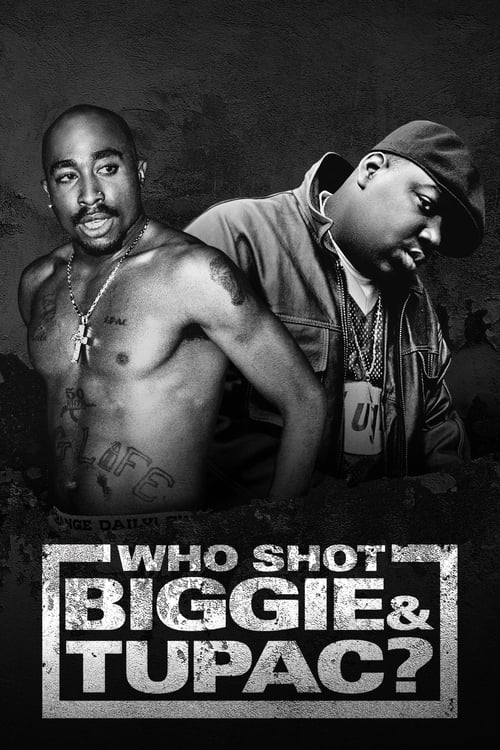
Who Shot Biggie & Tupac
2017
No user ratings available yet
Representation score: 5.7 out of 10
Representation Score
Fair
2002
RDirector
Nick Broomfield
Runtime
107 minutes
Average Rating
No ratings yetNew Showbiz Analysis
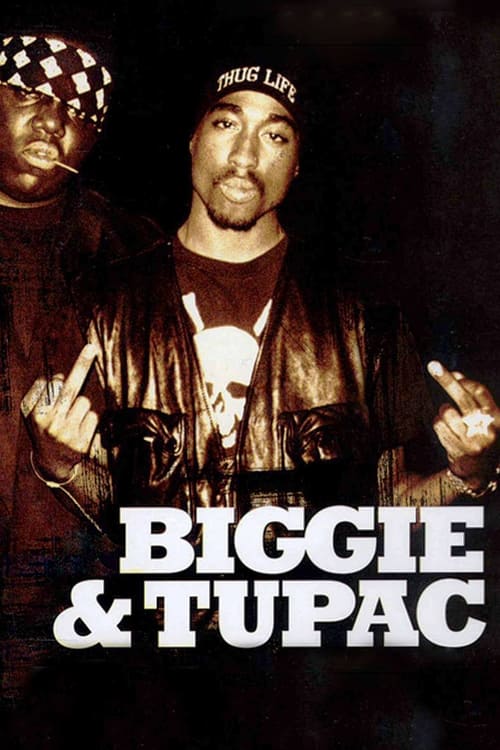
Biggie & Tupac works as a critique of institutional authority. By focusing on Black cultural narratives and the socio-economic realities of hip-hop icons, it offers a needed disruption to traditional, Anglo-centric true-crime storytelling. However, the film is limited by its specific historical context. The hyper-masculine, male-dominated landscape of the 1990s rap industry leads to a lack of gender and LGBTQ+ diversity. Ultimately, the documentary's strength lies in its examination of how systemic corruption and identity-based power struggles shape reality, even though it remains narrow in its demographic scope.
Category Breakdown
The film focuses on a male-dominated environment typical of 1990s hip-hop. There are no LGBTQ+ characters or stories about non-cisgender identities.
The story centers around male figures and lacks women's ability to drive the story. Central conflicts are driven by male investigators and industry leaders, not women.
The documentary offers a deep look at Black American culture and socio-economic issues. It challenges traditional true-crime narratives by highlighting the lives and systemic vulnerabilities of Black icons.
The film questions Western institutions, showing law enforcement as possibly corrupt. It explores moral relativism by comparing street codes to official laws.
The film does not show physical or neurodivergent disabilities as part of its main story.
Present on Screen
Limited or Absent
Official Synopsis
In 1997, rap superstars Tupac Shakur and Christopher Wallace (aka Biggie Smalls, The Notorious B.I.G.) were gunned down in separate incidents, the apparent victims of hip hop's infamous east-west rivalry. Nick Broomfield's film introduces Russell Poole, an ex-cop with damning evidence that suggests the LAPD deliberately fumbled the case to conceal connections between the police, LA gangs and Death Row Records, the label run by feared rap mogul Marion "Suge" Knight.
2017
2003
2015
2021

2016
2018

2005

2005
No reviews yet. Be the first to share your thoughts on this movie!
Use the rating form above to leave a star rating and optional review.