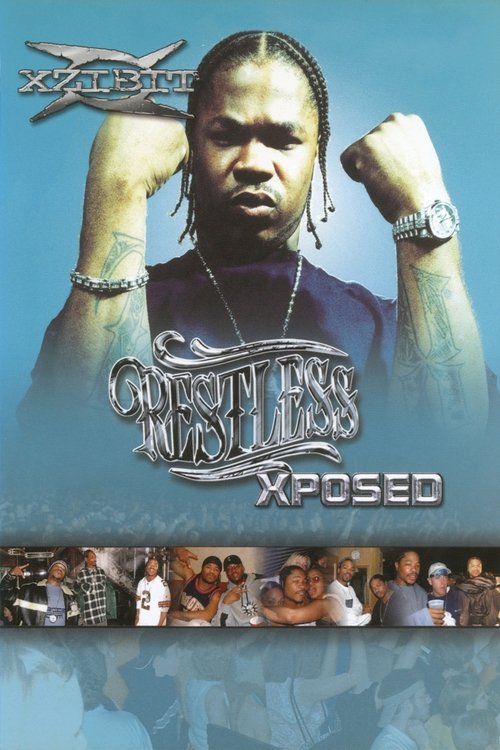
Xzibit | Restless Xposed
2001
No user ratings available yet
Representation score: 4.2 out of 10

Representation Score
Fair
2005
NRDirector
J. Kevin Swain
Runtime
118 minutes
Average Rating
No ratings yetNew Showbiz Analysis
This concert documentary serves as a key historical record of hip-hop culture. Its main strength lies in its authentic representation of Black ability to act and disruption of mainstream media hierarchies through Tupac Shakur's artistry. However, as a non-scripted musical event, it lacks the narrative structure needed to explore multi-layered identity politics, such as LGBTQ+ representation or subversion of gender roles. Ultimately, the film's diversity is driven by its racial and ethnic visibility rather than structured social commentary.
Category Breakdown
The film does not include explicit LGBTQ+ characters or storylines. This is common for hip-hop documentaries from the era.
The performance focuses on a male protagonist and traditional masculinity. It does not challenge established gender roles.
The work highlights Black artistry by featuring a Black icon like Snoop Dogg. It emphasizes Black cultural excellence and ability to act.
The film captures raw hip-hop culture that often critiques Western power structures. However, it does not have structured anti-capitalist narratives.
There is no depiction of individuals with physical or neurodivergent disabilities in the performance or documentation.
Present on Screen
Limited or Absent
Official Synopsis
Tupac Shakur’s final performance, the July 4, 1996 concert at the House of Blues. Tupac: Live at The House of Blues is an all out hip house party on stage and a final chance to catch Tupac at the top of his game before his untimely death. Aided by appearances from Snoop Dogg and a booming lossless soundtrack, this one should please hip hop lovers for sure.
2001
2003
2002

2021

2016
2017
2017

2009
No reviews yet. Be the first to share your thoughts on this movie!
Use the rating form above to leave a star rating and optional review.