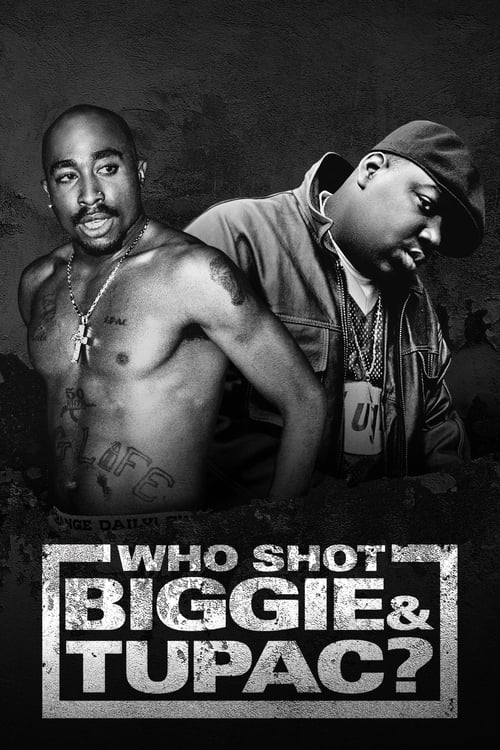
Who Shot Biggie & Tupac
2017
No user ratings available yet
Representation score: 5.7 out of 10
Representation Score
Fair
2015
Not RatedDirector
Michael Dorsey
Runtime
113 minutes
Average Rating
No ratings yetNew Showbiz Analysis
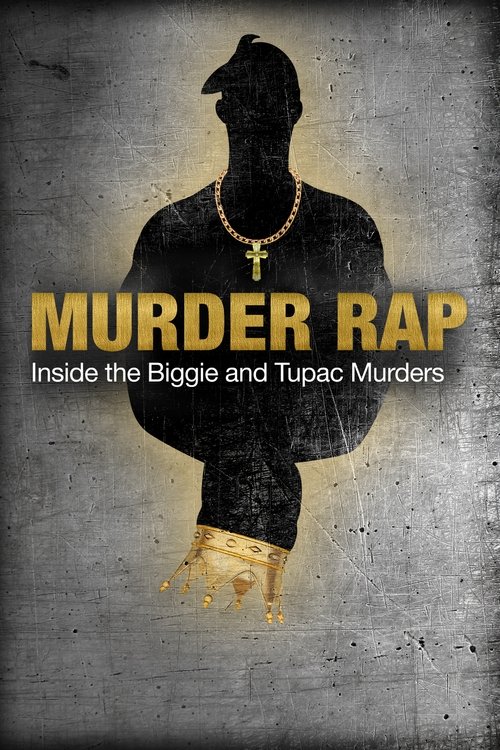
Murder Rap serves as a forensic examination of hip-hop history, emphasizing the representation of its subjects. The film's strength lies in its focus on Black historical ability to act and its exploration of institutional power dynamics through police files and confessions. However, the documentary remains tied to traditional hierarchies. Its focus on hyper-masculine rap environments and male-centric investigative structures limits the scope of gender and LGBTQ+ representation. Ultimately, the work stands as a significant cultural document. It challenges conventional historical narratives by examining how systemic failures affect Black icons, even if it lacks intentional narrative subversion regarding other identities.
Category Breakdown
The film focuses on the biographies of Tupac Shakur and Biggie Smalls. It does not specifically address non-cisgender identities or challenge assumptions that everyone is straight or cisgender.
The story revolves around male-dominated spaces such as 1990s rap culture and police task forces. It does not give women significant roles or challenge traditional gender roles.
The documentary excels by focusing on Black cultural icons and the systemic issues faced by Black individuals. It offers a nuanced look at how Black lives are affected by institutional frameworks.
The film explores themes of systemic instability and the tension between personal identity and institutional power. It implicitly criticizes the failures of law enforcement to protect prominent cultural figures.
There is no significant portrayal of visible or invisible disabilities within the documentary.
Present on Screen
Limited or Absent
Official Synopsis
Two of the most notorious unsolved cases in the history of American crime – the murders of renowned rap stars Tupac Shakur and Biggie Smalls – have been the subject of exhaustive investigations, relentless speculation, and a web of conspiracy theories and dark secrets. Now, for the first time, the true story behind these sensational cases is laid bare in "Murder Rap: Inside the Biggie and Tupac Murders". Using information sourced from hundreds of police case files, taped confessions never shown before, and interviews with the lead detective and witnesses, this is the riveting account of the task force that finally exposed the shocking truth behind the deaths of these two rap music icons.
2017
2018
2002

2016

2005
2021
2014
2011
No reviews yet. Be the first to share your thoughts on this movie!
Use the rating form above to leave a star rating and optional review.