Good Will to Men
1955
No user ratings available yet
Representation score: 3.6 out of 10
Representation Score
Fair
1964
Director
René Laloux
Runtime
10 minutes
Average Rating
No ratings yetNew Showbiz Analysis
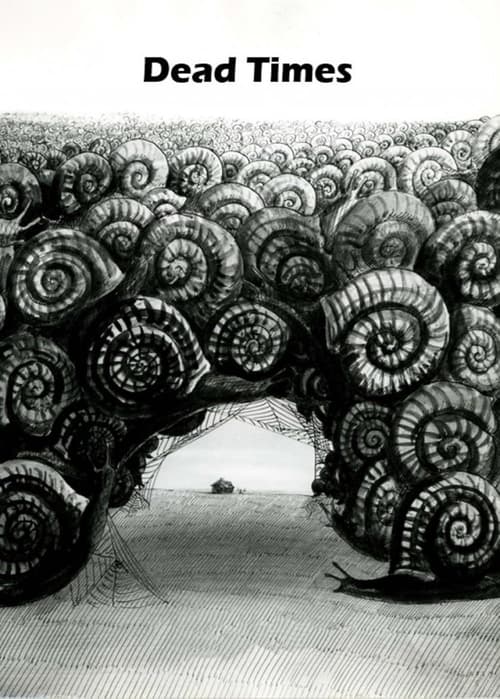
Dead Times is an intellectual exercise that prioritizes philosophical subversion over demographic representation. It uses surreal drawings and stock footage to critique the destructive patterns of war and social organization. The film's strength lies in its cultural critique, specifically its ability to challenge the sanctity of Western institutions and the concept of human progress. However, the work lacks the character-driven ability to act necessary for higher scores in identity-based categories. The focus on large-scale human behavior results in a neutral absence of specific LGBTQ+, gender, or racial narratives.
Category Breakdown
The film's experimental, non-narrative structure focuses on large-scale human behaviors like war and hunting. Since it avoids personal relationships, there is no specific LGBTQ+ character development or identity-focused stories.
The film looks at humanity as a whole through historical images of conflict. It uses traditional, archetypal depictions of humans and provides little evidence of intentional challenges to gender hierarchies.
While the montage shows a wide range of human activities, the visual style is based in mid-century European avant-garde traditions. It does not explicitly highlight non-Western or perspectives that reflect multiple aspects of identity.
The film demonstrates progressive intent by criticizing Western institutional stability. It uses surrealist imagery to challenge the perceived morality of civilization, presenting human progress as a cycle of inherent dysfunction.
As a philosophical montage of human history and behavior, the film contains no specific depictions of characters with disabilities to evaluate.
Present on Screen
Limited or Absent
Official Synopsis
What is man? Man makes war, man kills man, man hunts, man is executed. A montage mixing original drawings by Topor, original shots and stock shots that ironically analyze what man is.
1955
1973
1966
1986
1970
2014
2018
2015
No reviews yet. Be the first to share your thoughts on this movie!
Use the rating form above to leave a star rating and optional review.