Butterfly
1967
No user ratings available yet
Representation score: 6.3 out of 10
Representation Score
Fair
1970
Director
Lev Atamanov
Runtime
9 minutes
Average Rating
No ratings yetNew Showbiz Analysis
This animated drama serves as a historical record of Soviet wartime mobilization. It excels in challenging traditional gender hierarchies by highlighting women’s roles in heavy industry and logistics. However, the film lacks depth in representing diverse identities. It does not include any LGBTQ+ characters or those with disabilities, focusing instead on an idealized, able-bodied workforce. While the ethnic focus is primarily Slavic, this reflects the specific historical context of the era’s mobilization. The film’s strength lies in promoting collectivist and anti-fascist values over individual pursuits.
Category Breakdown
The film does not include any LGBTQ+ characters or narratives. It focuses solely on traditional family units and the collective workforce in mid-20th-century Soviet society.
Women are shown as key drivers of production rather than domestic figures. The narrative emphasizes their intellectual and physical capabilities in handling high-stakes industrial tasks.
The characters are primarily Slavic, reflecting the ethnic demographics of the Soviet Union in the 1940s. The film does not feature the multi-ethnic blending seen in modern media.
The film promotes secularism and collectivist ideals, prioritizing the state over individual pursuits. It frames the struggle through an anti-fascist lens emphasizing community strength.
There is no significant representation of characters with disabilities. The narrative centers on idealized, able-bodied workers capable of meeting rigorous wartime production demands.
Present on Screen
Limited or Absent
Official Synopsis
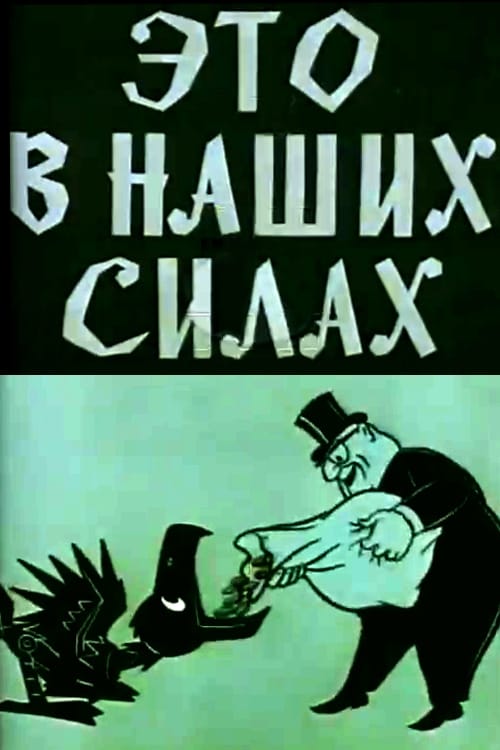
An anti-war film about the ability of individuals to prevent war.
1967
1983
1969

1936

1983
1972
1941
1972
No reviews yet. Be the first to share your thoughts on this movie!
Use the rating form above to leave a star rating and optional review.