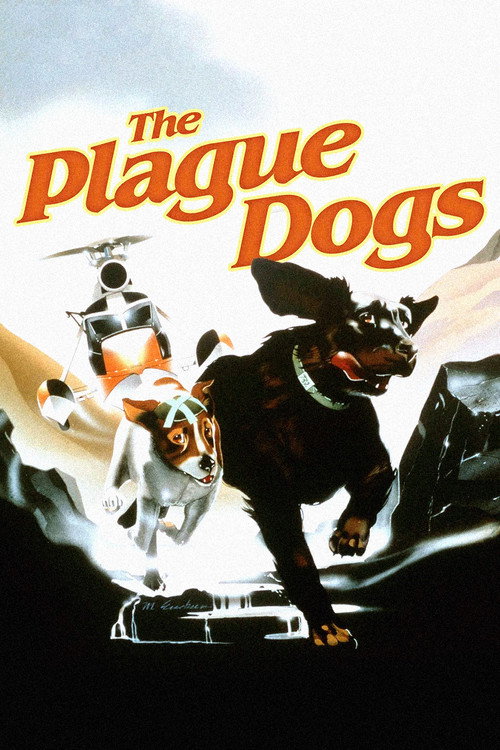
The Plague Dogs
1982
No user ratings available yet
Representation score: 4.8 out of 10
Representation Score
Fair
1978
PGDirector
Martin Rosen
Runtime
92 minutes
Average Rating
No ratings yetNew Showbiz Analysis
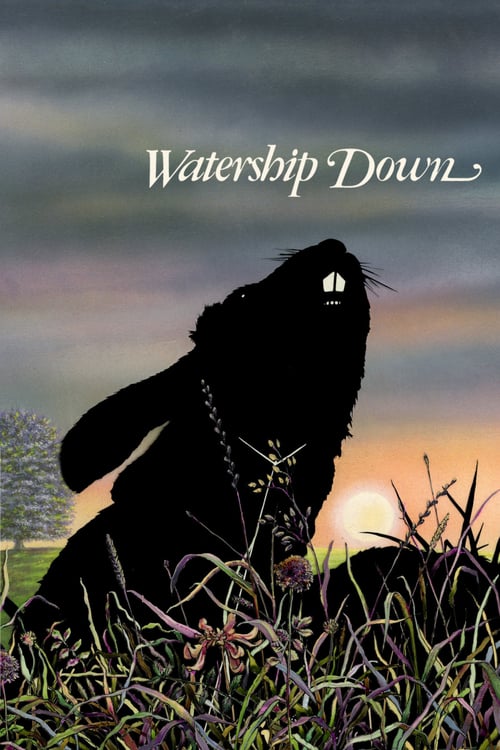
Watership Down is a deep exploration of power dynamics rather than human identity markers. It uses an animal allegory to deconstruct political authority, portraying centralized institutions as predatory and destructive. The film's strength lies in its sophisticated critique of totalitarianism. By contrasting cooperative leadership with autocratic regimes, it promotes a model of social organization based on mutual aid. However, the work lacks direct representation of LGBTQ+ identities or non-cisgender characters. The narrative remains focused on biological imperatives and masculine leadership archetypes, limiting multi-layered nuance.
Category Breakdown
The film focuses solely on biological and survival themes. There are no depictions of non-straight or non-cisgender identities or same-sex relationships.
The main characters are mostly male, with Hazel, Bigwig, and Fiver playing key roles. Female characters play supporting roles and do not drive the story.
Since the film features animal characters, there are no human racial markers. However, the species-based casting serves as a metaphor for diverse social groups.
The film effectively critiques traditional power structures. It contrasts cooperative communities against militarized, oppressive regimes like Efrafa.
The film explores Fiver's heightened intuition, which drives the plot. This is portrayed more as a prophetic insight than a detailed look at neurodivergence.
Present on Screen
Limited or Absent
Official Synopsis
When the warren belonging to a community of rabbits is threatened, a brave group led by Fiver, Bigwig, Blackberry and Hazel leave their homeland in a search of a safe new haven.
1982

1997

1986
1982

1988

1993
1997
1982
No reviews yet. Be the first to share your thoughts on this movie!
Use the rating form above to leave a star rating and optional review.