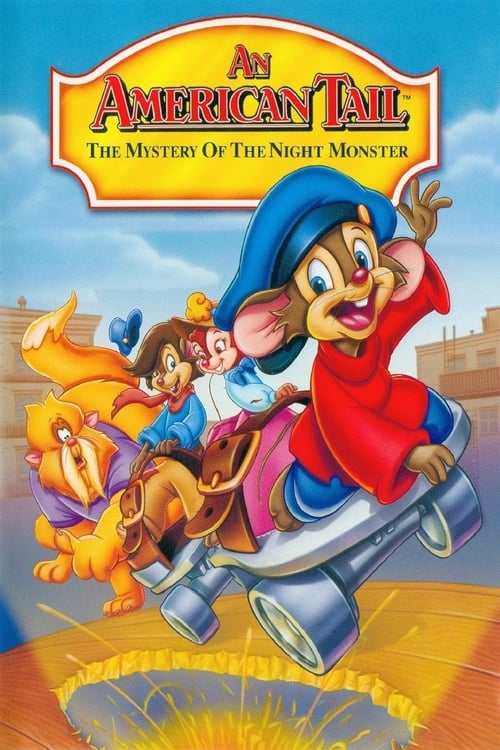
An American Tail: The Mystery of the Night Monster
1999
No user ratings available yet
Representation score: 3.7 out of 10
Representation Score
Limited
1998
GDirector
Larry Latham
Runtime
78 minutes
Average Rating
No ratings yetNew Showbiz Analysis
The film excels at using allegory to address heavy themes like post-colonialism and systemic displacement. By framing the immigrant experience through the lens of prejudice and the erasure of indigenous populations, it moves beyond a simple children's adventure. However, the film remains tied to traditional social structures. Gender dynamics are conventional, focusing on a male protagonist, and the narrative lacks any representation of LGBTQ+ identities or characters with disabilities. Ultimately, the work is a sophisticated social metaphor that balances a standard adventure plot with a meaningful critique of the American Dream and industrial expansion.
Category Breakdown
The film does not include any LGBTQ+ characters or explore non-traditional sexual or gender identities. The story focuses on traditional family reunification.
The narrative centers around a male-driven quest, with female characters like Tanya playing traditional familial roles. While it avoids overt sexism, it maintains conventional gender roles.
The film uses mice as stand-ins for Jewish immigrants to critique systemic discrimination. Including Native American mice offers a sophisticated critique of colonial displacement of indigenous peoples.
The story critiques 19th-century capitalist systems and the struggles of the working class. It portrays the immigrant experience as a complex negotiation with a hostile social order.
There is no evidence of characters navigating visible or invisible disabilities as central narrative drivers.
Present on Screen
Limited or Absent
Official Synopsis
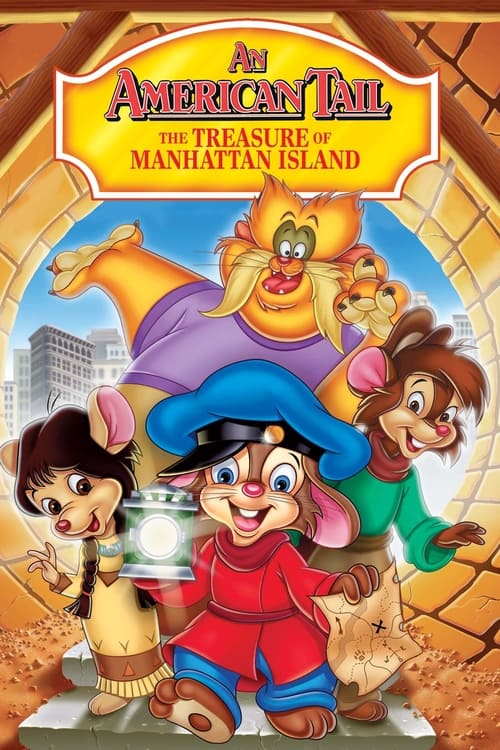
Fievel and his friend Tony Toponi find a map that they believe points to a treasure buried somewhere beneath Old New York, and the plucky rodent is determined to find it. However, what he discovers under the city is a tribe of Native American mice who were driven underground by prejudiced European immigrants.
1999

1997
1991

1993
1986

2003
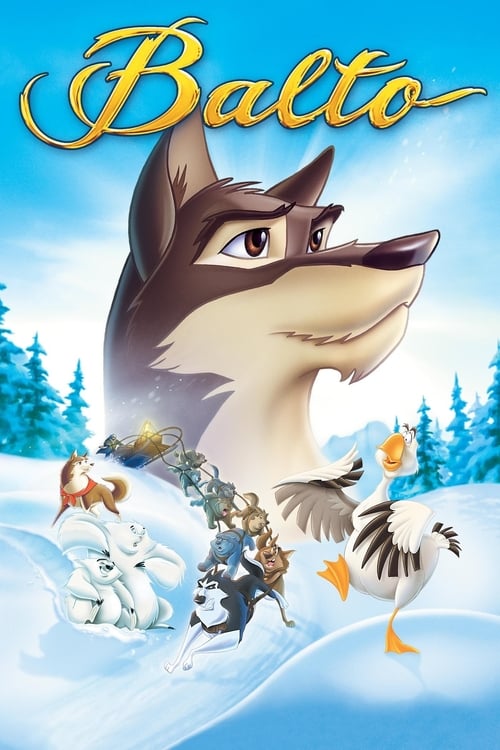
1995

2007
No reviews yet. Be the first to share your thoughts on this movie!
Use the rating form above to leave a star rating and optional review.