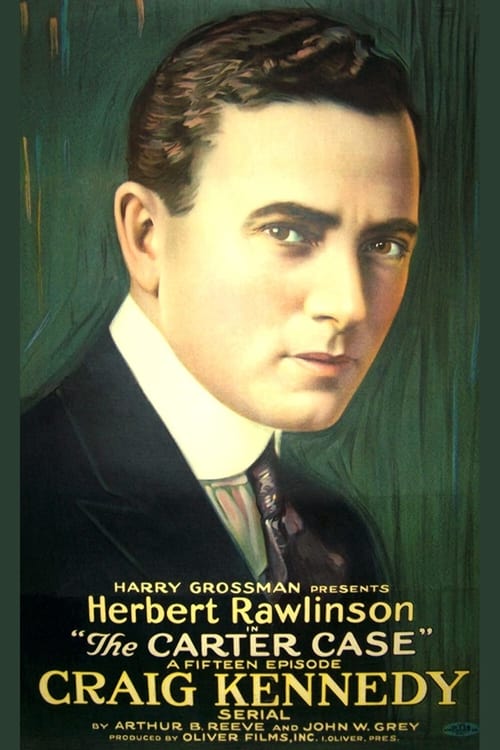
The Carter Case
1919
No user ratings available yet
Representation score: 0.4 out of 10
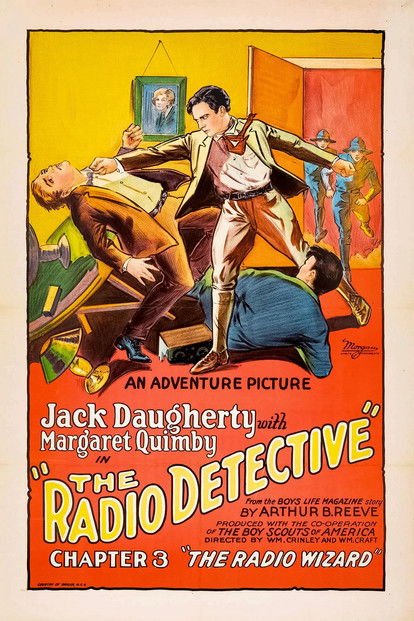
Representation Score
Minimal
1926
PassedDirector
William James Craft, William A. Crinley
Runtime
198 minutes
Average Rating
No ratings yetNew Showbiz Analysis
The Radio Detective operates within the conventional social and moral frameworks of the mid-1920s. It emphasizes established hierarchies and traditional storytelling clichés common to Universal serials of the time. Representation is minimal across all categories, focusing on a standard, homogeneous cast and traditional Western values. The film reflects the limited cinematic landscape of its era.
Category Breakdown
The film does not include any LGBTQ+ characters or stories. It follows the traditional heterosexual norms typical of 1920s action serials.
Female roles likely adhere to traditional gender roles. Although the serial format sometimes allows for more active women, there is no evidence of significant female influence here.
The casting seems to be uniform and focused on Anglo characters. The story likely centers on white protagonists as the main agents of justice.
The story upholds traditional Western values and social order. There is no indication of anti-institutional or secular themes.
There is no evidence of characters with disabilities portrayed with real influence. Any such depictions would likely be caricatures rather than nuanced portrayals.
Present on Screen
Limited or Absent
Official Synopsis
Film serial from Universal.
1919
1924
1926
1926
1940

1937

1919
1931
No reviews yet. Be the first to share your thoughts on this movie!
Use the rating form above to leave a star rating and optional review.