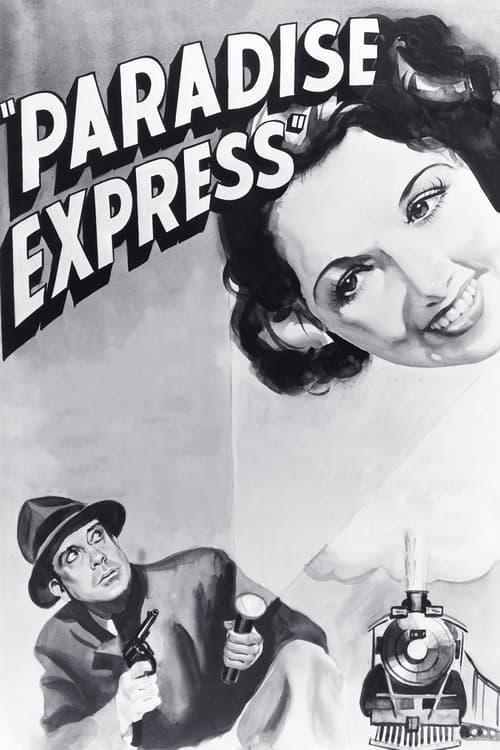
Paradise Express
1937
No user ratings available yet
Representation score: 0.8 out of 10
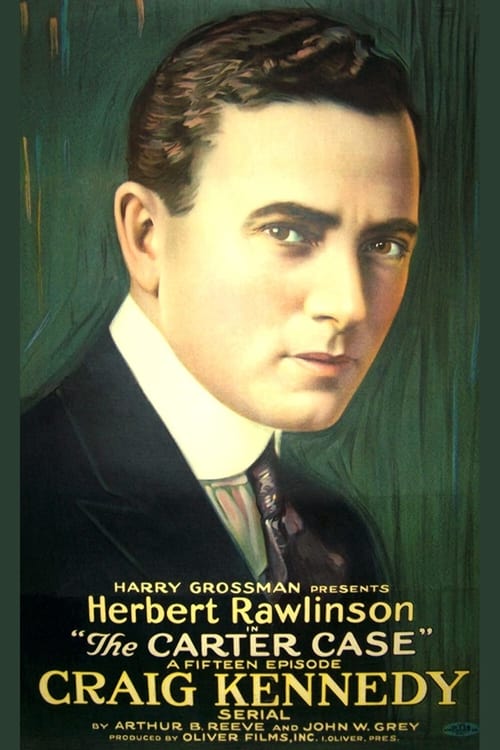
Representation Score
Minimal
1919
PassedDirector
William F. Haddock, Donald MacKenzie
Runtime
310 minutes
Average Rating
No ratings yetNew Showbiz Analysis
The Carter Case is a product of its historical context, operating within the typical social and narrative conventions of the early silent film era. The film lacks the complexity of intersecting identities or critiques of systemic issues, favoring a traditional approach to storytelling. Due to the era's censorship and social norms, the production adheres to the standard demographic and moral frameworks of 1919. The absence of diverse character arcs suggests a reliance on the era's established cinematic formulas.
Category Breakdown
The film does not include any representation of LGBTQ+ identities or same-sex relationships. It likely adheres to the assumption that everyone is straight or cisgender, which was common in the early 1900s.
Women in the film do not seem to challenge traditional gender roles. Without evidence of women taking a leading role in driving the story, the film reflects the era's standard gender dynamics.
The casting appears very uniform, reflecting the demographics of the time. There is no indication of significant non-white representation or actors from diverse backgrounds.
The story likely operates within the moral frameworks of early 20th-century Western society. It lacks narratives that challenge institutions and instead reinforces traditional ideas of heroism and social order.
There is no information about characters with neurodevelopmental conditions or physical disabilities. During this era, disability was often used to create villains rather than to develop character depth.
Present on Screen
Limited or Absent
Official Synopsis
Science fiction serial.
1937

1941
1926
1926
1919
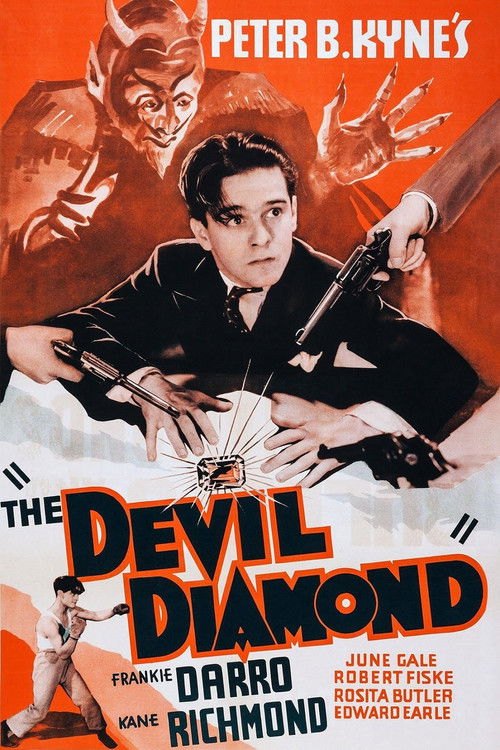
1937
1927
1916
No reviews yet. Be the first to share your thoughts on this movie!
Use the rating form above to leave a star rating and optional review.