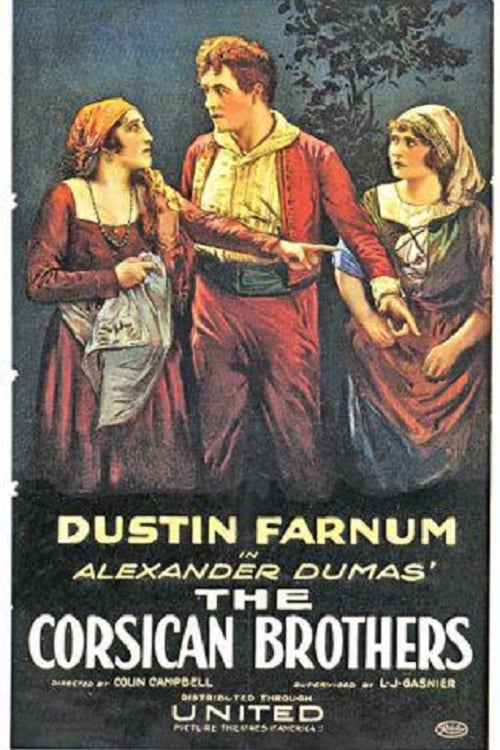
The Corsican Brothers
1920
No user ratings available yet
Representation score: 0.4 out of 10

Representation Score
Minimal
1919
PassedDirector
George Morgan
Average Rating
No ratings yetNew Showbiz Analysis
The Lurking Peril reflects the exclusionary and traditionalist standards of early 20th-century cinema. The film operates within conventional social hierarchies and Western-centric norms, lacking multi-layered complexity or diverse representation. The film offers minimal representation across various categories. It relies on standard Western casting and traditional social structures, providing limited visibility for underrepresented groups and failing to challenge established norms through diverse character's ability to drive the story or progressive themes.
Category Breakdown
The film does not include any characters with non-binary gender identities or same-sex relationships. It follows the traditional assumptions of 1919 cinema, where everyone is assumed to be straight and cisgender.
Women in the film are shown in traditional roles, such as being domestic. There is no indication that the film challenges gender hierarchies or portrays masculinity as flawed.
The cast appears to be predominantly white and Western, with no specific mention of diverse or racially inclusive casting.
The story upholds traditional Western values like patriotism and conventional morality. It does not explore anti-capitalist or secular themes, staying within the social norms of the time.
There are no characters with visible or invisible disabilities who have significant roles in the film. Disability is not explored in depth or through a nuanced lens.
Present on Screen
Limited or Absent
1920
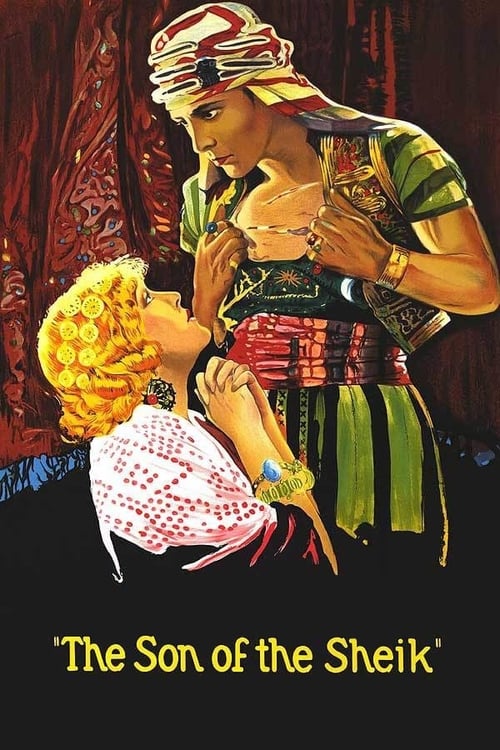
1926
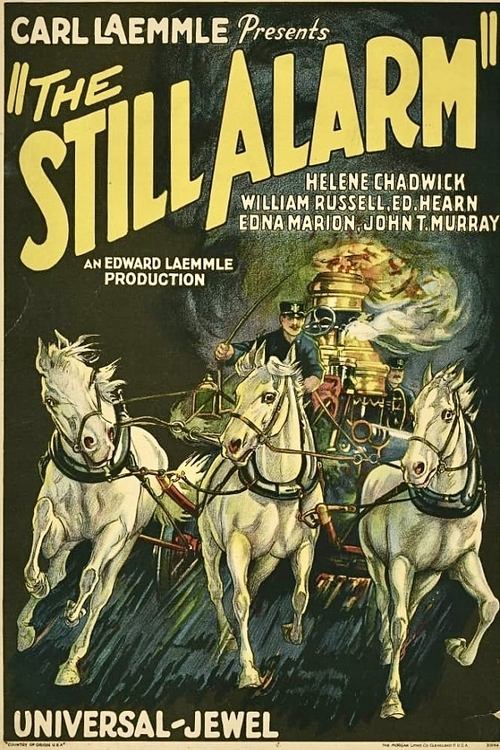
1926
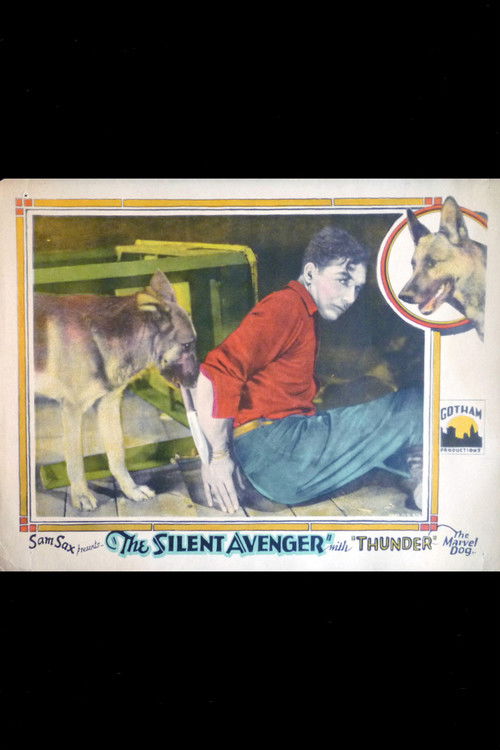
1927
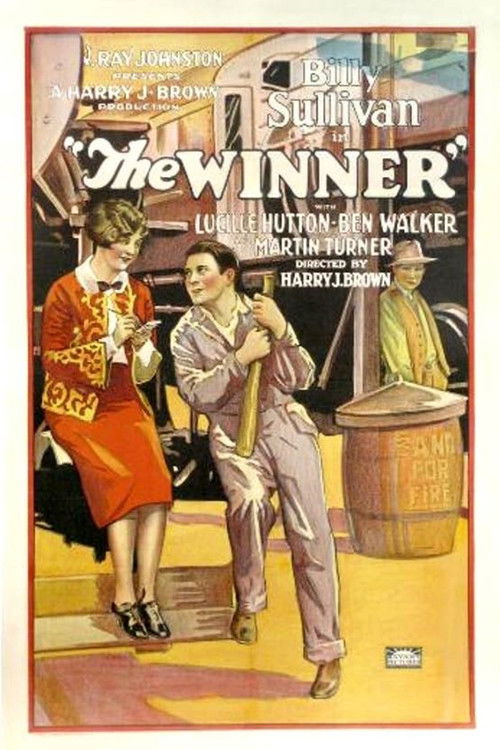
1926
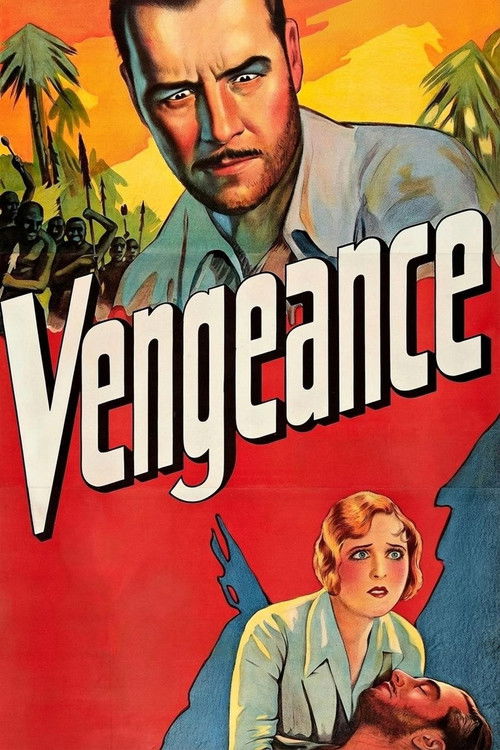
1930
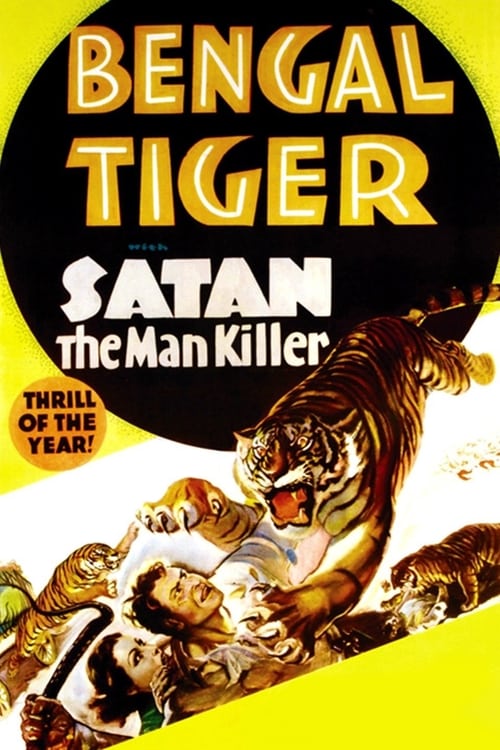
1936
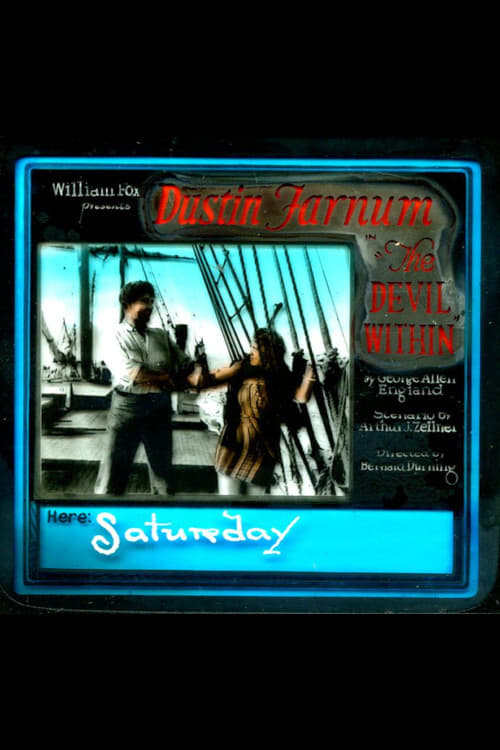
1921
No reviews yet. Be the first to share your thoughts on this movie!
Use the rating form above to leave a star rating and optional review.