Man of Might
1919
No user ratings available yet
Representation score: 1.3 out of 10
Representation Score
Minimal
1926
PassedDirector
William Nigh
Runtime
300 minutes
Average Rating
No ratings yetNew Showbiz Analysis
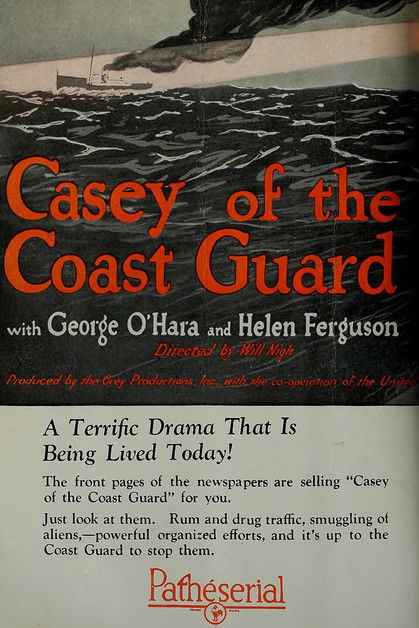
Casey of the Coast Guard is a typical 1920s action serial, emphasizing traditional heroism and physical prowess. The narrative structure follows established adventure clichés, lacking complexity in representing diverse identities. The film reflects the broader societal norms of the time, focusing on reinforcing institutional authority rather than challenging social hierarchies. This results in a narrow portrayal of identity.
Category Breakdown
The film does not include any non-straight or non-cisgender identities, which was common during the 1920s due to societal norms.
The story likely centers around masculine leadership and physical strength. Female characters do not play a significant role in driving the story or challenging traditional gender roles.
The film seems to follow the homogeneous casting practices typical of the 1920s. There is no indication of significant non-white characters or actors from diverse backgrounds.
The story probably upholds traditional Western values and patriotism. It supports the established social order through the glorification of institutional authority.
There is no information about characters with visible or invisible disabilities. During this period, disabilities were rarely shown with any depth and often used as minor plot devices.
Present on Screen
Limited or Absent
Official Synopsis
Film serial.
1919
1919
1926
1925
1927
1936
1935
1928
No reviews yet. Be the first to share your thoughts on this movie!
Use the rating form above to leave a star rating and optional review.