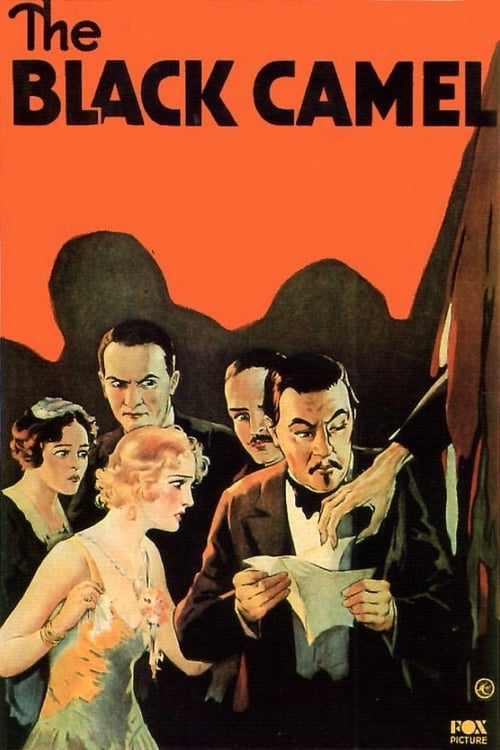
The Black Camel
1931
No user ratings available yet
Representation score: 1.5 out of 10
Representation Score
Limited
1926
PassedDirector
Spencer Gordon Bennet
Runtime
210 minutes
Average Rating
No ratings yetNew Showbiz Analysis
The film's diversity is marked by a contrast between its racial representation and its adherence to traditional social structures. The inclusion of Charlie Chan is a notable element, providing a rare instance of a character of color with significant intellectual ability to act in a 1920s adventure serial. However, the narrative remains deeply conventional in other areas. Gender roles are strictly defined, with women serving as emotional catalysts while men handle the investigation and action. The story also upholds standard Western themes of wealth and family order. Ultimately, while Charlie Chan's presence disrupts racial homogeneity, the film's reliance on era-specific gender dynamics and traditional cultural frameworks limits its overall progressive impact.
Category Breakdown
The film does not include any characters with LGBTQ+ identities or non-cisgender traits. The storyline focuses on family reconciliation and solving a murder mystery.
Minerva plays an important emotional role by trying to reconcile her brothers, but the main investigation and physical action are handled by male characters.
Charlie Chan, a Chinese detective, stands out as a significant departure from typical 1920s Anglo-Saxon casts. He serves as a key intellectual force in the story.
The story follows traditional Western narratives centered on property and family legacy. It does not critique Western institutions or social frameworks.
There are no characters with visible or invisible disabilities. Disability is not used as a narrative device in this serial.
Present on Screen
Limited or Absent
Official Synopsis
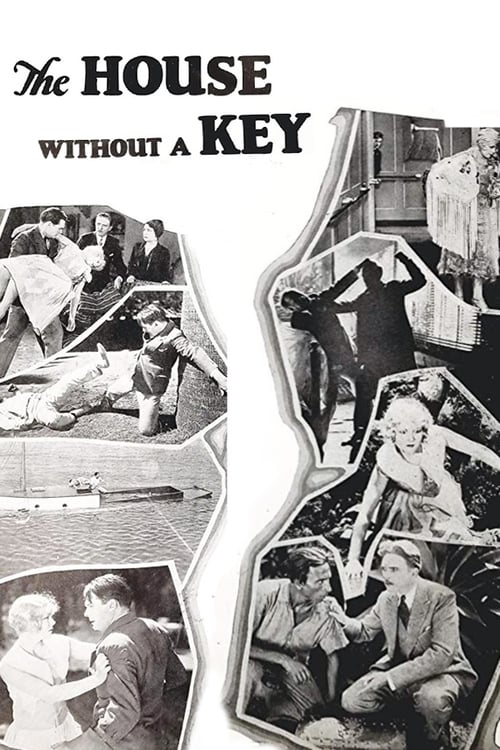
A Pathe serial in ten chapters of two-reels each: Dan Winterslip, a wealthy man in Honolulu, has not spoken to his brother, who owns a hotel next to Winterslip's estate, in over twenty years. Minerva, sister to the estranged brothers, comes from Boston to try to reconcile the two men. John Quincy Winterslip, Dan's nephew, receives a letter instructing him to retrieve a box from an attic in San Francisco and dump the contents into the ocean. He is on board a ship bound for Hawaii in which other passengers are also after the box. Dan Winterslip is murdered. Charlie Chan, a Chinese detective, offers to help solve the killing and the mysteries surround the box. Chan is looking for the person whose wristwatch is missing the number 'three.'
1931
1946
1939
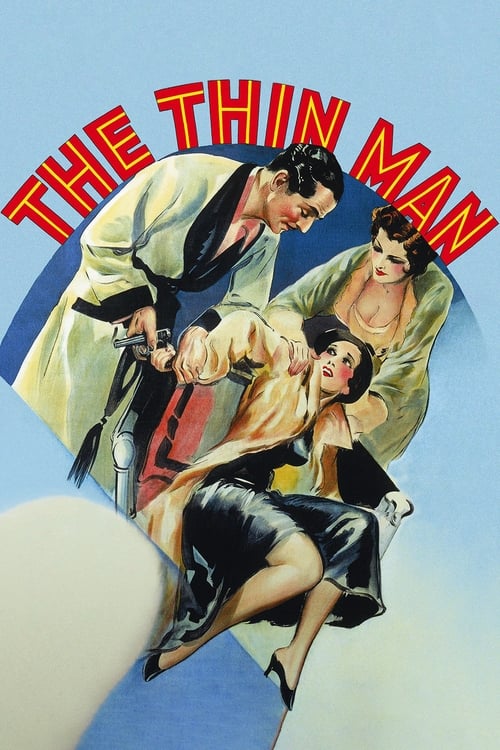
1934
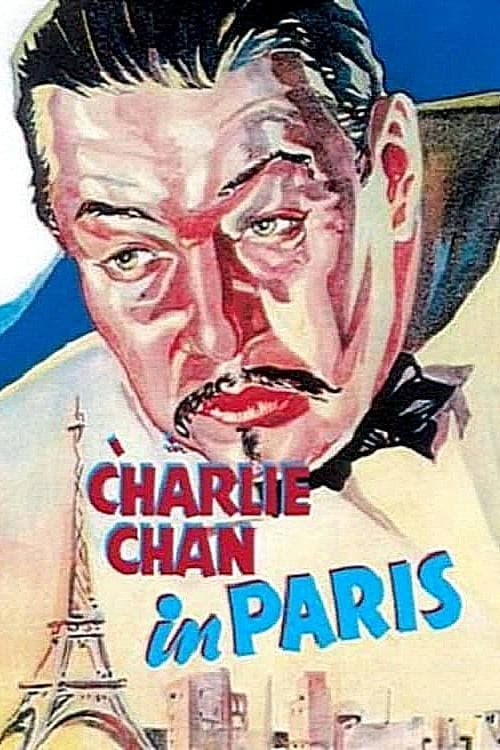
1935
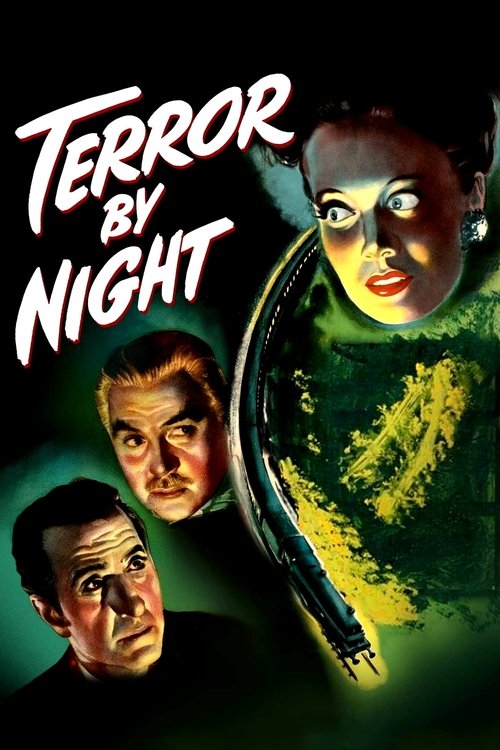
1946
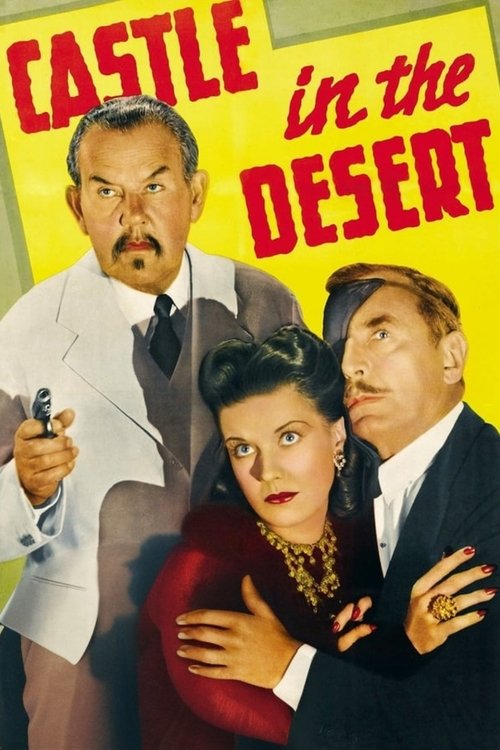
1942

1940
No reviews yet. Be the first to share your thoughts on this movie!
Use the rating form above to leave a star rating and optional review.