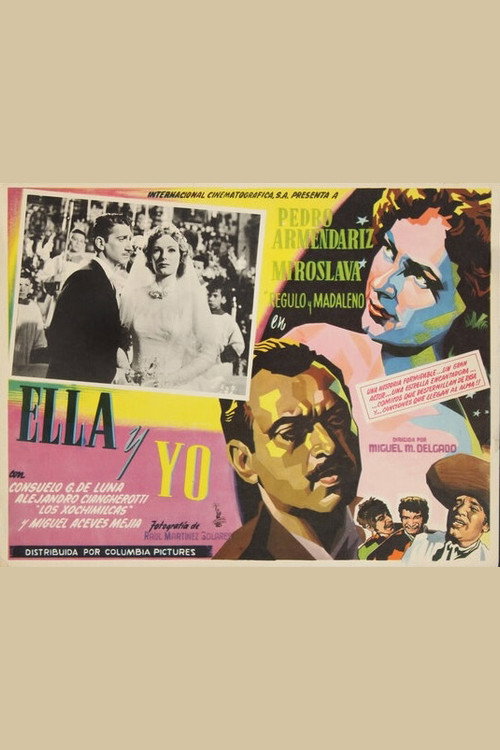
Ella y yo
1951
No user ratings available yet
Diversity score: 3.8 out of 10
1955
Director
Miguel M. Delgado
Runtime
93 minutes
Average Rating
No ratings yetSynopsis
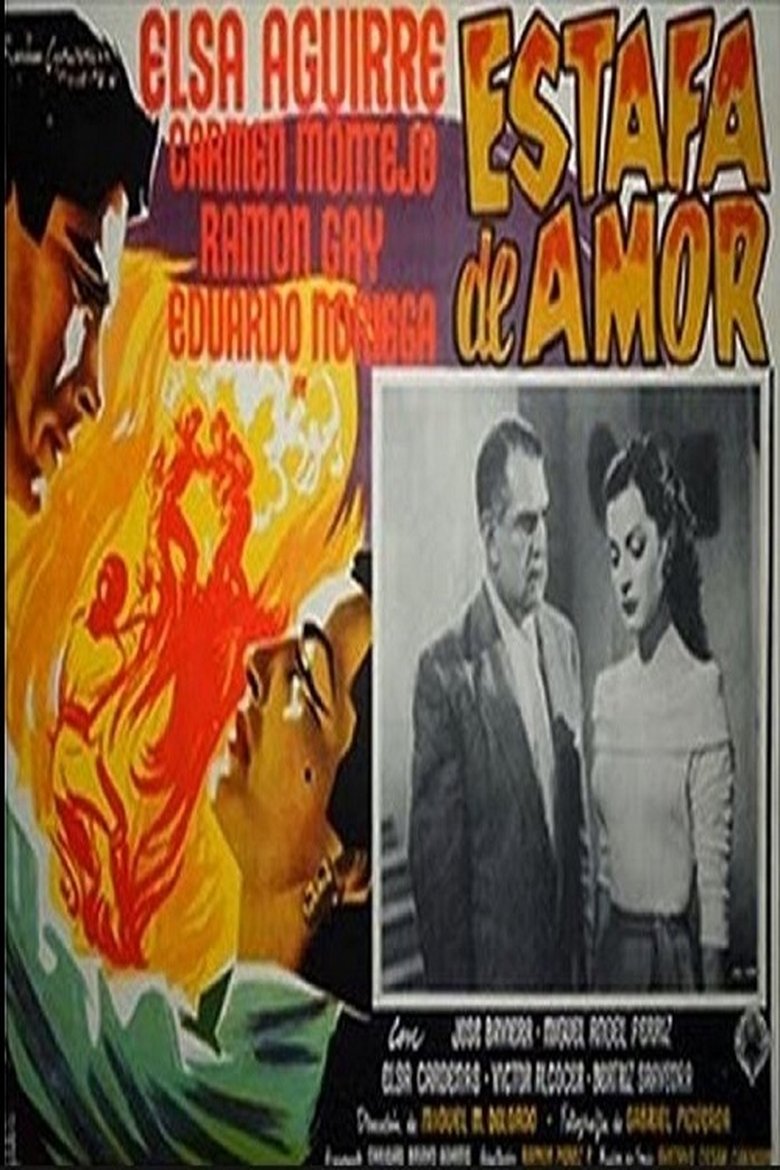
Bad woman plays three men off each other while enjoying the attentions of all three; a great many lives are disrupted as a result of her wickedness.
Overall Score
Limited
Category Breakdown
LGBTQ+ Representation
The film lacks any evidence of non-heteronormative identities or same-sex intimacy. The plot focuses on a woman manipulating three men, centering the story on traditional heterosexual romantic dynamics.
Gender Representation
The female protagonist exercises significant agency through manipulation, yet this is framed as moral wickedness. Her autonomy is presented as a disruption to social order rather than empowerment.
Racial & Ethnic Diversity
The film likely reflects the ethnically homogeneous casting typical of the 1955 Mexican film industry. It mirrors the demographic norms of its era without evidence of intersectional casting.
Religious & Cultural Diversity
The narrative functions as a cautionary tale emphasizing traditional morality and social stability. It prioritizes individual integrity over any anti-institutional or secularist themes.
Disability Representation
There is no mention of characters navigating physical, sensory, or neurodivergent experiences within the narrative.
Strengths
Areas for Improvement
AI Analysis
Estafa de amor is a mid-century melodrama that adheres to conservative storytelling models. While the female lead drives the plot through her deceptions, the film uses her agency to reinforce traditional moral hierarchies rather than challenge them. The narrative structure relies on a clear dichotomy between virtue and wickedness. By framing the protagonist's actions as a disruption of social stability, the film serves as a moralistic critique of individual behavior rather than a systemic exploration. Overall, the film is a product of its time, reflecting the homogeneous social and cultural norms of the Golden Age of Mexican cinema.
1951
1975
1917

1972
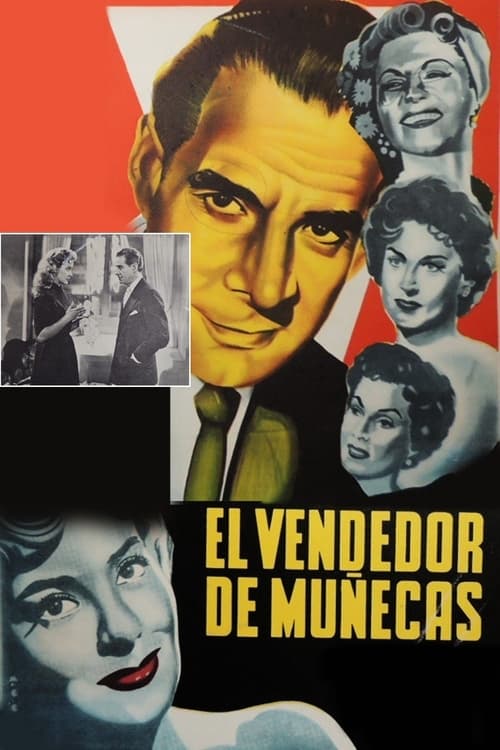
1955
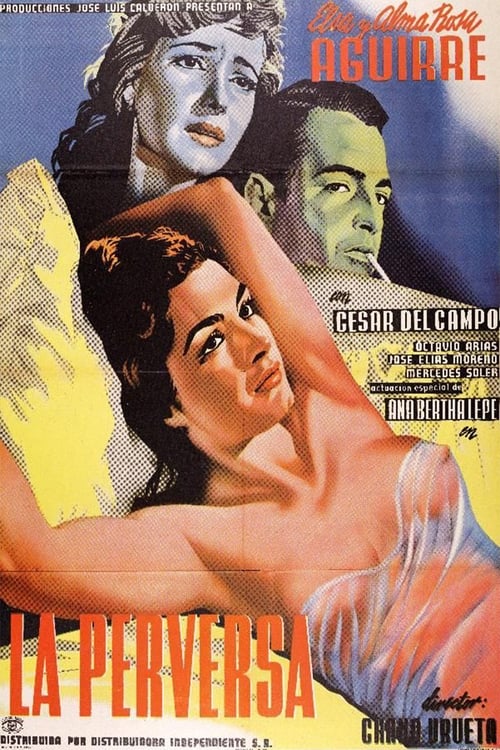
1954
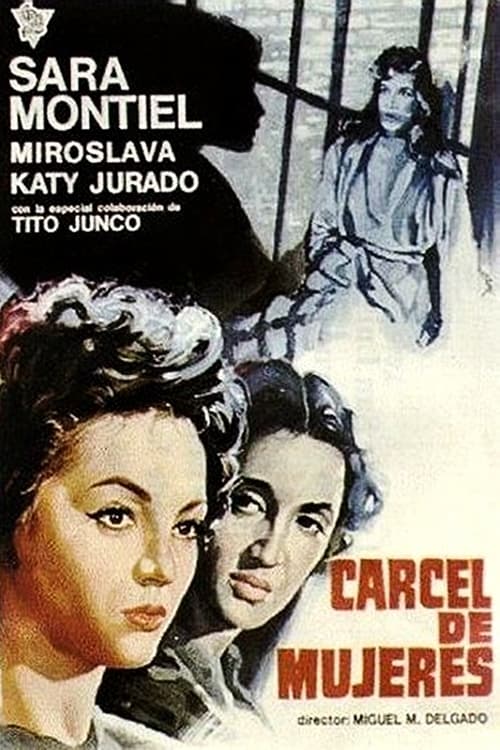
1951
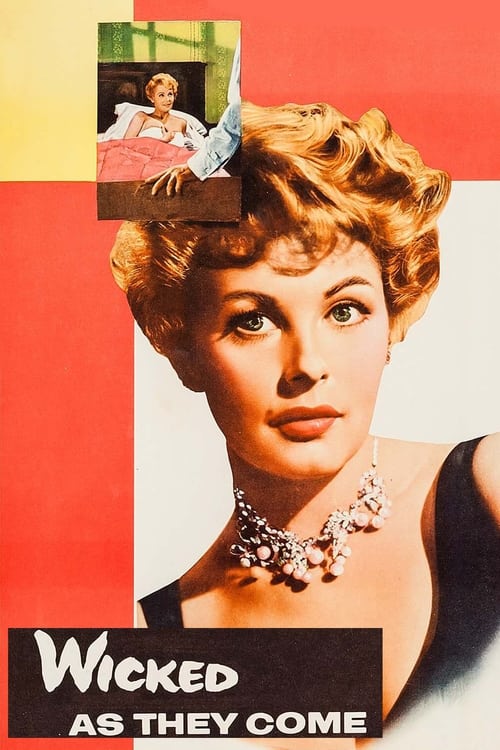
1956
1949
1938
1931
1945
No reviews yet. Be the first to share your thoughts on this movie!
Use the rating form above to leave a star rating and optional review.