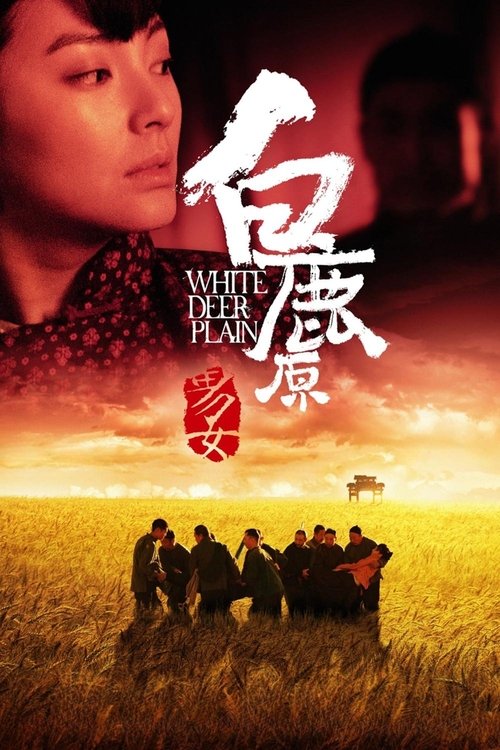
White Deer Plain
2012
No user ratings available yet
Representation score: 2.0 out of 10

Representation Score
Limited
1968
Director
Voldemārs Pūce
Runtime
97 minutes
Average Rating
No ratings yetNew Showbiz Analysis
The film operates as a traditional period drama, relying heavily on established historical clichés. Its narrative structure prioritizes land disputes and romantic competition over social subversion or diverse identity representation. While the film engages with the systemic shift of land ownership, it remains focused on individualistic struggles. This approach limits its ability to critique broader class or institutional structures effectively. Ultimately, the work reinforces conventional social hierarchies. It lacks significant representation of underrepresented identities, focusing instead on a localized, homogeneous historical realism.
Category Breakdown
The film does not depict any non-straight relationships or same-sex intimacy. The plot revolves around a romantic rivalry between men competing for a woman, adhering to traditional assumptions about heterosexual relationships.
Gender roles follow conventional hierarchies where male characters drive the central conflict. The female character is primarily an object of desire or a prize within the male rivalry.
The setting reflects the demographic homogeneity of rural parishes in 1968 Latvia. There is no evidence of diverse ethnic representation beyond the local historical context.
The narrative explores the disruption of feudal power through land redistribution. It focuses on the transition of ownership and the dissolution of old manor systems.
There is no evidence of characters with visible or invisible disabilities. The film adheres to the ableist standards typical of mid-century historical dramas.
Present on Screen
Limited or Absent
Official Synopsis
Land surveyors arrive in two parishes to measure and redistribute manor land. The rivalry between both feoffees for land and woman begins.
2012

1967
1920
1982

1961

1939
2019
1959
No reviews yet. Be the first to share your thoughts on this movie!
Use the rating form above to leave a star rating and optional review.