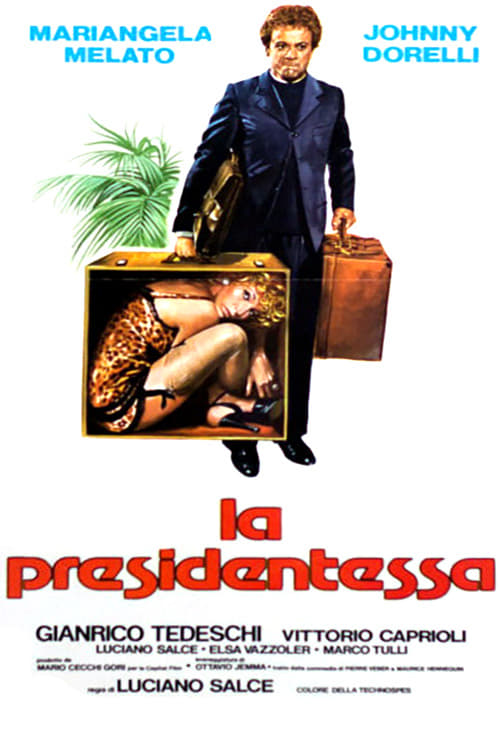
La Presidentessa
1977
No user ratings available yet
Representation score: 3.9 out of 10
Representation Score
Fair
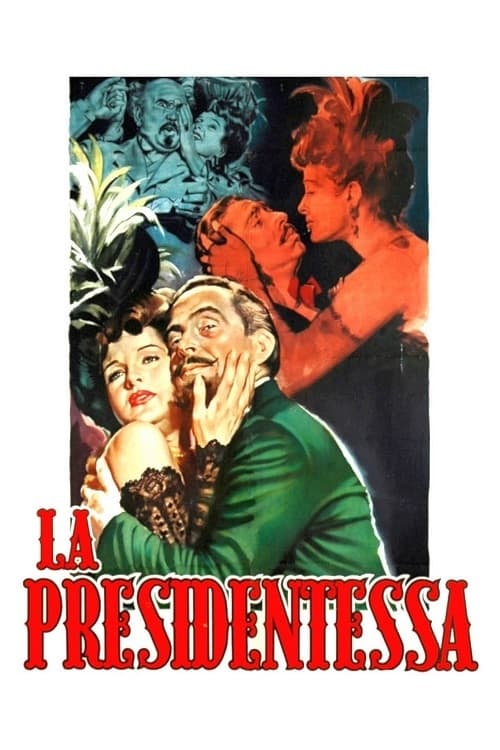
1952
Director
Pietro Germi
Runtime
84 minutes
Average Rating
No ratings yetNew Showbiz Analysis
Mademoiselle Gobete functions as a comedic subversion of provincial moralism. Its strength lies in its gender dynamics, where a female performer dismantles patriarchal authority through personal autonomy and calculated revenge. However, the film remains limited by the demographic norms of its time. It lacks meaningful representation of LGBTQ+ identities or racial diversity, focusing instead on class and moral standing. Ultimately, the film uses a comedic framework to expose the hypocrisy of the legal establishment through the lens of individual empowerment.
Category Breakdown
The film does not explicitly depict non-straight relationships or same-sex intimacy. The plot focuses on a romantic relationship between a judge and a minister.
The female protagonist uses her power to challenge male authority figures. She overturns traditional hierarchies by manipulating high-ranking officials.
The production reflects the demographic norms of 1952 Europe. There is no indication of a non-white majority cast or diverse racial backgrounds.
The story criticizes the hypocrisy of strict judicial and religious systems. It contrasts the restrictive life in a small town with the more open, secular environment of Paris.
There are no visible or invisible disabilities shown in the narrative. No characters are identified as having neurodivergent or physical disabilities.
Present on Screen
Limited or Absent
Official Synopsis
A singer and operetta dancer works in a small french town where the authorities want to expel her because of her scandalous conduct and performance. When a puritan judge closes the show, the woman will take revenge involving the judge in an affair before the selfsame Justice minister. From that moment on, a series of diversions and misunderstandings will play out leading the main characters to the city of Paris.
1977
1955
1950

1932

1950

1963

1957
1961
No reviews yet. Be the first to share your thoughts on this movie!
Use the rating form above to leave a star rating and optional review.