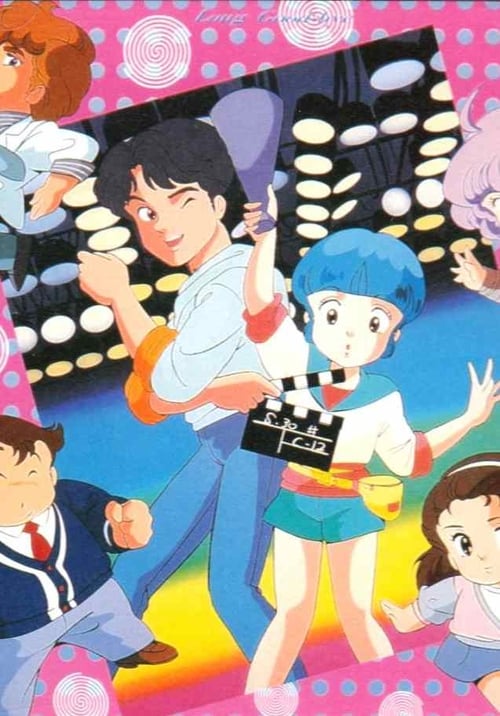
Creamy Mami: Long Good-Bye
1985
No user ratings available yet
Diversity score: 4.6 out of 10
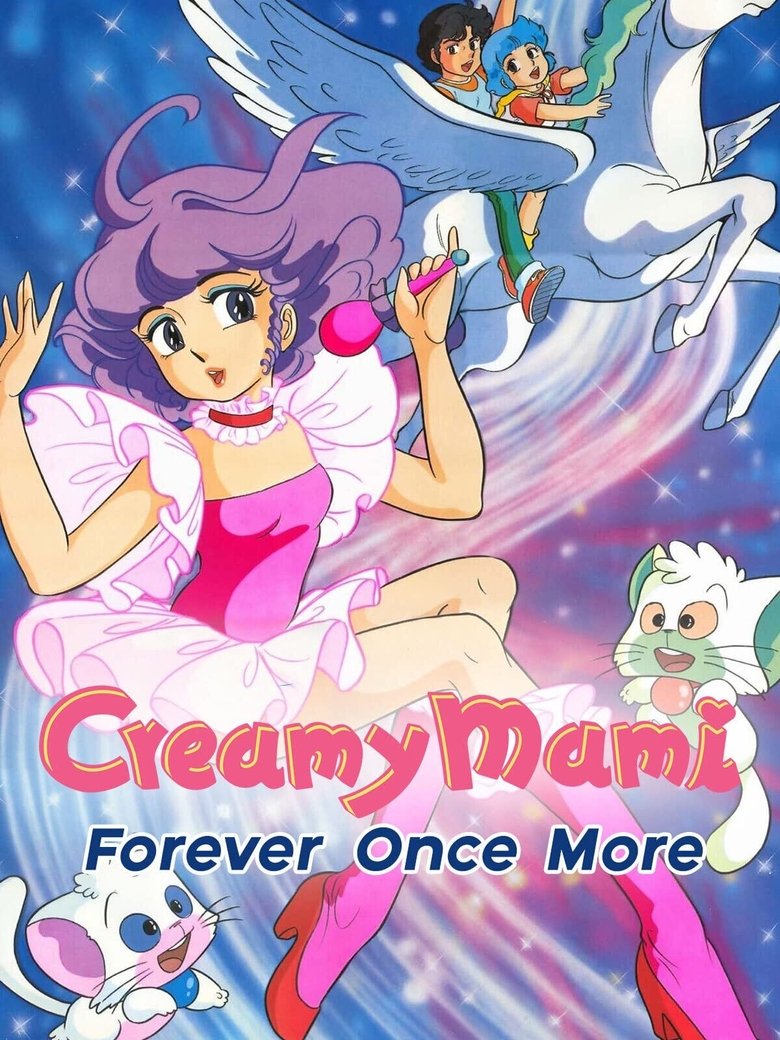
1984
Director
Osamu Kobayashi
Runtime
87 minutes
Average Rating
No ratings yetSynopsis
The Space Kittens Pozi and Nega gave little Yu a magic baton and for a year she possessed the power to transform into grown up idol singer Creamy Mami and use her magic for good. Sometimes her powers caused more problems than they solved, and though everything worked out well she finally returned the baton. Ever since, Mami has been absent from the music scene, but suddenly her return is announced in a blaze of publicity. Yu and her friends uncover a campaign by bad boy Shingo to deceive the singer's many fans.
Overall Score
Fair
Category Breakdown
LGBTQ+ Representation
The film focuses on the protagonist's transformation and the idol-fan dynamic. There is no explicit evidence of non-cisnormative identities or same-sex intimacy within the story.
Gender Representation
The narrative centers on a young female protagonist who wields significant agency through magical transformation. It subverts passive tropes by prioritizing female intellect and performance.
Racial & Ethnic Diversity
The cast and setting reflect a relatively homogeneous Japanese cultural landscape. While not actively promoting diverse ethnic casting, it avoids whitewashing or Western-centric norms.
Religious & Cultural Diversity
The plot critiques the mechanics of the music industry and deceptive publicity. However, it maintains a traditional moral framework rather than an overtly anti-capitalist stance.
Disability Representation
There are no prominent depictions of visible or invisible disabilities within the provided narrative context.
Strengths
Areas for Improvement
AI Analysis
Creamy Mami: Forever Once More is a character-driven exploration of female empowerment and the complexities of the idol industry. The film succeeds in subverting traditional gender hierarchies by granting its young female lead significant social and professional agency through her magical metamorphosis. However, the work remains a product of its 1980s era, characterized by a homogeneous cultural landscape and a lack of intersectional complexity. While it deconstructs the 'idol' persona, it does not venture into diverse identities or non-cisnormative representations. Ultimately, the film serves as a meaningful study of agency and transformation, even if it stays within the conventional demographic bounds of its time.
1985
1998
1996
1989
2006

2013

2002

2021

2019
1995

2011
1986
No reviews yet. Be the first to share your thoughts on this movie!
Use the rating form above to leave a star rating and optional review.